X Close

Open@UCL Blog

Home

Menu

OAI14 at UCL – Satellite event

By Kirsty, on 11 December 2025

The Geneva Workshop on Innovations in Scholarly Communication, otherwise known as OAI, was back this year for its 14th iteration. The main conference took place online on 10-14 November 2025. Running since 2001, the OAI conference is a fantastic showcase of new topics and deep dives into what is happening around the world in different areas of scholarly communication. In connection with the shift of the conference to an online format, the past two conferences have included the option to be a part of the programme by hosting satellite events. 

Therefore, on Thursday 27 November, the UCL Office for Open Science & Scholarship hosted a small satellite event focused on the theme of Research Infrastructure, taken from day 2 of the OAI14 programme.  

The session started by watching the recording of the conference keynote from day 2, Building a Resilient Open Science Ecosystem in Africa: The UbuntuNet Alliance Model, presented by Revelation Nyirongo. The talk discussed the regional research and education network that has been developed to serve Eastern and Southern Africa. The significant development of this open science ecosystem is a great example of how collaboration can better support scholarly communication. This approach seems to be a brilliant way to address the unique challenges facing African researchers and institutions, and it was especially notable to the group in the room that the focus was on people as much as tools. Revelation spoke at length of the importance to the project of the ‘human capital’ and how training and supporting users of tools was as important as creating the ecosystem itself. The final thoughts from the session particularly resonated with the people in the room – the fact that the research and education community decided not to wait for someone else to do the work, not to ask for permission, just to act and create what was needed for their communities.  

Although the group of attendees was small, the diversity of the group meant that the talk prompted a wide-ranging discussion, about the project described, whether similar interconnected infrastructures would work between institutions in the UK, and even some speculation about the European Open Science Cloud, and the current AHRC project investigating the possibilities of implementing a UK repository for practice-research 

After time for discussion between the participants, and a break for snacks, the programme moved on to our UK speakers. First up we heard from Hugh Shanahan, Professor of Open Science at Royal Holloway on the topic of libraries as research infrastructures, as well as being treated to a fascinating glimpse into some current research around vulnerabilities in infrastructures associated with preprint services around the world. As this data is going to be shared in an upcoming paper from Hugh and his team, we will endeavour not to spoil the surprise and update this article with the details later!  

A member of UCL staff, a woman with long blonde hair wearing a black polo shirt, is looking at a computer screen with concentration and typing something on the keyboard against the backdrop of a corridor of data servers. In the corridor, another member of UCL staff also wearing a black polo shirt is facing away from the camera, as though he is walking down the corridor.

Image by Alejandro Salinas Lopez on UCL imagestore

It was interesting that despite no prior knowledge of the keynote chosen for the event, Hugh started by describing once again, that people should be core in our thinking. Making the important point that we shouldn’t first think of research infrastructures as machines and systems and labs, but of the people that are core to all of them. People keep services running, they develop systems, they train users, without human infrastructure there is no physical infrastructure.  

Our next speaker was Dr Louise Saul, Enterprise Fellow and Network+ Coordinator for CaSDaR (Careers and Skills for Data Driven Research) at the University of Southampton. Despite now representing CaSDaR, Louise joined us to talk about her previous work coordinating community engagement for PSDI (Physical Sciences Data Infrastructure) 

The PSDI project aimed to develop an integrated data infrastructure for the physical sciences in response. The work responded to a statement of needs by users which covered issues such as access to reusable structured data sets, proprietary formats that lacking interoperability, rising costs, and competing standards, among others. The needs statement also included the human element, research groups that felt very tied to specific standards and finding it difficult to make change happen, as well as lack of data management knowledge and skills in a broader sense. This ambitious project used a principles-led approach to develop services and tools for the community. The bulk of Louise’s talk however concentrated on a different issue, that of limitations to open access.  

Although all of the tools created by PSDI are shared as openly as possible, there are a number which are Members-Only open access and the reasoning behind these are interesting. Some are to do with licenses applied to pieces of code written by people external to the project, or needing a login for access to specific external tools, but the other considerations were more interesting, the considerations of evidence. By creating an access layer for members, it allows members of the project to understand who is using their tools, what their areas of research are, and what they are being used for; all valuable information for their future funding, development and growth.  

Four people are sitting down, three in the forefront and one in the background who appears to be speaking to someone outside the frame. Two women in the centre of the image appear to be in conversation, one is looking towards the camera and the other is looking at the other woman. On the right-hand side of the image is a man looking down at something in his hand, either a piece of paper or it could be his phone.

Image by Alejandro Walter Salinas Lopez on UCL imagestore

This raised an important point for discussion and one that applies to numerous types of research output, the concept of ‘as open as possible.’ The group closed out the session with an interesting discussion of the different applications of that phrase, and the fact that closing data or code, or any other type of material doesn’t necessarily just have to be for anonymity or licensing reasons. Sometimes there can be a range of other beneficial uses for data gathered from requiring people to login or register to use a tool, or even commercialising research while making elements openly available, something that was covered elsewhere in the OAI programme.  

Overall, the event was a brilliant series of talks and discussions between a small but close-knit group of experts from local institutions. It was not only a really enjoyable afternoon, but also a great opportunity for members of the community to come together to discuss issues freely with no agenda. We might even do something similar again next year to continue these conversations. Watch this space!  


alt=""

The UCL Office for Open Science and Scholarship invites you to contribute to the open science and scholarship movement. Stay connected for updates, events, and opportunities.

Follow us on Bluesky, LinkedIn, and join our mailing list to be part of the conversation!

Share this post on Bluesky

Open Science & Scholarship Festival 2025: next steps, links and recordings!

By Kirsty, on 25 June 2025

It has been a couple of weeks since our debut collaboration with our friends at LSE and the Francis Crick Institute and I can safely say that the festival was a roaring success. We all would like to extend a huge thank you to everyone that came to any of the events, in person or online, it was great to see so many people engaging with Open Science!

In case you missed it, the festival ran from 2 – 6 June and included an exciting array of sessions including creative workshops, informal networking, case studies, online and in person panel discussions and technology demonstrations. The full programme is still available online, or keep scrolling for links, recordings and upcoming content!

montage of institution logos

Monday 2 June

Open Methods with Protocols.io

This workshop introduced the benefits of publishing your methods and protocols as a separate open access output. As an in person event, there is no available recording, but you can access Protocols.io and their excellent free help and support guidance online.

Creativity in research and engagement

This session of making, sharing and storytelling has its own blog post – read it now!

Tuesday 3 June

Co-producing research with Special Collections: Prejudice and Power case study

UCL Special Collections presented their experiences of using co-creation to engage with rare book and archive collections especially as applied to the recent Prejudice in Power project, that consisted of a range of co-creation, community and academic initiatives that focussed on our holdings to respond to the university’s historic role in promoting eugenics. It also briefly discussed wider co-creation activity in UCL Special Collections, the lessons learned and how these are being embedded in practice.

Resources:

Scaling up Diamond Open Access Journals

Diamond open access (OA) is championed as a more open, equitable and inclusive, community-driven journal publishing model, especially when compared against other commercially owned, author pay and subscription models. Demand is rapidly growing but there is a lack of capacity and funding for journals to sustainably meet it. There are many barriers to solving these complex challenges, but one new initiative called the Open Journals Collective aims to disrupt the current landscape by offering a more equitable, sustainable and alternative solution to the traditional and established payment structures.

During this interactive session we heard from the conveners of the collective to learn about why and how it came about, what it offers and why it is needed. We also heard about the experiences with various OA journal models, as well as perspectives from a journal Editor who resigned from a subscription journal and successfully launched a new and competing diamond open access journal.

Access the recording below or on the UCL Press website.

Professionalising data, software, and infrastructure support to transform open science

This workshop focused on the needs of both researchers and technical support, seeking to understand the answers to some fundamental questions: If you are a researcher – what do you need in terms of technical support and services? If you are a research technology professional – what skill and training do you need to be able to offer this support?

The team in ARC behind this fascinating session have shared a write-up about it which you can read on their blog page.

Wednesday 4 June:

Should reproducibility be the aim for open qualitative research? Researchers’ perspectives

Reproducibility is often touted among quantitative researchers as a necessary step to make studies rigorous. To determine reproducibility, whether the same analyses of the same data produce the same results, the raw data and code must be accessible to other researchers. Qualitative researchers have also begun to consider making their data open. However, for researchers in fields where cultural knowledge plays a key role in the analysis of qualitative data, openness of such data may invite misrepresentation by re-use of the data by researchers unfamiliar with the cultural and social context in which it was produced.

This event asked whether reproducibility should be the aim for open qualitative data, and if not, why should researchers make their qualitative data open and what are the other methods used to establish rigour and integrity in research?

Access the recording below or on the LSE Library YouTube Channel.

How open is possible, how closed is necessary? Navigating data sharing whilst working with personal data

In the interests of transparency and research integrity, researchers are encouraged to open up more of their research process, including sharing data. However, for researchers working with personal data, including interview and medical data, there are important considerations for sharing. This event brought together researchers from a range of disciplines to share their experiences and strategies for open research when working with personal data.

Access the recording below or on the LSE Library YouTube Channel.

Thursday 5 June: Open Research in the Age of Populism

Political shifts around the world, from the Trump administration in the US to Orban’s government in Hungary, are making it more important than ever to have reliable research freely available. However, these governments are also making it more risky to openly share the results of research in many countries and disciplines. Alongside the political censorship of research in some countries there are also changes to research funding, research being misrepresented and used to spread misinformation online, and concerns about the stability of open research infrastructure which is funded by the state. In this session the panellists considered the value of open knowledge, the responsibilities of individual researchers and institutions to be open and how you can protect yourself when making your research openly available.

Access the recording below or on the LSE Library YouTube Channel.

Friday 6 June

Authorship in the era of AI

With the rapid growth of AI tools over the past three years, there has been a corresponding rise in the number of academics and students using them in their own writing. While it is generally agreed that we still expect people to be the “authors” of their work, deciding how to interpret that is often a nuanced and subjective decision by the writer. This in-depth panel discussed how we think about “authorship” for AI-assisted writing.

This session was so in-depth that the panel and the chair have worked together to create a summary of the discussion, complete with the resources and themes shared, which you can read on a separate blog post.

Coming Soon: Open Access Week 2024!

By Rafael, on 24 September 2024

We’re excited to announce a packed programme of events for this year’s #OAWeek at UCL! Throughout the week, we’ll be sharing daily blog posts and updates on social media that highlight the latest activities from UCL Press and the UCL Copyright team, alongside exciting news on our growing Citizen Science Community on MS Teams. This year’s theme, ‘Community over Commercialisation’, will be at the heart of our discussions, exploring how we can prioritise openness and collaboration in research to benefit the public and academic communities rather than profit-driven initiatives.

Promotional banner for International Open Access Week 2024 with the theme 'Community over Commercialization,' presented in various languages to highlight inclusivity. The illustration shows two people shaking hands, suggesting collaboration and commitment. The dates 21-27 October 2024 and the hashtag #OAWeek are included, encouraging participation and engagement on social media.

Poster of the International Open Access Week 2024

Read more about Open Access week and this year’s theme.

Tuesday 22 October (11:00am-2:00 pm) – Open Science and ARC Roadshow

As part of this year’s Open Access Week activities, we’re launching the first in a series of pilot roadshows, jointly organised by the UCL Office for Open Science & Scholarship and the Centre for Advanced Research Computing.

Come and find us outside the Academic Staff Common Room in the North Cloisters between 11:00 am and 2:00 pm, where our team will be on hand to answer all your questions about Open Access publishing, Research Data Management, Research IT, Data Stewardship, Citizen Science, and any other Open Science-related topics you’re curious about! Stop by to find out more—we might even have some goodies waiting for you!

No registration needed – find the event location on the webpage.

Tuesday 22 October (2:30-4:00 pm) – Copyright, Open Science & Creativity

One event we’re particularly excited about is happening on Tuesday, 22 October (2:30–4:00 pm). We’ll be hosting a brand-new card game designed by Christine Daouti, titled ‘Copyright, Open Science, and Creativity’. This engaging game provides a fun and interactive way to explore key topics like equity in open science, authors’ rights, and open access publishing. You’ll have the opportunity to debate various aspects of copyright with fellow participants and explore issues such as open licences, AI in research, rights retention, and the challenges of equity in open science.

Spaces are limited, so be sure to sign up early! For more details and registration information, visit the event page.

Wednesday 23 October (2:00–3:30 pm) – Annual Open Science & Scholarship Awards

We’re also really glad to invite you to our second Annual Open Science & Scholarship Awards! Join us in celebrating the incredible contributions of colleagues and students to the future of open research and scholarship. The event will feature short talks from the winners in each category, followed by the award presentations. Afterwards, stay for drinks, nibbles, and a chance to network with peers.

Register today via our Eventbrite page!

Thursday 24 October, 2.30 pm – 4 pm, drop-in session on Copyright, Licences and Open Science

Join the UCL Copyright team for an online drop-in session where they’ll be available to answer your questions about copyright, licensing, and how to share your research openly. This is a great opportunity to clarify any issues related to your research, thesis, publications, or data. Feel free to drop in on Teams between 2:30 and 3:50 pm or send your questions in advance to copyright@ucl.ac.uk.

To get you started, here are a few questions you might want to consider:

  • Why do research funders prefer CC BY licences for journal articles and monographs?
  • What copyright considerations should you keep in mind when making your data open and FAIR?
  • Can you use someone else’s copyrighted materials in your own thesis or publication that you plan to make open access?

This session offers a chance to resolve these and other copyright and licensing concerns so you can better understand the open research landscape.

Visit the event page for more information and sign up now!

Stay connected!

While we prepare for the events coming up, make sure you stay informed about new articles, events, and projects by signing up for your mailing list to receive the next issue of our Open@UCL newsletter. Also, join in the conversation during #OAWeek by checking this blog page for daily updates, and following us on LinkedIn or our newly created BlueSky account.

See you there!


Understanding Research Metrics: UCL’s New LibGuide

By Rafael, on 29 May 2024

Guest post by Andrew Gray, UCL Bibliometrics Support Officer

The UCL Research Support team has recently launched a comprehensive new LibGuide on Research Metrics. This resource covers a range of topics, from how to use and understand bibliometrics (citation metrics and altmetrics) to guidance on specific tools and advice on handling publications data. Learn more about this guide to enhance your research impact and better understand the world of research metrics!

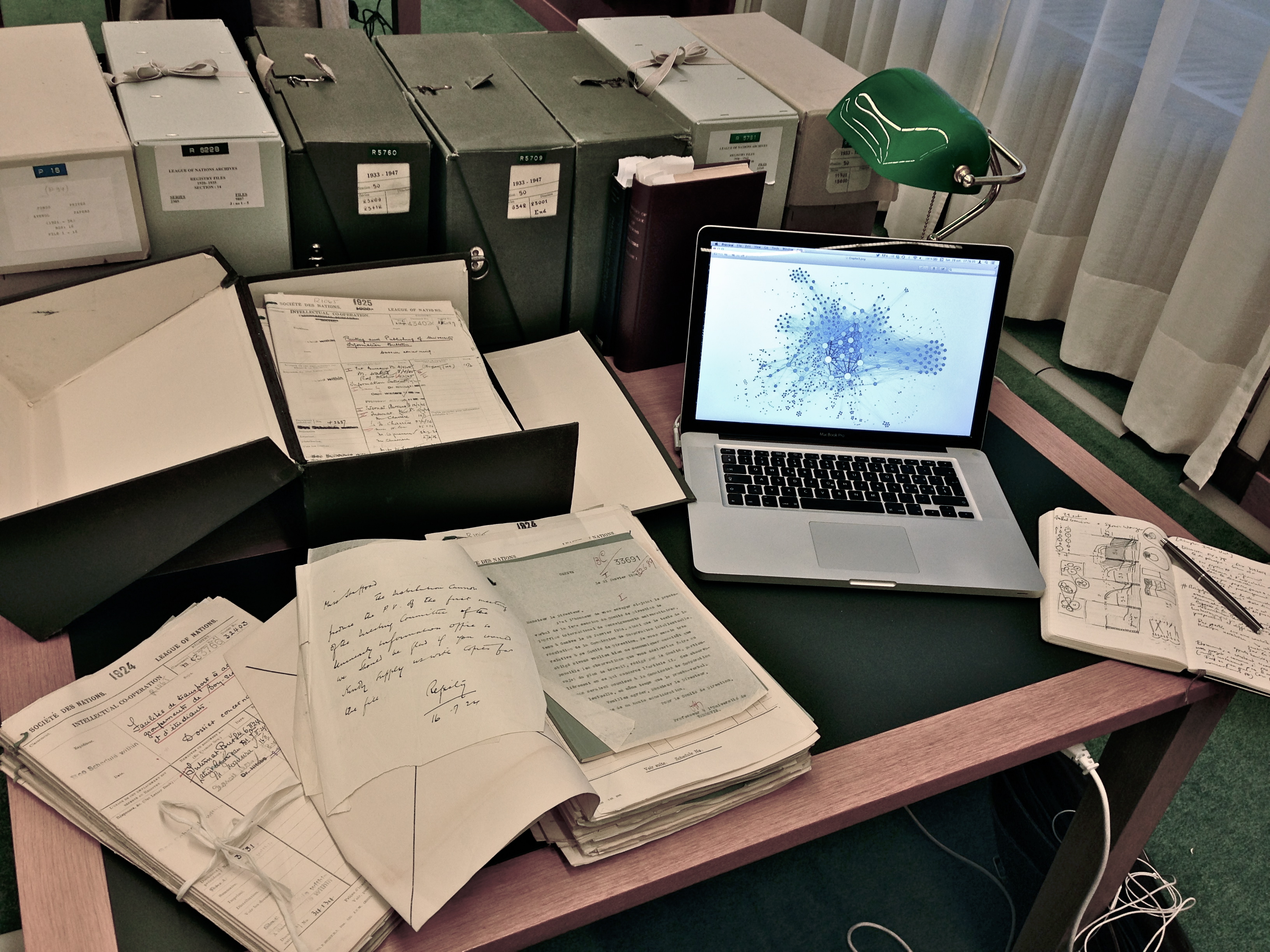
Illustrative image: A desk with various open files, an open laptop, and a notebook. The open files on the desk contain several papers with notes. On the laptop screen, a data report visualization is displayed.

Image by Calvinius (own work), CC BY-SA 3.0

Bibliometrics

The core of the new guide is focusing on guidance for using and understanding research metrics, such as bibliometrics, citation metrics, and altmetrics. It explains how to access citation counts through Scopus and Web of Science, and more complex normalised metrics through InCites. It also gives guidance on how to best interpret and understand those metrics, and advice on metrics to avoid using. The guide also covers the UCL Bibliometrics Policy, which governs the use of bibliometric data for internal assessments at UCL, and sets some limits on what should be used.

Guidance for Tools

Within the LibGuide, you will also find guidance pages for how to use specialised services like InCites, Altmetric, and Overton to measure research impact. Additionally, the guide offers advice on using other tools that UCL does not subscribe to but may be beneficial for research support. This includes three freely available large bibliographic databases—Lens, Dimensions, and OpenAlex—which provide broader coverage than Web of Science and Scopus. It also outlines how to use a range of tools for citation-network based searching like Research Rabbit, Connected Papers, and Litmaps, as well as modern AI-supported search and summarising tools such as Scite, Keenious, and Consensus.

These are of course not the only tools available – especially with AI-supported tools, there are frequently tools being released – but these are ones we have been asked to investigate by students and researchers. If you would like feedback on another tool you are considering using, please get in touch.

Publications data

The LibGuide also addresses broader questions about using publications data. It outlines how to download publication and metrics datasets from Web of Science, Scopus, InCites, and Altmetric, and gives some guidance on how to link datasets from different sources together. Learn more about using publications data.

Additionally, the guide also explains how best to interpret data drawn from UCL-specific sources such as RPS, data ensuring you can make the most of the data available to you.

This new LibGuide is an important resource for anyone looking to expand their understanding of research metrics and manage their publications data. Visit the guide today to explore these tools and resources in detail.

Further support

We offer regular online or in-person training sessions as part of the Library Skills program. Please see the Library Skills calendar for dates and bookings. There are also three self-paced online sessions available through the Library Skills Moodle.

For any enquiries about bibliometrics, please contact us on bibliometrics@ucl.ac.uk 

Get involved!

alt=""The UCL Office for Open Science and Scholarship invites you to contribute to the open science and scholarship movement. Stay connected for updates, events, and opportunities. Follow us on X, formerly Twitter, LinkedIn, and join our mailing list to be part of the conversation!


Shaping the Future: OOSS Initiatives and Goals for 2024

By Rafael, on 26 January 2024

Following our blog post last week, where we reflected on the achievements of 2023, this week we wanted to look forward and share our plans for 2024. From championing open research practices to fostering inclusivity, transparency, and collaboration, the UCL Office for Open Science Scholarship (OOSS) teams are gearing up for an exciting new year!

OOSS 2024 Initiatives:Image by KamranAydinov on Freepik. Top view of hand holding a pen on spiral notebook with new year writing and drawings decoration accessories on black background.

Annual Conference: Anticipate the return of the UCL Open Science Conference after Easter, promising an exciting and engaging program. Stay tuned for details as we continue to drive conversations on open science, sustainability, and inclusivity in research practices.

Authorship Overview: Building on the success of the 2023 conference, OOSS is preparing to release an overview of best practices in authorship. The focus on equity in authorship during a dedicated workshop last year has further contributed to the development of a UCL statement on Authorship, showcasing our commitment to fostering fair and inclusive authorship practices.

UCL Open Research Train the Trainer Course: OOSS proudly supports the UCL Open Research Train the Trainer course, a key part of the UKRN Open Research Programme. This course aims to empower participants with the knowledge and skills needed to champion open research practices, contributing to the broader mission of advancing openness in academia and beyond.

Open Science Website Overhaul: Over the summer, the office has ambitious plans for an overhaul of the Open Science website. This initiative aims to enhance user experience and engagement. As part of this revamp, case studies from the community will be gathered, providing an opportunity for voices within UCL to contribute to the narrative of open science. Watch out this space!

Research Data Team:

Poster of International Love Data Week 2024 (February 12-16, 2024)Love Data Week 2024: In February 2024, the Research Data Team will celebrate Love Data Week, a dedicated time to showcase impactful data from the academic community underscoring the team’s commitment to recognising the value of open data practices and promoting its significance in research. Join us!

Training and Review Services: The Research Data Team is dedicated to enhancing accessibility in 2024. One of the key initiatives involves the redesign of online training for Writing Data Management Plan providing a more user-friendly experience for researchers to access resources and guidance efficiently. Additionally, throughout the year, the team will offer training sessions and review services on data management plans. This ongoing support ensures that researchers align with funders’ criteria and best practices, contributing to the overall improvement of data management within the UCL community.

Best Practice Guidance for Metadata Records: An important focus next year will be the development of best practice guidance for creating high-quality metadata records. These records play an essential role in enhancing the findability and reusability of research data. To facilitate this, the team is creating user-friendly video guides, making it easier for researchers to grasp the essentials of metadata creation and promoting adherence to best practices.

Citizen Science Team:

Community Building: The Citizen Science Team at OOSS is committed to community building in 2024. The focus is on expanding the UCL Citizen Science community, fostering connections among researchers and communities passionate about citizen science initiatives. A landmark initiative will be the hosting of the inaugural UCL Citizen Science Community event. This event provides a platform for community members to come together, share experiences, and explore collaborative opportunities. Stay tuned and participate!

Principles for UCL Citizen Science Projects: The Citizen Science Team recognizes the importance of establishing clear principles for UCL Citizen Science projects. In 2024, efforts are underway to articulate these principles, providing a framework that ensures the ethical, inclusive, and impactful execution of citizen science initiatives. These principles aim to guide project leaders, participants, and collaborators in creating meaningful contributions to both research and public engagement.

Establishing a Citizen Science Support Service: To further support the UCL community’s engagement with citizen science, the team is working on establishing a dedicated Citizen Science Support Service. This service will serve as a central hub for resources, guidance, and assistance related to citizen science projects. The team is also compiling an enhanced list of support resources for citizen science. This will include a diverse range of materials, from guidelines and toolkits to success stories and best practice examples. By consolidating these resources, the team intends to provide a valuable repository to guide researchers and community members involved in citizen science projects. While this is underway, we encourage you to explore the available resources and training materials on our website!

Open Access:

Support and Funding for Long-Form Outputs: In 2024, the Open Access Team is committed to extending support and funding to authors working on long-form outputs, such as monographs, book chapters, and edited collections. Recognizing the importance of diverse and open scholarly contributions, this initiative aims to facilitate open access publishing for a broader range of academic works. UCL authors are encouraged to apply for funding to cover the associated publishing costs, promoting accessibility and dissemination of scholarly knowledge.

Improving Profiles and RPS for Enhanced Accessibility: The Open Access Team is dedicated to enhancing the Profiles platform and Research Publications Service (RPS) in 2024. Plans include the development of department and group pages within these platforms, fostering a more comprehensive and accessible presentation of academic profiles, publications, and collaborative efforts. These enhancements contribute to the overall visibility of UCL research outputs and strengthen the university’s commitment to showcasing the diverse impactful work of its academic community.

Safeguarding Authors’ Rights for Open Availability: An active investigation into a UCL Rights Retention policy is underway, reflecting the Open Access Team’s commitment to safeguarding authors’ rights. This policy aims to support authors by allowing them to retain the rights to make their outputs openly available. By exploring and implementing this policy, the team seeks to align UCL with practices that prioritise authors’ control over the accessibility of their scholarly works. This initiative is an important step towards ensuring that the academic community retains agency in sharing their contributions openly.

Research Bibliometrics Team:

Journal Citation Report Visualisation New LibGuide for Metrics Tools: In 2024, the Research Bibliometrics Team is focused on supporting researchers with the knowledge and tools needed to navigate the landscape of research impact metrics. A new LibGuides is underway, focusing on key metrics tools, including InCites, Altmetric, and Overton. This comprehensive resource will serve as a guide for researchers, offering in-depth information on harnessing these tools to assess the impact and visibility of their scholarly work.

Training for Overton: As part of the team’s commitment to enhancing research impact assessment, special attention will be given to Overton. The Research Bibliometrics Team plans to roll out further training sessions specifically designed to harness the potential of the platform as a discovery and research metrics tool. This will provide researchers with skills and understanding enabling them to use Overton effectively for evaluating the broader impact of their research in the academic landscape.

Get Involved! alt=""

As we embark on 2024, the UCL Office for Open Science and Scholarship invites you to be a part of the open science and scholarship movement. Whether you are a researcher, student, or simply curious about the future of academia, your engagement can contribute to a more transparent, collaborative, and innovative research landscape. Stay connected for updates, events, and opportunities. Follow us on X, formerly Twitter, and join our mailing list to be a part of the open science and scholarship conversation at UCL!


OOSS Annual Recap 2023

By Rafael, on 17 January 2024

As we step into a new year, let’s reflect on the collective achievements and milestones of the UCL Office for Open Science & Scholarship (OOSS) and our associated teams in 2023. This year witnessed the growth and integration of OOSS within the institutional culture of UCL, offering pivotal support to academic staff, researchers, and students. From the successful return to in-person events with our annual conference to pioneering initiatives and awards, let’s revisit the highlights that shaped our work last year!

Annual Conference & Open Access Celebrations

Poster for the Open Science Conference: 'The Case for Social Justice'

In April 2023, we successfully organized our annual conference, marking our first return to in-person events. Themed Open Science and the Case for Social Justice, the conference fostered important discussions on sustainability in research practices, addressing critical issues such as gender, language, authorship, and geographical disparities. Recordings of these insightful discussions are available. Notably, a workshop during the conference addressed equity in authorship, contributing to a forthcoming UCL statement on Authorship. Additionally, October saw the celebration of our Open Access week, themed Community over Commercialisation. This included a series of blog posts, activities, and discussions, emphasizing equitable access to a wide range of works.

Honouring Excellence: Inaugural Open Science and Scholarship Awards:Group photo of the 12 Winners of the inaugural Open Science and Scholarship Awards standing together in front of a white wall.

Another highlight was the inaugural Open Science and Scholarship Awards at UCL in collaboration with the UK Reproducibility Network. These awards aimed to recognize and celebrate the efforts of UCL students and staff who champion open science practices. Learn more about the winners and their innovative work!

Open Access: Profiles & Transformative Agreements

alt=""

The Open Access Team played a pivotal role in ensuring the open availability of UCL academics’ research outputs throughout 2023. A major achievement was the successful introduction of the new Profiles platform, replacing the outdated IRIS. Profiles acts as UCL’s public search and discovery tool, significantly improving the visibility of academic profiles, publication lists, research and teaching activities, and collaborations with UCL colleagues. The team also facilitated the Gold open access publication of 3,383 papers in 2023, contributing to the thriving UCL Discovery with over 44 million downloads. The repository now boasts over 166,000 open access items, including 23,400 theses, with over 18,500 uploads in the preceding twelve months.

Aligned with the UKRI and Wellcome open access policies, the Open Access Team provided robust support for UCL researchers. This included facilitating compliance through publishing in fully open access journals, making use of transformative agreements with publishers encompassing over 12,000 journals, and using funders’ language to secure the right to make accepted manuscripts freely accessible upon publication under the CC BY license.

Research Data: Enhancing Support to Researchers

The Research Data team introduced a more user-friendly version of the UCL Research Data Repository, incorporating enhanced features and a comprehensive user manual. The repository saw a significant influx of 193 new items, including data sets, media items, and software applications. Engaging with researchers, the team provided substantial assistance, reviewing 32 data management plans and conducting successful training sessions for 61 researchers. Additionally, the team expanded and refined frequently asked questions (FAQs) for better user support.

Citizen Science: New website and initiatives

Word cloud image featuring key terms related to citizen science

The Citizen Science Team expanded its reach and impact in 2023 through new Citizen Science website pages and an enhanced list of citizen science projects at UCL, fostering a greater understanding of the breadth of such initiatives across the university. The creation of a unifying definition of citizen science at UCL, accompanied by an inclusive word cloud, provided clarity on the diverse subject areas and disciplines covered by citizen science projects.

The development of the UCL Citizen Science Certificate, in collaboration with the UCL Citizen Science Academy, marked a significant milestone and underscored our commitment to fostering collaborative initiatives. A new Citizen Science community on MS Teams was launched, providing a dedicated space for discussions and updates. Get involved!

Bibliometrics: Measuring Research Impact

The Bibliometrics Team, in collaboration with the Open Access Team, played a crucial role in implementing the new Profiles system. Their research confirmed the citation advantage associated with open access practices. After a detailed analysis of UCL publications over recent years, the study demonstrated that open access materials are utilised and cited more extensively, and confirmed the place of the institution as leading organisation in making material available in open access.

Additionally, the team introduced new courses, including an introduction to altmetrics and the Overton database, aiming to assess the broader impact of published research in the wider world and cover policy documents and official documents. Another training provided an overview of understanding and demonstrating research impact, further supporting UCL’s researchers. The Bibliometrics Team’s dedication to understanding and demonstrating research impact through various courses and collaborations reinforced UCL’s position as a leader in research output accessibility.

Stay connected and Informed

alt=""

The combined efforts of OOSS teams in 2023 exemplify UCL’s commitment to open and accessible research practices across diverse disciplines. As we move forward, the OOSS remains dedicated to fostering an inclusive culture of open science and scholarship, shaping a transformative academic environment at UCL.

Join us in 2024 for updates and insights, and follow us on X, formerly Twitter, to find out more about open science and scholarship at UCL!

Have you seen our new UCL Citizen Science website pages?

By Harry, on 15 August 2023

Guest post by Sheetal Saujani, Citizen Science Coordinator

We are pleased to launch our new and improved Citizen Science web pages on UCL’s Office for Open Science and Scholarship website. You can now access the updated content and browse what UCL is doing in this fast-growing and exciting area!

Citizen science includes a wide range of activities, and it is gaining increasing recognition among the public and within the area of research. UCL recognises citizen science as a diverse practice, encompassing various forms, depths and aims of collaboration between academic and community researchers and various disciplines.

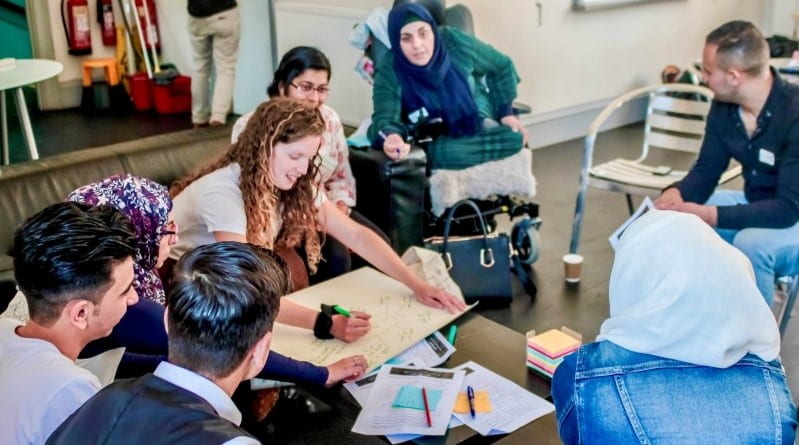
workshop meeting
Check out our new website pages:

  • Defining Citizen Science: whether you call it participatory research, community action, crowdsourcing, public engagement, or anything else, have a look at our word cloud showing various activities and practices falling under one umbrella. UCL teams are collaborating on different projects and working together under a joint mission to strengthen UCL’s activities. This fosters stronger connections and more collaborative solutions.
  • Citizen Science projects: discover the broad range of innovative projects at UCL (grouped by discipline) showcasing various ways to use a citizen science approach in research. If you have a citizen science project to feature or have any questions, please contact us.
  • History of Citizen Science: explore the exciting history of citizen science, early definitions, and three relevant periods in modern science. Learn about one of the longest-running citizen science projects!
  • Types and levels of Citizen Science: read about the growth of citizen science, which has led to the development of three broad categories: ‘long-running citizen science’, ‘citizen cyberscience’, and ‘community science’. Citizen science practices can be categorised into a continuum using the ‘Doing It Together Science’ escalator model. This model focuses on individual participation levels, allowing individuals to choose the best level for their needs, interests, and free time.
  • UCL Citizen Science Certificate: find out about this high-quality, non-academic certification awarded to individuals who complete a training programme as part of the UCL Citizen Science Academy. The Certificate recognises research abilities through participation in active projects, enabling citizen scientists to influence local decisions.

The Office for Open Science and Scholarship is working to raise awareness of citizen science approaches and activities to build a support service and a community around citizen science.  We are bringing together colleagues who have run or are currently running citizen science projects, to share experiences and encourage others to do the same.

If you are interested in citizen science, we would like to hear from you, so please get in touch by email openscience@ucl.ac.uk and tell us what you need.

Welcome to the new Training and Support Resources for Research site!

By Harry, on 11 July 2023

Since the UCL’s Office for Open Science and Scholarship founding, the team has been gathering resources to support researchers, academic staff, students, and everyone interested in learning and developing their skills and understandings about Open Science and the transition towards more democratic models to produce and share knowledge in equitable and inclusive ways.

The fast growth of Open practices and their translation into renewed local, regional, and global policies made necessary systematic resource realignments. During the last months, we have committed to re-organise those assets based on the myriad of users and their backgrounds far beyond the academic field, creating our new user-friendly website, ‘Training and Support Resources for Research’. Organised in the following up-to-date categories:

  • Advanced Research Computing: practical, hands-on training for various IT skills related to research, including high-performance computing, research software engineering and programming.
  • Citizen Science: our brand-new site with information about what UCL is doing in Citizen Science, innovative projects, and UCL’s Citizen Science Academy. Keep an eye on the Open@UCL Blog, where we will soon expand and go deep into the world of Citizen Science!
  • UCL Copyright advice: information and assistance by the UCL’s Library Services Copyright Team offers a wide range of copyright issues to UCL students and staff.
  • Creating Accessible Content: a compendium of simple steps to make your content more accessible and provide a more inclusive experience for all.
  • Doctoral Students Resources: a place for rigorous academic and non-academic creative researchers. Explore the resources and expand your skills to support your research, professional development and employability.
  • Information Governance: this site is for all members of UCL who manage highly confidential research information, including principal and chief investigators, staff, students, senior managers, and even those who just supervise people who directly handle confidential information and support staff who do not have direct access to data.
  • Open Access: designed to help UCL researchers understand how to make publications open access, meet open access requirements, use UCL’s Research Publications Service (RPS) and take advantage of open access funding.
  • Research Data Management and Planning: from the initial planning of a project through to archiving and sharing, the research data management team advises the UCL community on managing research outputs – across the research data lifecycle – in line with UCL’s expectations and external funding agencies’ requirements.
  • Research Funding Management: learn more about post-award processes through the online training course of the Fundamentals of Research Funding Management.
  • Research Integrity: summary of training opportunities currently available for staff and students. This list is not exhaustive and is intended to provide guidance as to options available. It will also be updated so do re-visit this page.
  • Research Transparency: research transparency covers how we ensure our research is responsible, reproducible, open and evidence-based.

If you scroll down the website, you will also find UCL’s Organisational Development training, Short Courses and some of UCL’s Communities and Forums that you can join to share your research, get advice and learn something new. We also collated an overview of the Research Support Teams!

Stay tuned to our news, events and training opportunities by subscribing to our mailing list,  following us on Twitter @UCLopenscience, or getting in touch with the Office for Open Science, and one of our teammates will answer as soon as we can!

How understanding Copyright helps you open up your research

By Harry, on 14 March 2023

Guest post by Christine Daoutis, Copyright Support Officer

“Can use this image I found free online?”

“I’m not sure how much of a book or an article it’s OK to copy”.

“This is my article; surely I can post it anywhere I want?”

These questions, and quite a few others, often come up in everyday research practice. They are all related to copyright. Whether you are reusing others’ materials (documents, figures, photos, video, software, data) or creating and sharing your own, understanding copyright ensures not only that you can respect others’ rights and stay within the law, but also that you can open up your research.

But understanding copyright is much more than a legal compliance issue. It is also more than an academic integrity issue. In short, it’s not just about following the rules, but also about understanding your own rights and using the rules flexibly. You can use your copyright knowledge as a tool to open up, rather than restrict, your research. For example, relying on copyright exceptions[1], and knowing how to find, reuse and acknowledge openly licensed materials[2], can give you much more freedom in how you can reuse others’ works. Crucially, knowing your rights as authors also allows you to share your research openly and, through licensing, determine how others may reuse it. Open Science practices – open access to publications, open data, open source software and hardware, co-creation projects – rely on an understanding of copyright.

To help you increase your knowledge and confidence around copyright, you can do any of the following:

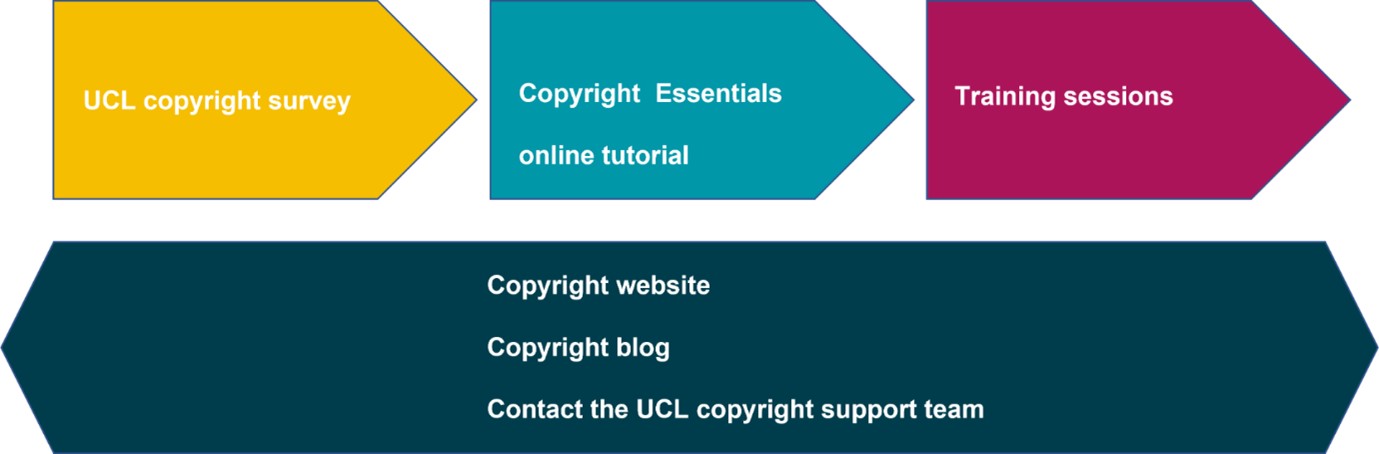
Infographic showing key UCL copyright resources. Top three resources: UCL copyright survey, copyright essentials, training sessions. Supporting resources: copyright website, copyright blog, contact the UCL copyright support team.

  1. Complete the 3-minute UCL copyright support survey to rate your confidence and tell us what support you need. If you are not sure what you need to know, the survey gives you some ideas to choose from. Currently open until 31 March 2023.
  2. Complete the 20-minute Copyright Essentials online module. You will learn the basics at your own pace, using quizzes, short videos and academic-based scenarios.
  3. Book a training session delivered the copyright support team. These can be in person or online, and offer you the chance to ask questions.
  4. Visit the UCL copyright website for guidance on specific copyright topics.
  5. Follow the copyright blog for topical articles and updates.
  6. Contact the UCL copyright support team if you have a specific question, or would like to arrange bespoke training.


[1] https://blogs.ucl.ac.uk/copyright/2023/02/24/fair-dealing-week-2023-part-2-three-fair-dealing-exceptions/

[2] https://creativecommons.org/faq/


Open Access Week is coming!

By Kirsty, on 6 October 2022

International Open Access week - text on a white background, with an orange padlock to the left. We’re getting excited again for the upcoming Open Access Week!

We have our usual range of blog posts lined up for you to enjoy, including an exciting roundup of the last year, our latest newsletter and a post on this year’s OA Week theme – Open for Climate Justice.

If that wasn’t enough, we have an online event for our ERC academics and a brand-new resource being released, so watch this space!

Featured event: Open Access for Horizon & ERC Researchers

Are you a UCL researcher whose publications acknowledge EU grants? Then you need to know about the new Horizon Europe and ERC open access requirements.

Register now for our online Open Access Week Horizon Briefing, on Monday 24 October, 13:00-13:50.

This session will set out the relevant open access policies, and explain where you can publish and what funding is available. We’ll also be joined by colleagues from F1000, to show you the Open Research Europe platform, which offers rapid publishing, open peer-review and compliance with the Horizon open access and open data policies.