X Close

UCL Culture Blog

Home

News and musings from the UCL Culture team

Menu

Archive for 2011

In spod we trust

By Jack Ashby, on 25 November 2011

Today I would like to celebrate the spod. There are a couple of definitions for this term relating to over-users of online chat-rooms, but the spods I’m referring to here are those that Urban Dictionary defines as:

“A derogatory term used to indicate someone with one of the following:
1) A penchant for academic study, above and beyond the call of duty
2) Higher than average intellectual capabilities
See also swot, nerd, geek.
“You’ve already done your history homework? Dude, you’re a spod!”
“I hate that kid, he’s a bit of a spod!”

My aim is to dispel these derogatory connotations and praise them for their gumption, rejection of the norm and dedication to something that is important. I use here terms like geek and nerd to which I attach no negatives – and have to a great extent be “reclaimed” by people like myself, who do belong in these categories. Geek-chic is cool these days, as we all know, but I’m not actually talking about the fashion for being a geek-wannabe. Just dressing like what you think a geek dresses like doesn’t make you a geek. (more…)
Zoology and Mythology – Looking at Angels, Fairies and Dragons

By Jack Ashby, on 25 November 2011

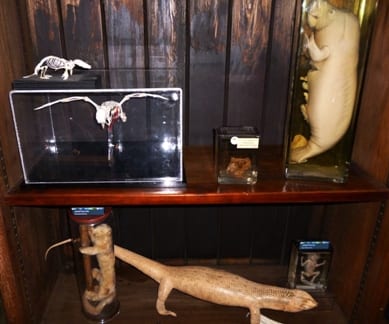
Last week was the Grant Museum’s 15th Annual Robert Edmond Grant Lecture, in which the superb Professor Roger Wotton explored the world of mythical creatures. He applied Grant’s own science of comparative anatomy to see whether things like angels, fairies and demons could actually fly, biologically speaking.

The science was solid, and – SPOILER ALERT – the answer was no. UCL Events blog reviewed the event in full, so you can read all about it there.

Roger’s original article on the topic can be found here in the Telegraph

IT CAME FROM THE STORES……..

By Mark Carnall, on 23 November 2011

Friends of the Grant Museum will know that the last year was a tough year for the museum. Not only did we have to move the museum but our stores were plagued with floods. This has meant that our stored collections have been out of action for over a year. The turmoil hasn’t quite ended but recently the stored material became a little bit more accessible so myself and our new documentation assistant have been working through the stored collection reacquainting ourselves with objects and occasionally discovering material for the first time. The reason why we have material in stores  in the first place is partly because the collection is too large to put on display (currently, only about 5% of the collection is on display) and also because some material isn’t appropriate for display either because it isn’t Hollywood enough or because it is material that is better suited for research use. Being a university museum  a fair proportion of the collection was created for use in research. In this occasional series I hope to highlight some of the objects in our stores starting with these lovely objects I found last week. (more…)

Under the skin

By Jack Ashby, on 23 November 2011

As visitors to the Museum will know, we have a load of iPads (we were only the second museum in the world to incorporate them into displays) asking our visitors to engage in some controversial or complicated conversations that we are genuinely interested in the answer to. These conversations can all also be found and joined online at www.qrator.org.

We’re starting to change all the questions over, the newest one is:

Do you find skeletons, taxidermy or specimens in fluid more interesting?

When we design our displays, we have to decide what type of specimen should tell the story we want to tell. Should it be a skeleton, a taxidermy mount, or something preserved in a jar? How does your interest differ between them? Does each option mean something different to you?

So what do you think? Get involved in this conversation on the QRator site, or on your next visit. You can also download the free Android and iPhone app “Tales of Things” and find the conversations there.

All the past conversation will be kept live online at www.qrator.org/past-questions

The whole QRator project is a ground-breaking process of visitor engagement, run in partnership with the wonderful UCL Digital Humanities and UCL Centre for Advanced Spatial Analysis.

Specimen of the Week: Week Six

By Emma-Louise Nicholls, on 21 November 2011

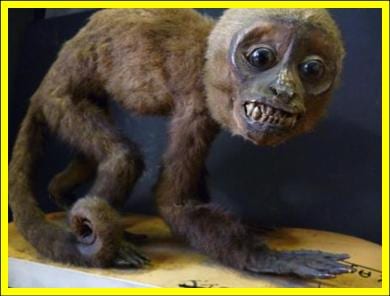
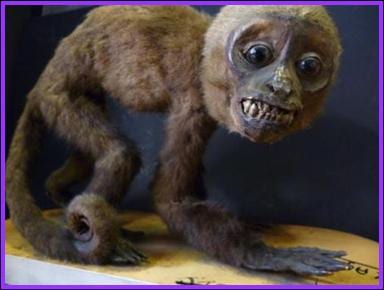
Scary MonkeyThis week’s specimen is beautiful but deadly, squishy but complex, and not entirely what it seems. This week’s specimen of the week is… (more…)

In the Shadow of the Pyramids – Flinders Petrie exhibition in Copenhagen

By Debbie J Challis, on 18 November 2011

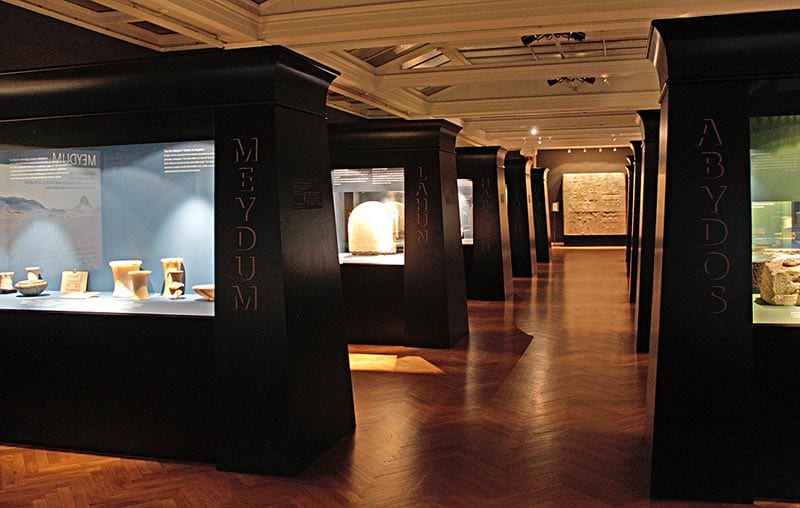
Some readers may remember that I visited Ny Carlsberg Glyptotek at Copenhagen in June to see curator Tine Bagh’s preparation for an exhibition of material excavated by Flinders Petrie. The exhibition opened last week and I asked Jan Picton, Secretary of the Friends, to give me some feedback on the exhibition. Jan writes:

View of the exhibition showing the excavation site showcases.

View of the exhibition showing the excavation site showcases.

“Twenty eager Friends of the Petrie Museum let loose to explore the Egyptian collections of Copenhagen– best not to get in their way! It helps when the Curator of the exhibition ‘In the Shadow of the Pyramids’ at the Ny Carlsberg Glyptotek, Tine Bagh, is both a fan of Petrie and a Friend of the Petrie Museum. Tine invited us to the Private View of the exhibition and the Reception in the fabulous Winter Garden and then gave us a guided tour of the exhibition and the collection the following day. She also facilitated our visits to the National Museum and to Thorvaldsen’s Museum. We are very grateful for her kindness when she was so busy with the exhibition. (more…)

Why I like cryptozoologists – an UnConventional view

By Jack Ashby, on 17 November 2011

Big Foot crossing I am very fond of cryptozoologists. I’m not one myself, but I think they are great. I spent Saturday at the Fortean Times’ annual symposium, UnConvention 2011. This is a weekend of talks about all things paranormal, organised by the magazine Fortean Times (The World of Strange Phenomena), but cryptozoology is the reason I went. Well, the reason I went is because two dear friends of the Grant Museum were speaking and I rarely get to see them. One is Richard Freeman, Zoological Director of the Centre for Fortean Zoology (the world’s largest professional cryptozoological organisation) and the other is Brian Regal, an academic historian of science interested in the relationship between science and pseudo-science and the history of Big Foot.

Cryptozoology, for those who don’t know, is the study of hidden animals, or cryptids. The bread and butter of it is animals unknown to science like yetis, sasquatch and Nessie; but also includes animals that are considered extinct, like thylacines; and animals beyond their normal ranges, like big cats on Dartmoor. (more…)

New Media Works at UCL Art Museum

By Andrea Fredericksen, on 16 November 2011


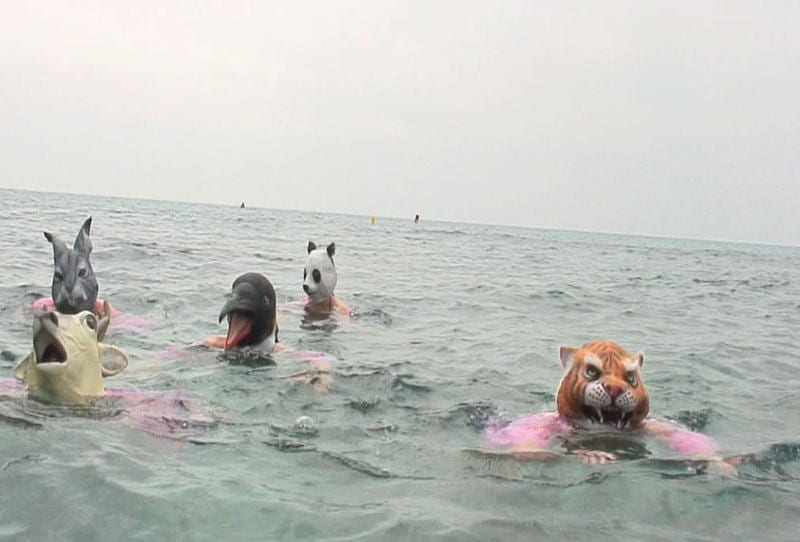
Tessa Power, Channel (2010)

By Cathrine Alice Liberg

Every year UCL Art Museum acquires student works from the Slade School of Fine Art through the William Coldstream Memorial Prize, an annual purchase prize which recognizes a student’s particular excellence in any medium. In 2010, the prize was awarded to Tessa Power for her video installation Channel, and as a museum intern, completing a History of Art Material Studies (HAMS) placement, I have had the pleasure of setting up her work as one of the first digital art objects to be showcased at UCL Art Museum. It will feature as part of our current exhibition Word & Image, which is on display throughout the autumn term. (more…)

Specimen of the Week: Week Five

By Emma-Louise Nicholls, on 14 November 2011

Scary MonkeyAs winter attempts quite convincingly to chill our doors, I thought I’d turn our attention down south and feature a mammal from the Antarctic. The first mammal to be featured in Specimen of the Week (pretty exciting stuff I know you’ll agree) this week’s specimen of the week is… (more…)

A box, an object, several hundred conversations

By Celine West, on 11 November 2011

After months of design meetings, discussions about materials, worries about portability, and hiccups during fabrication, our new outreach “pod” is finished. The designers call it a portable gallery, and that’s probably the best description. As you can see from the photos here, it has a mirrored interior, creating the feel of an infinite space. It’s 2.2mx2.2m inside but does feel much bigger. At the same time, it does what we wanted and creates an intimate and immersive environment, where people come in and immediately forget what’s going on outside.

(more…)