X Close

UCL Translational Research Office Blog

Home

Menu

Early Career Innovators: Repurposing a Common Chemotherapy Drug for Bladder Cancer, Repurposing TIN

By Alina Shrourou, on 5 March 2021

In this Repurposing TIN interview as part of the Early Career Innovators series, acknowledging the amazing translational work being done by early career and non-tenured researchers within the UCL Therapeutic Innovation Networks (TINs), Dr Jennifer Rohn highlights her Repurposing TIN Pilot Data Fund awarded project, involving the reformulation of the common chemo drug mitomycin-C for bladder cancer.

What is the title of your project and what does it involve?

My project is entitled “Repurposing mitomycin-C to expand opportunities for bladder cancer sufferers”. We decided to take advantage of a previous therapy platform we developed for urinary tract infection (UTI) to see if we could retrofit it for bladder cancer therapy with a few tweaks.
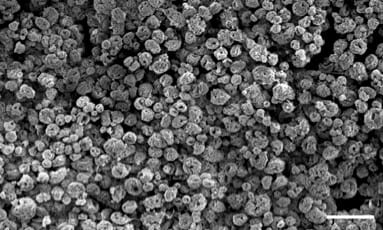
microcapsules

A novel micro-encapsulation process offers robust tissue penetration of generic drugs

Our UTI solution, which is currently being commercialised by the UCL spinoff AtoCap in collaboration with engineering colleagues at UCL and Oxford, is a reformulation of the common antibiotic nitrofurantoin. The antibiotic is mixed with the FDA-approved polymer PLGA using patented technology, resulting in novel microcapsules that are designed to be delivered directly into the bladder via catheter, and once there, to penetrate robustly, delivering drug deep into the bladder wall where it’s needed. In this TIN award project, we are going to reformulate the common chemo drug mitomycin-C using the same platform, in the hopes that the resulting microcapsules will allow deep bladder delivery of this important drug which is currently of limited use because it’s difficult to get it into the tissues.

In parallel, in order to test and troubleshoot our prototype chemo-capsules, we are adjusting a human bladder “organoid” model developed in my lab so that it is equipped with fluorescent cancer cells. Using this modified platform as a test-bed, we should be able to do some great experiments with the prototype capsules to see if they can penetrate and kill cancer cells better than free chemo drug. This data package will be used to attract follow-on funding to help speed our solution down the translational and commercial pathway.

What is the motivation behind your project/therapeutic?

Bladder cancer is a bit of a neglected disease; it’s the most expensive cancer of all to treat, but unlike other cancers, outcomes have not improved for decades because there hasn’t been much research into mechanisms and new drug discovery. We are focusing here on non-muscle-invasive bladder cancer (NMIBC). Of 300,000 new NMIBC cases per year worldwide, low/intermediate-risk patients (~80%) would benefit from more penetrative chemotherapy, and it might newly enable treatment of high-risk forms and relapsed patients. The current standard of care is surgery, followed by traditional chemotherapy and Bacillus Calmette–Guérin (BCG). Recent advances in immunotherapy, while promising, are suitable for only a limited number of advanced cases, and are associated with severe side effects. Patient support groups repeatedly identify improved NMIBC treatments as the top priority.

Can you highlight any challenges have you experienced as an early career researcher in the repurposing/translational research space?

Although I’ve been a scientist for a long time, I only recently started up a lab of my own due to my convoluted career pathway in and out of academia. Just staying afloat in academia as “a mature ECR” is a challenge in itself, and though I still don’t have a permanent position, I am clinging on in there. I think reformulation is particularly tricky. Although the route-change offers a streamlined regulatory pathway, which lowers costs, it is sometimes difficult to persuade investors that a generic drug can be reinvented into something new and profitable, and your patent position has to be really solid. It’s been interesting to be involved in a university spin-off – I was recently made Chief Scientific Officer, so I get exposed to a lot of the business side as well as the science. It’s a truly fascinating world and I am still learning all the lingo!

Why did you want to apply to the Repurposing TIN Pilot Data Fund?

I’ve been involved in the TIN for a while and it seemed a natural fit for my project. We need pilot data to get further funding, but you can’t do research without money. The TINs Pilot Data Fund therefore was a really attractive way to get around that “chicken and egg” problem.

Learn more about the TINs

How did you find the process for the TIN Pilot Data Fund? What did you learn?

I think the whole thing was beautifully organised and I particularly valued the professional pitch training we received. It not only helped me win the award, but I can use these skills to help improve my pitching to various investors. The organisers were also so helpful throughout the process.

Translational training from UCL ACCELERATE

What do you hope to achieve in the duration of your project?

Things have been very challenging because of COVID and even though the labs are now open, everything is going a lot more slowly due to ongoing lab occupancy restrictions. Thankfully the scheme has been extended for those experiencing issues due to restrictions of the pandemic, to give us all a little more breathing space. Things are going very well so far – we are nearly ready to merge our fluorescent cancer cells with our healthy bladder “organoid” and we expect to have our data package completed right on schedule.

About Dr Jennifer Rohn

Jenny Rohn headshot

Dr Jennifer Rohn, a cell biologist, is Principal Research Associate and Head of the Centre for Urological Biology in the Department of Renal Medicine in the Division of Medicine, based at the Royal Free Hospital campus.

After receiving her PhD from the University of Washington in Seattle studying virus evolution, she held several post-doctoral positions in academia and industry in the Netherlands and in the UK (along with a research career break in science publishing) before settling into her current role. She and her research team are interested in understanding urinary tract infection and as part of this, they seek to find novel therapeutic delivery mechanisms that facilitate penetration of the bladder wall to kill bacteria sheltering within. More recently the lab has branched out into bladder cancer, another disease in need of better penetrative solutions for chemotherapy. Jennifer is also a prolific writer and science communicator in her spare time, and she has published three novels about scientists (a genre known as “lab lit”).
Early Career Innovators: Genetic Diagnosis of Inherited Retinal Disease with AI, Devices & Diagnostics TIN

By Alina Shrourou, on 26 February 2021

In this Devices & Diagnostics TIN interview as part of the Early Career Innovators series, acknowledging the amazing translational work being done by early career researchers within the UCL Therapeutic Innovation Networks (TINs), Dr Nikolas Pontikos highlights his Devices & Diagnostics TIN (co-lead by the UCL Institute of Healthcare Engineering’s Translational & Industry Delivery Group) Pilot Data Fund awarded project, involving the use of artificial intelligence to accelerate genetic diagnosis of inherited retinal disease.

What is the title of your project and what does it involve?

The title of my project is: “Eye2Gene: Accelerating Genetic Diagnosis of Inherited Retinal Disease with AI”

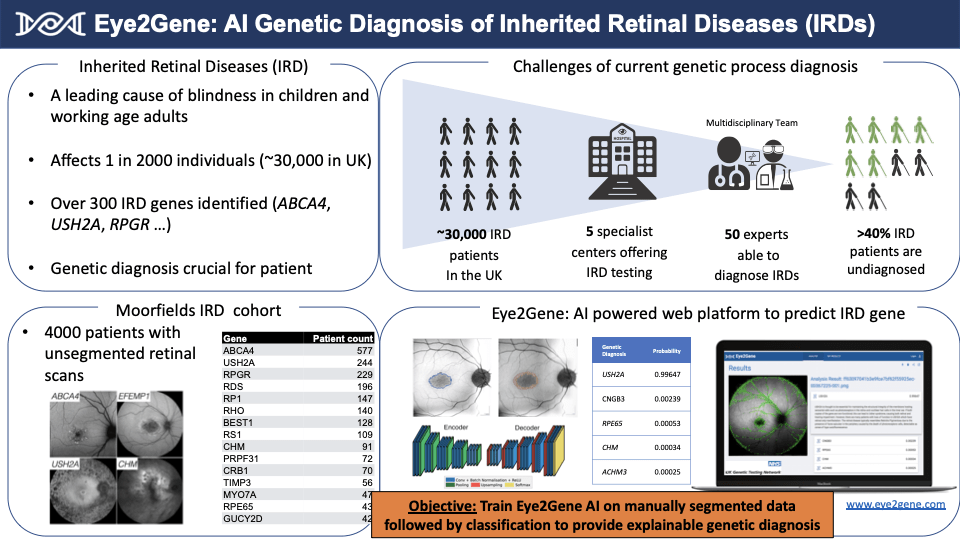
Inherited retinal diseases are a leading cause of visual impairment in children and the working age population. Mutations in over 300 genes are associated with IRDs and identifying the affected gene in a patient is the first step towards diagnosis, prognosis and treatment. Currently, inherited retinal diseases are detected first by retinal imaging analysis and later confirmed by genetic analysis. Teams combining these analytical skills are scarce hence my idea is to train an AI (artificial intelligence), Eye2Gene, to achieve this in one algorithm. The training data will consist of retinal images from 4000 inherited retinal disease cases at Moorfields Hospital segmented over a 2 month period.

What is the motivation behind your project/therapeutic?

Around 30,000 individuals in the UK have an inherited retinal disease (3.5M globally). Less than 40% of patients have been diagnosed because of poor screening. A late diagnosis means less chances for treatment. Genetic diagnosis is crucial for management and treatment of patients by upcoming gene-targeted treatments. Rare disease drug development is one of the fastest growing pharma markets ($262bn by 2024). Eye2Gene will increase the rate of genetic diagnosis, allowing more to be treated sooner. There are currently no competing products for inherited retinal disease genetic diagnosis.

Why did you want to apply to the Devices & Diagnostics TIN Pilot Data Fund?

I first heard of the Translational Innovation Network Pilot Data Fund through the UCL newsletters of Personalised Medicine. I attended a few events organised by the UCL Translation Research Office and was really impressed by the guidance and support that was provided to Early Career Researchers such as translational pathways, presentation skills and grant writing workshops often led by experienced professional external consultants.

Having recently published the dataset for inherited retinal diseases from Moorfields Eye Hospital (Pontikos et al., 2020) and developed the deep-learning algorithm Eye2Gene prototype, the Pilot Data Fund seemed like the ideal kickstarter grant to launch my research project in order to build a pilot imaging dataset of segmented inherited retinal disease scans to allow for explainable AI and enhance algorithm performance.

Eye2Gene data

How did you find the process for the TIN Pilot Data Fund? What did you learn?

The process was very educational. The workshops organised were of a very high standard and for the first time in my career, I received professional training in writing grants and pitching ideas. I also learnt about the translational pathway and the different stages of technology readiness. I think perhaps two workshops that stood out for me were the ones presented by Granted Ltd and by Simon Cain. As an exuberant scientist, project management (Gantt charts, KPIs, risk management etc) is always something that came as an afterthought for me, so it was quite revealing for me to see just how central it is to the grant writing process and funding success. In the future, through additional TIN opportunities, I am also very much looking forward to learning more about regulatory aspects of medical device development.

What do you hope to achieve in the 6 months duration of your project?

After 6 months I hope to have a dedicated retinal imaging annotation platform and a large manually segmented dataset of inherited retinal disease scans (>2000). This will allow Eye2Gene to offer interpretable output, highlighting to healthcare professionals exactly which parts of an image were used to derive a diagnosis. These outputs will be useful for the training of multiple AI algorithms including Eye2Gene.

Furthermore, the retinal image annotation platform that will be developed will support future image segmentation projects by facilitating collaborative editing and training of medical graders, as well as supporting medical image annotation for clinical trials. In the future, I hope to share these annotated rare disease datasets with the community and promote natural history studies and drug development. On the back of this funding from TIN, I have already submitted a project grant application to NHSX and the Wellcome Trust to support further development of the Eye2Gene software as a medical device.

What are your next steps from now?

For the Eye2Gene project I have already exported the inherited retinal disease imaging datasets and the software development of the image annotation platform has started which should be finished by end of May. After which, the annotation of images will start and I anticipate will finish in July. Further to this, the UCL Translational Office has been incredibly supportive in helping me apply for large project grants such as the Wellcome Trust Innovator Award and the NHSX AI Award. They have helped me connect with relevant individuals outside of my area of expertise, such as experienced project managers, regulatory consultants and health economists at UCL. These individuals have taken an active part in helping me write my grant applications which has been really fantastic! I will hear back from these grants in February and hope to be successful (fingers-crossed).

Whether or not I am successful with these grant applications in the short-term, I believe the whole process has greatly strengthened my grant and fellowship writing skills, especially by teaching me good project management and pitching skills.
Career wise I have also recently submitted two fellowship applications one to NIHR and one to MRC which if I am successful, will start in October 2021, giving me five years of funding. I also plan on submitting a studentship to hire a PhD student (as subsidiary supervisor).

About Dr Nikolas PontikosNikolas Pontikos headshot

Dr Pontikos is an early career researcher funded by a short-term Moorfields Eye Charity Career Development Award. He is based at the UCL Institute of Ophthalmology and Moorfields Eye Hospital, and collaborates with the Institute of Health Informatics and the Genetics Institute. He has an MEng in computer science from UCL, a postgraduate MSci in bioinformatics from Imperial College and a PhD in genetics and machine learning from Cambridge University. He is very interested in the analysis of healthcare data to provide personalised care.

He jointly analyses genetics, medical imaging and text data to develop decision support systems for diagnosis, prognosis and treatment. His focus has mostly been on rare eye diseases but his methodology is widely applicable to rare genetic diseases. He is very interested in learning more about the regulatory aspects of developing software as a medical device.

References

Pontikos, N., et al. (2020). Genetic basis of inherited retinal disease in a molecularly characterised cohort of over 3000 families from the United Kingdom. Ophthalmology. https://doi.org/10.1016/j.ophtha.2020.04.008

Early Career Innovators: Understanding the Role of Brain Oxygenation in Multiple Sclerosis, Devices & Diagnostics TIN

By Alina Shrourou, on 17 February 2021

In this next Devices & Diagnostics TIN interview as part of the Early Career Innovators series, acknowledging the amazing translational work being done by early career researchers within the UCL Therapeutic Innovation Networks (TINs), Dr Frédéric Lange highlights his Devices & Diagnostics TIN (co-lead by the UCL Institute of Healthcare Engineering’s Translational & Industry Delivery Group) Pilot Data Fund awarded project, “Understanding the role of brain oxygenation and metabolism in the pathophysiology and prognosis of relapses and progression in multiple sclerosis”.

Please give an overview of your research and the project that has been funded by the TIN Pilot Data Fund.

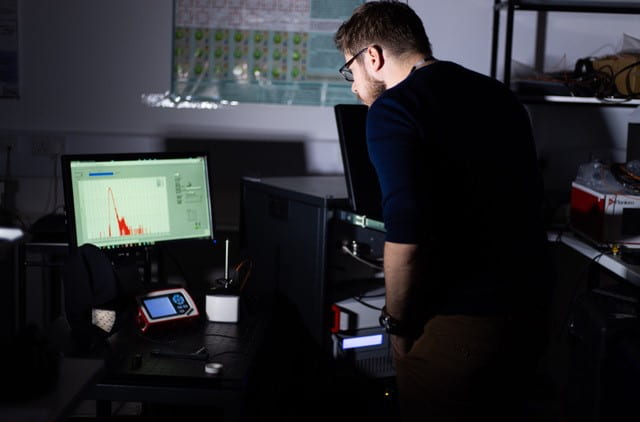
I am a biomedical engineer/physicist with a focus in biophotonics. Since I started my PhD, I’ve been working on using near infrared light to monitor the human brain physiology. Indeed, light in that range can probe deep tissues like the brain, giving us access to very useful information on tissue oxygenation or metabolism. If you are interested in that subject, I recommend consulting our public engagement website, https://metabolight.org, that explains the basics of the physics and engineering of what we do, and how we use our systems in the clinic.

The title of my TIN Pilot Data project is “Understanding the role of brain oxygenation and metabolism in the pathophysiology and prognosis of relapses and progression in multiple sclerosis”. In this project, I will use an optical instrument that I developed with some colleagues, to collect information on brain’s oxygenation and energy levels in people with multiple sclerosis (pwMS).

Frederic Lange research

What is the motivation behind your project/therapeutic?

MS is the most common cause of non-traumatic disability in young adults, affecting 131,720 people in the UK. UCLH alone treats more than 5000 people with MS. Despite advances in treatments, at 17 years post-diagnosis, 11% of patients cannot walk unaided, and 18% enter a progressive form of the disease. Identifying additional mechanisms of disease progression and which patients are most likely to benefit from additional treatments therefore represents a huge unmet need.

All current MS treatments target neuroinflammation, yet substantial pre-clinical and clinical data suggests a causal role of hypoxia. We hypothesise that our instrument will allow us to identify those pwMS with the greatest such deficits, hence allowing:

  • Enrichment of future clinical trials testing interventions aimed at reversing these processes.
  • The monitoring the patient’s response to such treatment.

Why did you want to apply to the Devices & Diagnostics TIN Pilot Data Fund?

The Devices & Diagnostics TIN Pilot Data Fund was a great opportunity for me as it was perfectly fitting the stage of my current research. Indeed, I was just finishing the developmental phase of the instrument that I wanted to build, and I was transitioning to its use in the clinic. With my clinical colleague, we could start to use the instrument on patients, but we realized that a few changes were needed in order to facilitate its use in a clinical environment, so we needed to make some adjustments. However, it can be difficult to find funds at this stage of a project, as it is not an engineering project anymore, but at the same time, it is not a clinical project yet. We needed some preliminary data on patients in order to be able to apply to a more clinically focused grant. So, this kind of fund is perfect to close the gap between an engineering and clinical project.

Moreover, from a more personal point of view, this fund was a good opportunity to apply to my first independent grant, which I hope will be the first step towards my independent career.

Learn more about TIN opportunities for researchers

What do you hope to achieve in the 6 months duration of your project and what are the next steps from now?

With this project, I will be able to upgrade my existing optical instrument, so it is easier to use in the clinical environment and more robust. The fund will be used to buy the essential components needed to make these upgrades. I am currently purchasing the equipment needed. The upgrade process will occupy the first half of the project, between the hardware and the software work, and the recalibration of the system. Then, in the second half of the project, we will aim to scan as many pwMS as possible, so we can have a good set of preliminary data. This will certainly prove challenging in these trouble times, but I am confident that we will be acquire some very useful data.

About Dr Frédéric Lange

Frederic Lange headshot

Dr Frédéric Lange received his Ph.D. degree in biomedical optics from the University of Lyon and INSA de LYON in France in 2016. Since then, he has been a Research Associate with the Biomedical Optics Research Laboratory, which is part of the Department of Medical Physics and Biomedical Engineering at UCL.

His main research interests are in the development of diffuse optics instrumentation and methodologies for biomedical applications, especially for brain monitoring.

Early Career Innovators: Personalised Therapy for Prostate Cancer from Diagnosis, Devices & Diagnostics TIN

By Alina Shrourou, on 4 February 2021

In the first Devices & Diagnostics TIN interview as part of the Early Career Innovators series, acknowledging the amazing translational work being done by early career researchers within the UCL Therapeutic Innovation Networks (TINs), Dr Hayley Pye highlights her Devices & Diagnostics TIN (co-lead by the UCL Institute of Healthcare Engineering’s Translational & Industry Delivery Group) Pilot Data Fund awarded project, “Personalising pathology for prostate cancer, a unique opportunity at UCL/UCLH”.

What is the title of your project and what does it involve?

I was recently awarded money from UCL TRO’s Therapeutic Innovations Network, specifically the Devices & Diagnostics TIN, to carry out some proof on concept work predicting molecular pathways from diagnostic histology images. The project is called: “Personalising pathology for prostate cancer, a unique opportunity at UCL/UCLH.”

Prostate cancer is the 2nd most common cause of cancer death in males in the UK with over 11,000 men dying each year. Around 350 people are diagnosed with prostate cancer every day. In the UK there are no molecular profiling tests recommended for risk profiling or treatment selection. Despite high quality research in this area, molecular tests to diagnose only the more aggressive cancers that require treatment are largely unadopted. Our device will provide a completely novel way to implement personalised diagnosis and pave the way for the implementation of these tests.

histopathology

Every cancer diagnosis requires the analysis of a histopathology image, this image (right) is produced from staining a human tissue sample with two dyes (hematoxylin and eosin).

I want to apply machine learning techniques to these whole-slide-images (WSI) and predict for clinically actionable genetic mutations or pathway activation in prostate cancer. This would promote personalised therapy from the point of diagnosis.

Our network provides a unique environment to test this in clinical hands and in real life clinical data sets that are relevant to the target population.

What is the motivation behind your project/therapeutic?

Traditional ‘one size fits all’ treatments for prostate cancer can cause a lot of off target urinary, sexual and bowel symptoms, and overtreatment is common. Our device ultimately will be pathway to implement augmented filters that would overlay an individual’s standard of care diagnostic whole-slide-images (WSI) and inform the patient if they could be spared treatment and/or if a modern targeted treatment could work. This device would help introduce molecular profiling at diagnosis (not yet standard of care) and therapy choice based on the individual cancer’s molecular characteristics.

The diversity in molecular characteristics present in prostate cancer means simple molecular signatures often either struggle to predict treatment sensitivity accurately, or are not present in sufficient numbers of patients. In depth genetic and transcriptomic sequencing can provide comprehensive information about individual tumours but it is expensive, requires the destruction of tissue samples, and the time to result can be long. The translation of in depth genetic and transcriptomic sequencing tests into clinical implementation is challenging due to issues of scale, as well as financial and infrastructural limitations in many centres. The ubiquity of the ‘standard of care’ histopathology slides alongside our device would allow for quick and cheap pre-screening of patients and without any additional tissue.

Why did you want to apply to the Devices & Diagnostics TIN Pilot Data Fund?

Since I am a postdoctoral research associate, the opportunities to raise money and lead your own research project are rare and competitive. However they are also essential if you want to continue a career in academic research. These opportunities are especially challenging as it all has to be done on top of an already busy and challenging day job as a research associate. The TIN Pilot Data Fund is perfectly sized and suited for an opportunity to carry out some independent research within my current role at UCL. In addition, the amount of support and guidance is phenomenal, ideal for someone like myself trying to make that first step into independence.

Learn more about TIN opportunities for researchers

How did you find the process for the TIN Pilot Data Fund? What did you learn?

I felt very supported and encouraged throughout the process. I am still learning and hoping to take advance of all that ACCELERATE can provide, they are very approachable and all the content so far has been appropriate and all very reasonable and relevant. I have attended the following courses: ‘Mentoring for Medical Innovation’, ‘Grant Writing for Translational Research’ and a ‘Pitching Skills Workshop’ as well as applying for a ‘Dragon’s Den’ style grant from the Devices & Diagnostics Therapeutic Innovations Network.

Register for upcoming ACCELERATE events

What do you hope to achieve in the 6 months duration of your project?

Funds from this grant will help to progress a proof of concept computer algorithm through to testing on real-world diagnostic data. Work will involve curating and cleaning the cohort(s) for this type of work, building a strong hypothesis on which to build a model, generating molecular label data for the test cohort, designing suitable approaches for the data pipeline, and finally applying at least one algorithm to real-world diagnostic data. Hopefully I will then be in a strong position to apply for further funding, leveraged by this work, to both access a larger clinically relevant biobank, expand the algorithms to other molecular signatures and embed our tools into a commercial platform already embedded for NHS-wide deployment.

What are your next steps from now?

The most difficult and time-consuming task will be generating reliable and high-quality molecular label data. So this is my main focus at the moment.

About Dr Hayley Pye

Hayley Pye

Dr Hayley Pye is a Postdoctoral Research Associate based in the Division of Surgery at UCL. She is currently working on a clinical trial evaluating new blood and urine biomarkers in combination with MRI imaging for improved prostate cancer diagnosis and prognosis. She also has experience in the early-stage development of antibody-drug conjugates (ADC) that can be activated by light (photodynamic) sound (sonodynamic) or carrying chemotherapeutic drugs for cancer.

She is driven to better understand the way we currently diagnose and choose modern therapeutics for cancer in the clinic and wants to disrupt the stratification by ‘organ of origin’ and the research silos we currently work in.

Early Career Innovators: Enhancing Stathmin-2 protein in Neurodegenerative Diseases, Small Molecules TIN

By Alina Shrourou, on 5 January 2021

In the next Small Molecules TIN interview as part of the Early Career Innovators series, acknowledging the amazing translational work being done by early career researchers within the UCL Therapeutic Innovation Networks (TINs), Benedikt Hölbling highlights his Small Molecules TIN Pilot Data Fund awarded project, “Enhancing Stathmin-2 protein levels in familial and sporadic ALS/FTD”.

What is the title of your project and what does it involve?

The title of my project is “Enhancing Stathmin-2 protein levels in familial and sporadic ALS/FTD”: Cellular loss of the protein Stathmin-2 is a common hallmark of Amyotrophic Lateral Sclerosis (ALS) and Frontotemporal Dementia (FTD), two devastating neurodegenerative diseases. We aim to identify ways to modulate Stathmin-2 protein levels in cells to improve neuronal health. For this aim, we developed a high throughput screen to identify small molecules that could be used as novel therapeutics for ALS/FTD treatment.

What is the motivation behind your project/therapeutic?

ALS and FTD are fatal neurodegenerative diseases with no effective treatment available yet.
ALS, also commonly known as motor neuron disease, occurs when specialized motor neurons in the brain and spinal cord perish. Every year approximately 1700 people in the UK are newly diagnosed with this disease, with a mortality rate of 50% within the first 2 years.

Approximately 16,000 patients in the UK live with FTD. This rare form of dementia causes symptoms such as changes to personality and/or difficulties with language.

The majority of therapeutics under development would require regular, invasive lumbar punctures to administer or focus on specific disease-causing genes. However, most ALS cases are sporadic (90%) without familial history of the disease. Further, the genetic causes are very diverse. A common characteristic that is shared among most familial and sporadic cases is the loss of cellular Stathmin-2 protein levels. It was shown that overexpression of Stathmin-2 improves neuronal health in cell cultures (Klim et al., 2019 and Melamed et al., 2019). Therefore, finding modulators of Stathmin-2 expression may enable treatment of a large number of patients with various ALS and FTD disease backgrounds rather than targeting specific disease-causing genes. In addition, an oral delivery of small molecules is non-invasive and easy to administer.neurons ALS/FTD

Why did you want to apply to the Small Molecules TIN Pilot Data Fund?

We have developed a high-throughput screen in close collaboration with the Alzheimer´s Research UK Drug Discovery Institute at UCL. The Small Molecules TIN Pilot Data Fund will now enable us to perform two pilot screens with this model. Thereby, we will further increase the accuracy and reliability of our assay for large-scale screens in the future.

Furthermore, I applied for my personal development: There are very limited opportunities to apply for funding as an Early Career Researcher. Therefore, I was highly excited to be able to apply for the Small Molecules TIN Pilot Data Fund. From the start of this project, I could improve many of my skills in the lab and outside.

Join the Small Molecules Therapeutic Innovation Network

How did you find the process for the TIN Pilot Data Fund? What did you learn?

It was very exciting! I was never involved in a grant application before, so everything was very new to me. During the process, I attended two ACCELERATE training workshops. In the first one, I learned how to write more precise whilst not too scientific for my written application. Especially as a non-native speaker, this also will be a great help for future applications. However, the pitch was the most exciting part of the process. Explaining the innovation and importance of your project in only 2 minutes is very challenging and the ACCELERATE workshop was extremely helpful to set the right focus.

What do you hope to achieve in the 6 months duration of your project?

In the next months, we will perform two pilot screens with different small molecule libraries. Thereby, we will hopefully identify helpful tool compounds. Further, this helps us to optimize and validate our assay before utilizing larger small-molecule libraries in the future.

What are your next steps from now?

The next step is to perform two pilot screens together with the ARUK Drug Discovery Institute at UCL. Once we identify promising molecules with the screen, we will closely characterize them to determine which one of them is the most promising candidate for a novel ALS/FTD therapy.

About Benedikt Hölbling

Benedikt Hölbling works in Professor Adrian Isaac’s lab at the UK Dementia Research Institute at UCL.

He examines mechanisms of Amyotrophic Lateral Sclerosis (ALS) and Frontotemporal Dementia (FTD) on the basis of stem cell models.

Early Career Innovators: Therapeutic Vulnerabilities of an Oncoprotein in Tumour Initiation, Small Molecules TIN

By Alina Shrourou, on 11 December 2020

In the next Small Molecules TIN interview as part of the Early Career Innovators series, acknowledging the amazing translational work being done by early career researchers within the UCL Therapeutic Innovation Networks (TINs), Dr Victor Llombart highlights his Small Molecules TIN Pilot Data Fund awarded project, “Identifying therapeutic vulnerabilities of MYC through next generation structure-function”.

What is the title of your project and what does it involve?

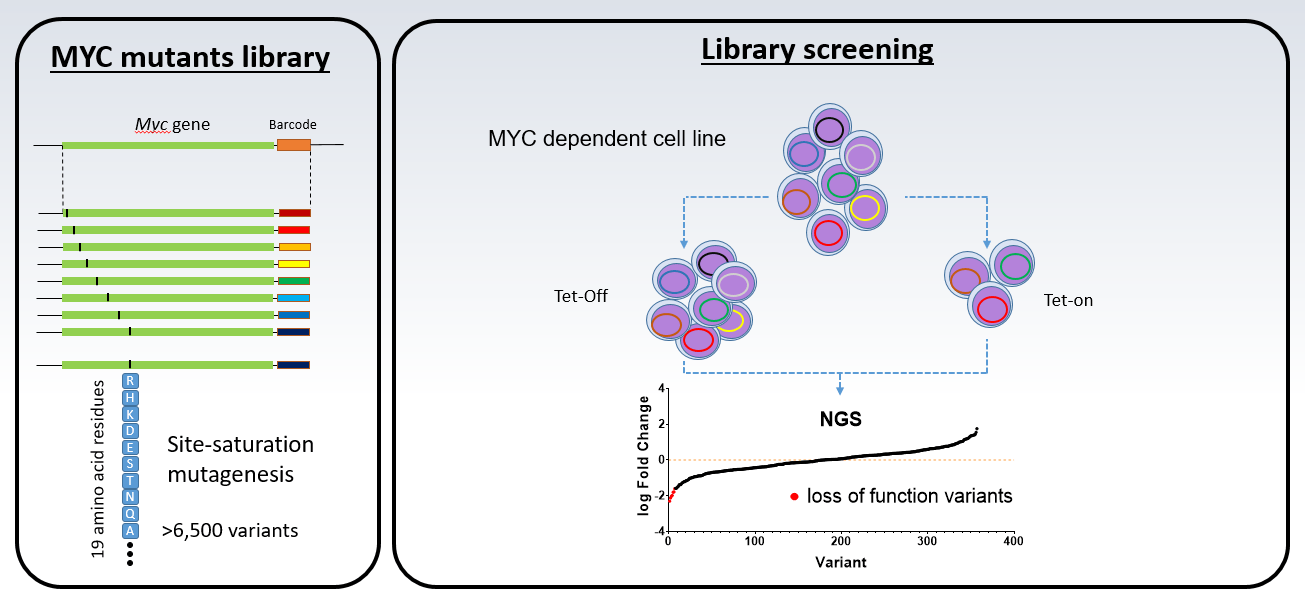
My project is titled “Identifying therapeutic vulnerabilities of MYC through next generation structure-function”. MYC is an important oncoprotein involved in tumour initiation and development that is difficult to target using conventional small molecule-based approaches. The main reason is that MYC conforms a structurally highly disordered protein from which is virtually impossible to obtain a crystal model unless it is forming a complex with other proteins that stabilize it. Consequently, the design of drugs based on structure models of MYC is extremely challenging. Alternatively, we have designed and generated a library of MYC mutants to identify new protein domains that are potentially “druggable”. This pooled library can be screened using our MYC-dependent cell line allowing the identification by next generation sequencing of those aminoacid residues that are crucial for MYC oncogenicity.

What is the motivation behind your project/therapeutic?

Cancer is a major public health and economic issue worldwide. In the UK, ≈1,000 new cases of cancer are diagnosed every single day and most of the current anti-cancer therapies present high toxicity, drug resistance and significant side effects.

The protein MYC is an essential global transcription factor that regulates important functions in our body such as cell growth, cell metabolism or blood vessel development. MYC is also one of the most frequently altered genes in cancer and its expression is deregulated in about 70% of all malignancies. Several studies in animal models have shown how MYC inhibition leads to a rapid tumour regression while the healthy tissue remains unaffected. This opens the way for new therapies and makes MYC one of the most appealing targets for cancer treatment. However, as I mentioned before, the design of small molecules that target MYC is challenging. Our approach overcomes these limitations allowing an unbiased functional analysis at single amino acid resolution that I believe will provide essential structure-function information. Our data will also allow the identification of critical MYC interactors that can be explored for the indirect inhibition of MYC and form the foundations of a small molecule drug screening platform.

Why did you want to apply to the Small Molecules TIN Pilot Data Fund?

As an early-stage researcher, The Small Molecules TIN Pilot Data Fund was my first opportunity to apply for a grant as the main applicant. I thought that, if successful, it would be an excellent opportunity to manage my own research funds.

Also, I felt that the preliminary results of our MYC mutants library screening were extremely promising but made us realize that an increased sequencing depth was required in order to reach single aminoacid resolution. I was convinced that our proof-of-principle experiments were suitable for applying to the Small Molecules TIN Pilot Data Fund and that the scheme would be perfect to fund the additional sequencing analyses that are needed.

How did you find the process for the TIN Pilot Data Fund? What did you learn?

The application process was very quick. After submitting my application with all the relevant details of the project, my proposal was shortlisted for a pitch with a panel of experts following a Dragons’ Den style event. This was the first opportunity I had to defend my project in such format and it was extremely challenging, mainly for the short time we were given to present our data. Before the pitch, I learned how to present complex scientific data succinctly to specialists from industry and academia with very different backgrounds. As part of the ACCELERATE program I attended a training session that helped me to deliver an impactful and convincing message. In this workshop, I also received useful advice about how to navigate through the long Q&A and how to improve my body language – which is important also in an on-line session over COVID times! My lab mates helped me too by improving my presentation and by anticipating the most probable questions – they are absolutely amazing! During the whole process, I received important feedback from different perspectives that will definitely improve the project. Overall, I consider it a very positive experience that helped me to strengthen future grant proposals.

What do you hope to achieve in the 6 months duration of your project?

My plan at the end of this period is to reach an appropriate sequencing depth after the screening of our library in an adequate number of biological replicates generating a complete functional map of MYC. This will allow a robust statistical comparison and will decrease the number of false positives, ultimately reducing the costs derived from subsequent validation steps that we will carry out.

What are your next steps from now?

I will start by generating large-scale cultures of the MYC-dependent T-ALL cell line used as a model in this screening. These cells will be transfected with our MYC mutant library ensuring a proper representation of all the variants during the process and they will finally be incubated with tetracycline. During this incubation, those variants that translate to a non-functional MYC protein will drop out and will be identified by NGS and validated individually. These results will allow the identification of domains in the MYC protein that are critical for its oncogenicity. Following a mass spectrometry-based approach, we will try to identify novel MYC co-factors that are essential for its function and interact with MYC through these critical domains. We anticipate that this data will enable us to delineate in future proposals the structure of the protein-protein interaction interfaces that will ultimately inform in in silico drug design.

About Dr Victor LlombartVictor Llombart

Dr Victor Llombart is a molecular and cellular biologist that works as a Post Doctoral Research Associate in the lab led by Dr Marc Mansour, at the Haematology Department of the UCL Cancer Institute. Dr Llombart’s main research interest is learning how proteins that are involved in key biological processes function, interact and regulate essential tasks within the cell. During his PhD at Universitat Autonoma de Barcelona he developed different proteomic approaches for the discovery of novel diagnostic biomarkers for stroke using different in-vivo and in-vitro models as well as human samples.

Later, at St George’s University of London he worked on understanding the mechanisms that regulate the trafficking and exocytosis of intraluminal vesicles in endothelial cells.

Dr Llombart joined UCL in 2018 on a CRUK-funded project aiming to identify novel domains of the oncoprotein MYC that are important in protein-protein interactions and can potentially be targeted using small molecule drugs.

Early Career Innovators: Screening a DNA Encoded Library for Drugs Targeting Ocular Diseases, Small Molecules TIN

By Alina Shrourou, on 4 December 2020

In the first Small Molecules TIN interview as part of the Early Career Innovators series, acknowledging the amazing translational work being done by early career researchers within the UCL Therapeutic Innovation Networks (TINs), Clara Gathmann highlights her Small Molecules TIN Pilot Data Fund awarded project, “Screening a DNA encoded library on GEF-H1 for drugs targeting ocular diseases”.

What is the title of your project and what does it involve?

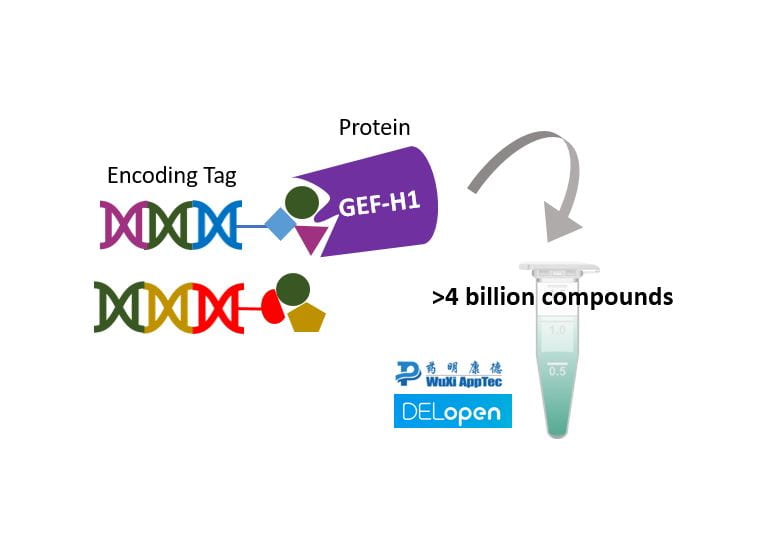
The title of my project is ‘’Screening a DNA encoded library on GEF-H1 for drugs targeting ocular diseases’’. GEF-H1 is a protein which our group has identified as a potential target for fibrotic and inflammatory ocular disorders. We have started to develop small molecules against GEF-H1, using computational and medicinal chemistry drug discovery techniques. However, our molecules are not very potent yet and we haven’t tried using high throughput screening.

DNA encoded libraries (DELs) contain billions of molecules in a single tube and can be screened on a protein within days. This technology is made possible by DNA tags attached to each molecule that encode their structures. As you may know, DNA can be amplified with PCR and sequenced. This enables a read-out of the structures of the most active molecules from picogram quantities in the tube. Hence, only one small tube is needed instead of thousands of 96-well plates. We decided to use the open source DEL library from WuXi and subject it to GEF-H1. With this, we hope to discover new molecules that bind GEF-H1 within a few weeks, giving a real kick to our drug discovery plans!

What is the motivation behind your project/therapeutic?

Preventable ocular disorders are still a major cause for vision loss. In addition to the high impact on human lives, sight loss is also a real economic issue for our societies. Even quite common ocular disorders like uveitis and retinopathies can cause vision loss if left untreated. Unfortunately, current treatments for inflammatory and fibrotic eye disorders either involve invasive surgeries or the heavy use of drugs like corticosteroids and anti-proliferative agents. These interventions are first of all not necessarily successful and have several side effects, including even vision loss!

As for many diseases, it all starts with a good drug target (in other words, a protein to inhibit). By finding potent GEF-H1 inhibitors, we hope first of all to produce useful clinical candidates that can prevent inflammatory and fibrotic damages done to the eye. But also importantly, we would show for the first time that GEF-H1 is a suitable protein to inhibit, paving the path for a new class of biological targets and providing a proof of concept for future drug discovery projects. I think this is truly motivating, to not only contribute to a cause such as a particular disorder, but also to a whole scientific field which might help completely unrelated disease classes.

Why did you want to apply to the Small Molecules TIN Pilot Data Fund?

DNA encoded libraries are an emerging technology that have gained a lot of attention lately. More and more data is published on the construction of such libraries, with some successful examples taken to clinical trials. However, the biggest libraries are often in-house libraries of pharmaceutical companies or offered by specialised companies to pharma giants. This means that drug discovery groups in academia don’t have easy access to these libraries for cost reasons, unless a collaboration is put in place. When we heard that WuXi launched this open source DNA encoded library for academia, it sounded like a huge opportunity to bring that technology into UCL and our department.

This technology can lead very quickly to positive results but would simply not have been possible to follow up on hits without the funds from the Small molecules TIN. The TIN pilot data fund seemed to be adapted due to the short-term character of the project and we hoped that such an unusual idea could awaken interest. In addition to this, applying for this kind of fund seemed like the perfect opportunity for me to learn about grant writing and how to fund research in general.

Learn more about the Therapeutic Innovation Networks and join a TIN

How did you find the process for the TIN Pilot Data Fund? What did you learn?

Overall, super exciting. While making the written application, I realised how important it is to connect our (sometimes crazy) scientific ideas to real life goals. For the first time in my life, I had to define the purpose for what I am doing in such details. In some disciplines like the ones involving clinical research, it might be easier to relate to the patients, but when you are in a lab synthesising molecules, sometimes you just loose that connection. Applying for the fund made me realise that the translational aspect of research even at its early point is really important.

Then, there was the pitching, which felt a bit like preparing for a TV show! We candidates had the chance to participate to an ACCELERATE workshop on pitching, probably the most important part of the application process. My pitch before and after that session was transformed thanks to the honest comments I received. I learnt to shift completely the initial ‘science nerdy’ focus of the talk to ‘why you should fund my project’. In summary, I learnt to tell why my project is going to make a change, and how I am going to achieve my goals in time.

What do you hope to achieve in the 6 months duration of your project?

The goal for this project is mainly to generate molecules that can be useful biological tools or clinical candidates which target GEF-H1 in ocular diseases. We want to generate accurate binding data on the hit molecules to prepare them for in vivo testing. If the screen generates potent molecules that bind GEF-H1 tightly, this will enable us to irrevocably confirm that GEF-H1 inhibition is beneficial for those diseases, fast-tracking us to clinical testing.

What are your next steps from now?

In those six months, I will first prepare materials for the screen (immobilise the proteins on beads for example), to then subject the protein to the DEL screen. After the screen is done, WuXi will process our samples, amplify the DNA tags and perform a statistical analysis on these to reveal the structures of the binders. We will then order the most potent binders for resynthesis on a milligram scale and validate them using biological assays. We typically perform biophysical assays like surface plasmon resonance (SPR) and cellular assays that model for example inflammation.

About Clara Gathmann

Clara Gathmann

Clara Gathmann works between the UCL Institute of Ophthalmology and the Wolfson Institute for Biomedical Research. She is working in the groups of Prof. Balda/Matter and Dr.Chan/Prof. Selwood, focussing on the discovery of small molecules as drug candidates for common ocular diseases. She started on a Moorfields Eye Charity funded project in October 2019 involving the design, synthesis and biological assessment of molecules inhibit the GEF-H1/RhoA interaction.

Early Career Innovators: Blocking LRG1 in Pancreatic Cancer, Biologics TIN

By Alina Shrourou, on 23 October 2020

In the next interview as part of the Early Career Innovators series, acknowledging the amazing translational work being done by early career researchers within the UCL Therapeutic Innovation Networks, Dr Athina Dritsoula and Dr Carlotta Camilli highlight their joint Biologics TIN Pilot Data Fund awarded project focusing on the effect of LRG1 blockade in pancreatic cancer.

How did this joint project come about?

CC: Athina and I both arrived at the Institute of Ophthalmology to do our post-docs where, weirdly enough, we don’t do eye-related research but explore vessel behaviour using ex-vivo models of angiogenesis and in vivo models of solid tumours.

What is the title of your project and what does it involve?

AD: The interest of our lab is focused on the LRG1 protein, which is involved in pathological angiogenesis, but we don’t know much about its normal function. Based on our research, we believe that blocking the function of the LRG1 protein by using a specific monoclonal antibody that we have developed in the lab will be beneficial in conditions with abnormal angiogenesis like cancer. In fact, LRG1 is upregulated in pancreatic cancer, which is a type of cancer with minimal survival that remains untreated. So, Carlotta and I designed this project to study the effect of LRG1 blockade in pancreatic cancer.

What is the motivation behind your project/therapeutic?

CC: Pancreatic cancer is a leading cause of deaths from cancer that kills about half a million people worldwide each year. The current standard of care involves combination cytotoxic chemotherapy, which often fails due to the complex tumour microenvironment. So, there is a great need for developing novel therapeutic strategies that will target new molecules and pathways, and we believe that our anti-LRG1 antibody could be a great novel therapeutic candidate.

Why did you want to apply to the Biologics TIN Pilot Data Fund?

AD: We both thought that the Biologics TIN Programme is a great opportunity to get enough funding to support a short 6-month project that would allow us to a) test our hypothesis and b) generate pilot data to design a bigger project in future if (a) proves right.

Join the Biologics TIN

What do you hope to achieve in the 6 months duration of your project?

CC: Well, we hope that we will manage to prove that our hypothesis is correct, and COVID-19 situation allowing, generate data to apply for more funding and get this project further. Our -very ambitious – aim is to get our antibody into clinical trials for pancreatic cancer in a few years’ time!

What are your next steps from now?

AD: Hope that our orders will be delivered on time and that our experiments will work as planned! We need to complete the project before a second lock down crushes.

Do you have any top-tips for applicants currently going through the application process for the other TIN Pilot Data Funds?

AD: The 10 minutes Dragons’ Den round felt much longer than it was! Be well prepared for all types of questions, and maybe have a mock interview with your PI, if possible.

CC: Spend enough time to prepare the slide presentation. It might seem easy but it’s not, as it needs to be very concise and straight forward!

About Dr Athina DritsoulaDr Athina Dritsoula

Dr Dritsoula studied an undergraduate degree in Molecular Biology and Genetics in Greece over a decade ago before arriving in the UK for a Master’s and PhD, and UCL has been home to Dr Dritsoula since. Although human genetics was Dr Dritsoula’s first love, Dr Dritsoula quickly found her “forte” in vascular biology – studying the biology of big human vessels during a PhD, and then smaller vessels stability and angiogenesis during post-doc.

About Dr Carlotta CamilliDr Carlotta Camilli

After completing a Master’s in Medical Biotechnology, Dr Camilli left Italy to start a PhD at UCL focusing on the use of vascular progenitors for the development of a bioengineered muscle.

However, Dr Camilli’s broad interest in translational medicine pushed her to explore a different pathological context during post-doc, namely the tumour angiogenesis. Dr Camilli found jumping on this new field a difficult but exciting challenge!

Early Career Innovators: Treating Antimicrobrial Resistant Pathogens with Monoclonal Antibodies, Biologics TIN

By Alina Shrourou, on 15 October 2020

In the third interview as part of the Early Career Innovators series, acknowledging the amazing translational work being done by early career researchers within the UCL Therapeutic Innovation Networks, Dr Gathoni Kamuyu highlights her Biologics TIN Pilot Data Fund awarded project “Identifying monoclonal antibodies for the treatment of Acinetobacter baumannii infections” and presents some advice for future applicants.

Please provide an overview of your Biologics TIN Pilot Data Fund awarded project. 

My project, “Identifying monoclonal antibodies for the treatment of Acinetobacter baumannii infections” will use single B-cell sequencing and cloning techniques to identify monoclonal antibodies targeting A. baumannii [3]. This will involve immunising mice to generate a robust antibody response against selected proteins, obtaining antigen-specific single B cells by fluorescence-activated cell sorting and screening each individual B cell for the production of antibodies effective in controlling the bacterial infection. Once a positive antibody-secreting B cell is identified, the corresponding monoclonal antibody it secretes, can be made in large quantities by recombinant protein expression [4, 5].

What is the motivation behind your project/therapeutic?

Acinetobacter baumannii has been referred to as the perfect predator in the media [6] and is number one on a recent WHO list of antimicrobial resistant (AMR) pathogens to which alternative therapies are urgently required [7, 8].

Through many different mechanisms, A. baumannii can survive and spread rapidly within hospitals, causes approximately 6-24% of nosocomial bacteraemia and pneumonia (particularly within intensive care units) and is associated with high morbidity and mortality rates [8-10]. Current treatment options uses complex antibiotic combinations to overcome the AMR profile, and there is an increase in reports on the incidence of infections caused by pan-drug resistant A. baumannii (non‐susceptibility to all agents in all antimicrobial categories) [11].

Monoclonal antibodies (MAbs) are a viable alternative to antibiotics that avoids the problem of drug resistance [12].  A carefully selected MAb offers multiple advantages over antibiotics that include rapid development with low toxicity, have minimal effect on the human microbiome, do not drive resistance to antimicrobials and can be conjugated to additional molecules to enhance antimicrobial effects.

Why did you want to apply to the Biologics TIN Pilot Data Fund?

The biologics TIN pilot data fund was specifically interested in funding projects by early career researchers (ECR), on biologics (including monoclonal antibodies), that were between the discovery and translational phases. This would allow the ECR to generate pilot data that could be used to apply for larger grants. My current research work had identified potential protein targets that elicited protective antibody responses against Acinetobacter baumannii making them ideal targets for monoclonal antibody development.

In addition, it was an opportunity to identify, interact and establish collaborations through the TINs, with groups within UCL that have similar research questions or have specialised research techniques.

What do you hope to achieve in the 6 months duration of your project?

I hope to have identified a subset of monoclonal antibodies targeting A. baumannii for further validation. I would also like to establish the pipeline I would use to identify monoclonal antibodies against additional antigens of interest that we would identify.

What are your next steps from now?

Hit the lab and generate data…

Do you have any top-tips for applicants currently going through the application process for the other TIN Pilot Data Funds?

Read the application instructions carefully, keep within the word count on your application and keep your 2 min pitch, simple, straightforward and to the point.

Learn more about and join the TINs

About Dr Gathoni Kamuyu

Dr Gathoni Kamuyu obtained a BSc. in Biochemistry (1st Class Honours, University of Nairobi, Kenya) and MSc. in Molecular Biology of Infectious Diseases (Distinction, LSHTM,United Kingdom). Dr Kamuyu’s research career started at the KEMRI-Wellcome Trust Research Programme (Kilifi, Kenya), evaluating the link between exposure to parasitic central nervous system infections and epilepsy [1].

In 2017, Dr Kamuyu obtained a PhD from the Open University/KEMRI-Wellcome Trust programme, which focused on identifying the targets of protective antibodies against Plasmodium falciparum, one of the causative agents for Malaria [2]. During her initial post-doctoral training at University Hospital Heidelberg, Germany, Dr Kamuyu used in vivo models to evaluate a panel of P. falciparum proteins as targets of protective antibodies.

Currently, Dr Kamuyu is a Research Fellow within Prof. Jeremy Brown’s group in the Department of Respiratory Medicine, Centre for Inflammation and Tissue Repair (CITR), UCL. Her research focus includes understanding acquired immunity to Acinetobacter baumannii (A. baumannii), identifying the potential targets of protective antibodies and the mechanisms employed by A. baumannii to evade the effector functions mediated by the complement system.

References

1. Kamuyu, G., et al., Exposure to multiple parasites is associated with the prevalence of active convulsive epilepsy in sub-Saharan Africa. PLoS Negl Trop Dis, 2014. 8(5): p. e2908.
2. Kamuyu, G., et al., KILchip v1.0: A Novel Plasmodium falciparum Merozoite Protein Microarray to Facilitate Malaria Vaccine Candidate Prioritization. Front Immunol, 2018. 9: p. 2866.
3. Lu, R.M., et al., Development of therapeutic antibodies for the treatment of diseases. J Biomed Sci, 2020. 27(1): p. 1.
4. Carbonetti, S., et al., A method for the isolation and characterization of functional murine monoclonal antibodies by single B cell cloning. J Immunol Methods, 2017. 448: p. 66-73.
5. von Boehmer, L., et al., Sequencing and cloning of antigen-specific antibodies from mouse memory B cells. Nat Protoc, 2016. 11(10): p. 1908-1923.
6. Patterson, S.S.a.T., The Perfect Predator: A Scientists’s Race to Save Her Husband from a Deadly Superbug: A Memoir.
7. (WHO), W.H.O., Global priority list of antibiotic-resistant bacteria to guide research, discovery, and development of new antibiotic. 2017.
8. Tacconelli, E., et al., Discovery, research, and development of new antibiotics: the WHO priority list of antibiotic-resistant bacteria and tuberculosis. Lancet Infect Dis, 2018. 18(3): p. 318-327.
9. Allegranzi, B., et al., Burden of endemic health-care-associated infection in developing countries: systematic review and meta-analysis. Lancet, 2011. 377(9761): p. 228-41.
10. Cerceo, E., et al., Multidrug-Resistant Gram-Negative Bacterial Infections in the Hospital Setting: Overview, Implications for Clinical Practice, and Emerging Treatment Options. Microb Drug Resist, 2016. 22(5): p. 412-31.
11. Magiorakos, A.P., et al., Multidrug-resistant, extensively drug-resistant and pandrug-resistant bacteria: an international expert proposal for interim standard definitions for acquired resistance. Clin Microbiol Infect, 2012. 18(3): p. 268-81.
12. McConnell, M.J., Where are we with monoclonal antibodies for multidrug-resistant infections? Drug Discov Today, 2019. 24(5): p. 1132-1138.

Early Career Innovators: A Biologics Therapeutic Target for Huntington’s Disease, Biologics TIN

By Alina Shrourou, on 7 October 2020

In the second interview as part of the new Early Career Innovators series, acknowledging the amazing translational work being done by early career researchers within the UCL Therapeutic Innovation Networks, Dr Anais Cassaignau highlights her Biologics TIN Pilot Data Fund awarded project “Developing an scFv binder against nascent huntingtin” and presents some advice for future applicants.

Please provide an overview of your Biologics project.

This project entitled “Developing an scFv binder against nascent huntingtin” is looking to exploit the unique features of nascent proteins, i.e. the shapes they form while they are being made. I am currently pursuing the novel disease angle that is the focus of this award.

Relative to the fully formed protein, the nascent protein is typically protected against misfolding /aggregation. We are looking to show that this entity may be a tractable therapeutic target in Huntington’s Disease.

What is the motivation behind your project/therapeutic?

I am interested in understanding how proteins fold while they are being synthesised by the ribosome, and how the ribosome itself regulates and modulates this process1. The correct folding of proteins in the cell is vital to all forms of life, and scientists are increasingly recognising that many diseases bear protein misfolding hallmarks including devastating neurodegenerative illnesses, several cancers and also diabetes.

Huntington’s is a devastating neurodegenerative disease, designated as an incurable disease with only symptomatic treatment currently available, and which often involves invasive delivery e.g. via spinal chord injections.  This is despite seminal work in the field that underpins much of what we understand regarding the pathological underlying processes and in particular how the causative agent, huntingtin, forms aggregates. I hope to be part of devising new therapeutic strategies that involve targeting the mutant form of huntingtin at the earliest point of biosynthesis – an angle which has not previously been explored in this manner.

Why did you want to apply to the Biologics TIN Pilot Data Fund?

I wanted to initiate a crucially needed orthogonal extension to the research I have been undertaking; building upon the wealth of collective knowledge that the entire lab and myself have been building together over years about how proteins are made and how they fold, and applying these paradigms to develop relevant disease-related models.

What do you hope to achieve in the 6 months duration of your project?

I want to demonstrate that targeting a nascent protein is possible, through binding an antibody and scFv to a nascent huntingtin during biosynthesis and monitoring how this modulates the folding/misfolding outcomes for this protein.

What are your next steps from now?

Finessing of assays and the production of samples of the nascent huntingtin. The protein will be translationally-arrested (a “snapshot” of biosynthesis) and then we will test the interaction of our antibody and scFv to it, and see how this influences the fate of this aggregation-prone protein.

Do you have any top-tips for applicants currently going through the application process for the other TIN Pilot Data Funds?

I would strongly encourage prospective applicants to reach out to the members of their respective TIN as the first step; their expertise will help you to appropriately refine your initial ideas and define the key questions in order to apply. Finally… Make a list of all the things you don’t know and read about them one by one.

Join the UCL Therapeutic Innovation Networks

About Dr Anais Cassaignau

Anais Cassiagnau headshot

Dr Cassaignau became interested in protein folding on the ribosome during her final year of BSc Biochemistry at UCL. Following this, Dr Cassaignau initiated a project within the Research department of Structural and Molecular Biology and has not left since, undertaking a Wellcome Trust-funded PhD and postdoc with John Christodoulou.

1. How does the ribosome fold the proteome? Cassaignau, AME, et al Ann. Rev. Biochem, 2020, 89, 389-415.  https://www.annualreviews.org/doi/abs/10.1146/annurev-biochem-062917-012226