X Close

The Pigment Timeline Project

Home

Menu

Archive for the '#MaterialsResearch' Category

A Colour A Day: Week 8

By Ruth Siddall, on 17 May 2020

Jo Volley writes….

A COLOUR A DAY – Week 8; 11th – 17th  May

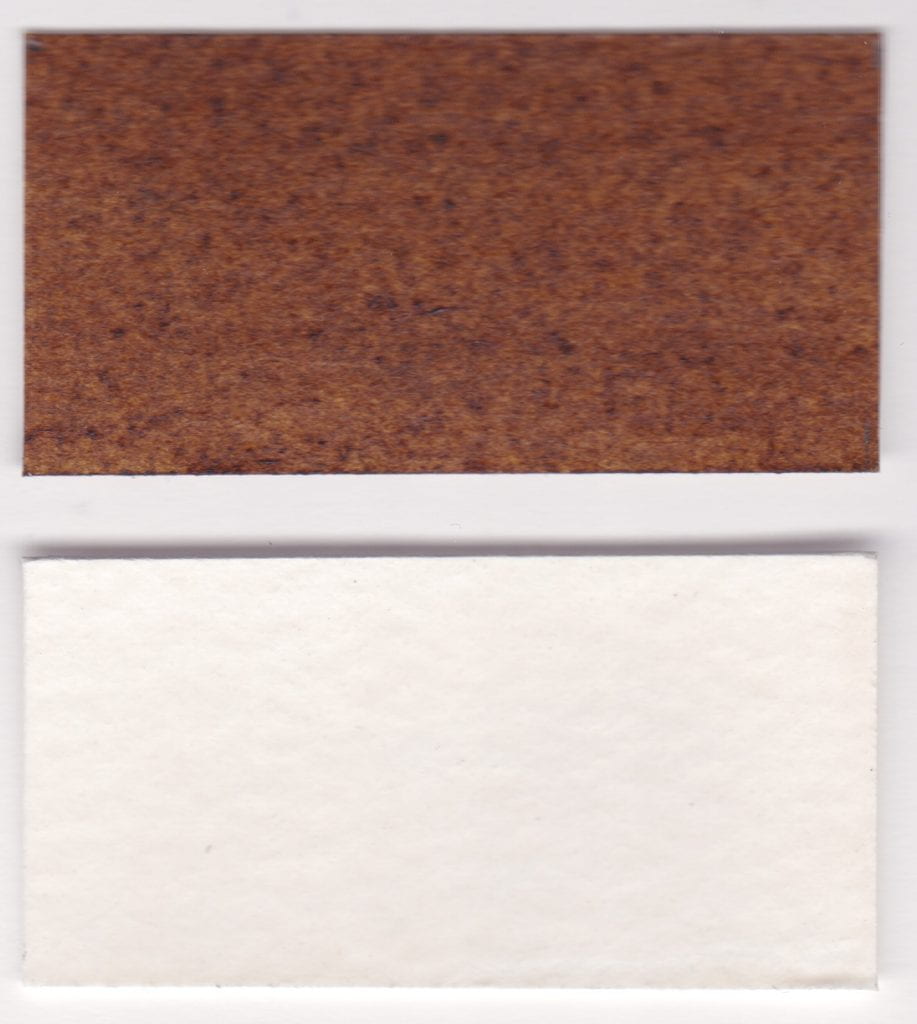
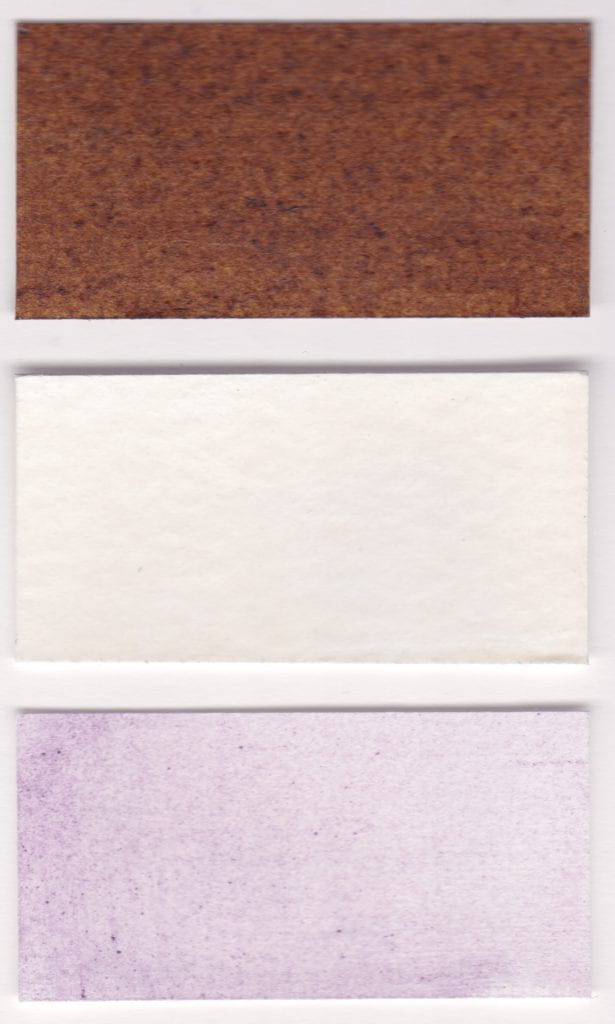
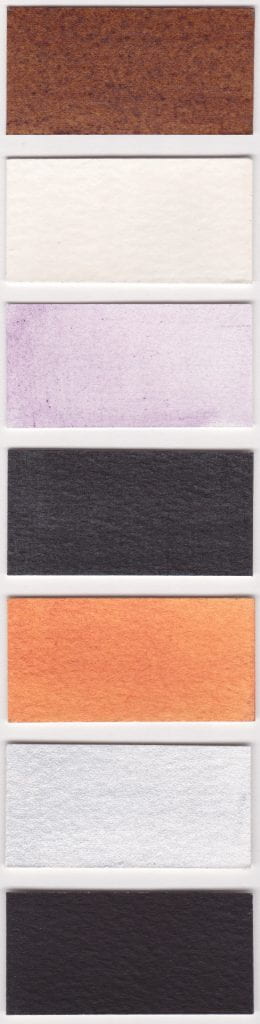
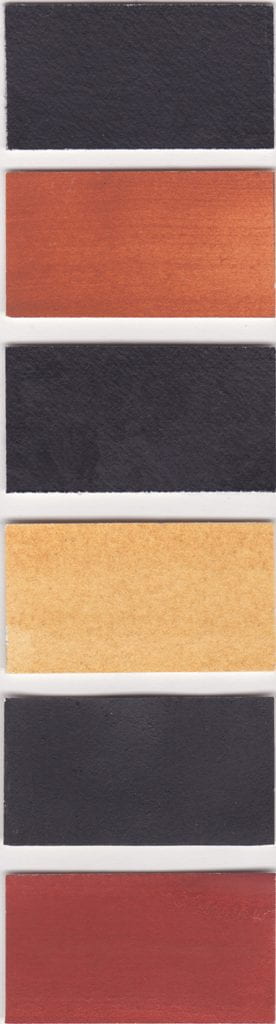
This week’s colours are from the sea and to accompany them you can hear Janet Baker singing ‘Where Corals Lie’. The music is from  Edward Elgar’s Sea Pictures, words by Richard Garnett.

The deeps have music soft and low
When winds awake the airy spry,
It lures me, lures me on to go
And see the land where corals lie.
The land, the land, where corals lie.

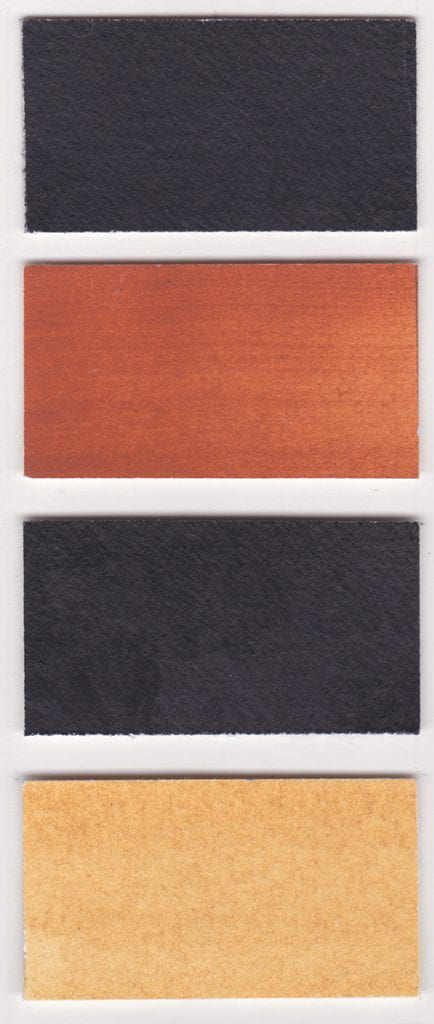
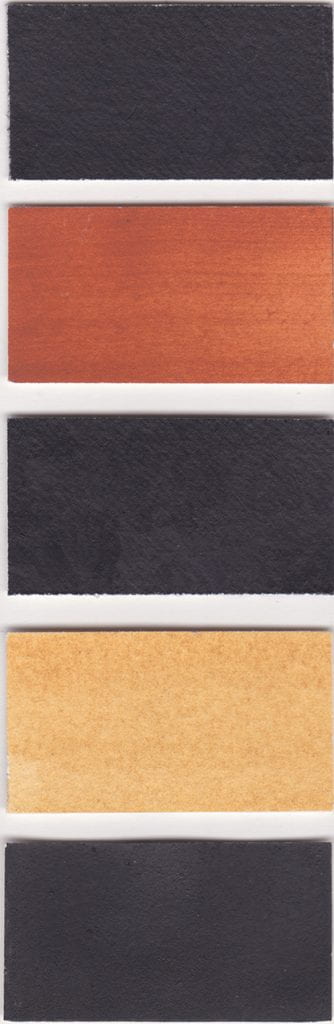
  1. Cuttlefish
  2. Oyster shell
  3. Tyrian Purple
  4. Squid
  5. Coral
  6. Pearl
  7. Octopus


A Colour A Day: Week 7

By Ruth Siddall, on 10 May 2020

A COLOUR A DAY – Week ;  4th – 10th  May

Jo Volley writes……

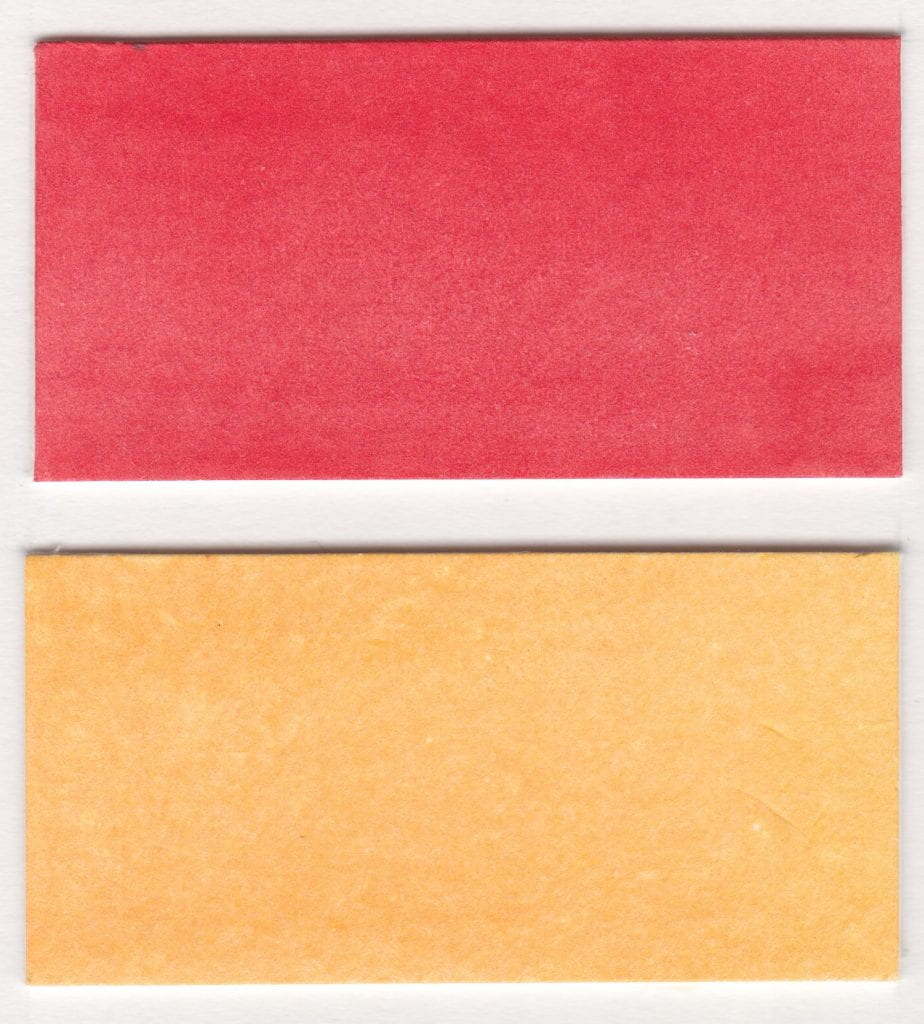
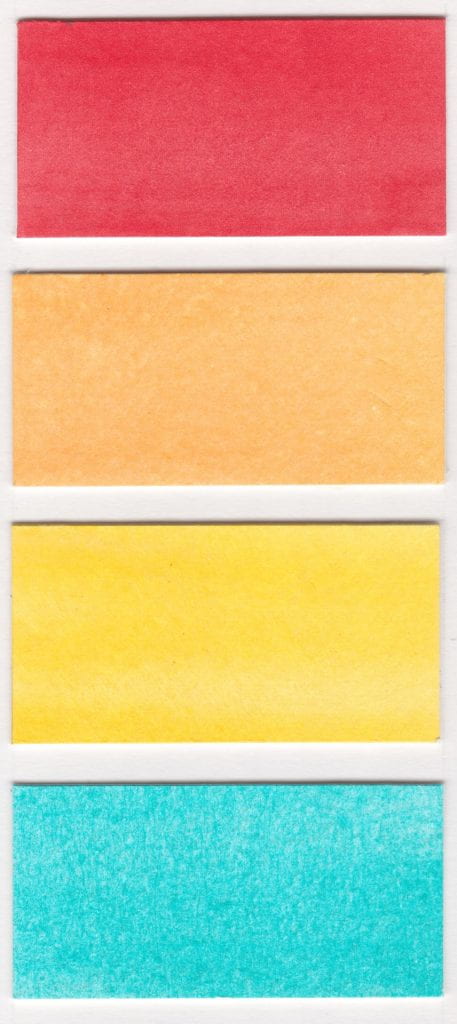
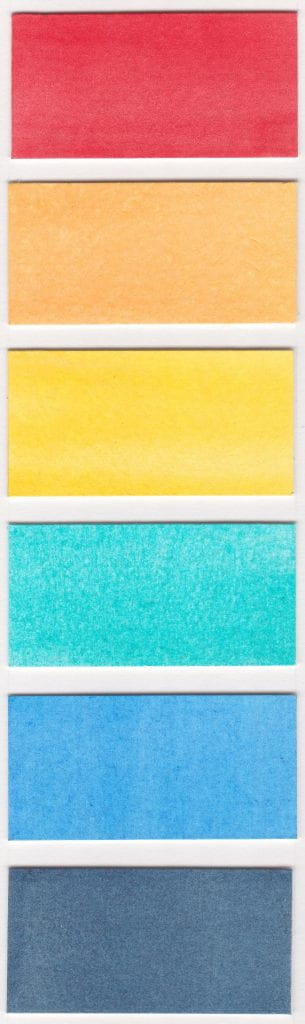
This week’s colours are a homage to our key workers and are from Winsor & Newton’s Professional watercolour range.

The rainbow mirrors human aims and actions. Think,  and more clearly wilt though grasp it, seeing Life is but light in many-hued reflection; Goethe Reflection,Thinking, Mirrors

  1. Cadmium Red
  2. Cadmium Orange
  3. Cadmium Yellow
  4. Cobalt Turquoise
  5. Winsor Blue
  6. Indigo
  7. Dioxazine Violet


Pigment Stories: Eternal Green in Predynastic Egypt

By Ruth Siddall, on 5 May 2020

I’m delighted to welcome Matt Szafran as a guest blogger this week. Matt is an independent researcher in Egyptology, currently studying the manufacture and use of Predynastic Egyptian stone palettes, using a combination of written material study, experimental archaeology, and advanced imaging techniques such as Reflectance Transmission Imaging (RTI). He has published magazine articles and has peer reviewed articles currently in publication. Matt is also presenting an introduction to Predynastic Egyptian palettes for the Egypt Exploration Society‘s current lecture series on 16th May 2020 and he will also be presenting his research on use-wear on Predynastic palettes at this year’s British Egyptology Congress in September.

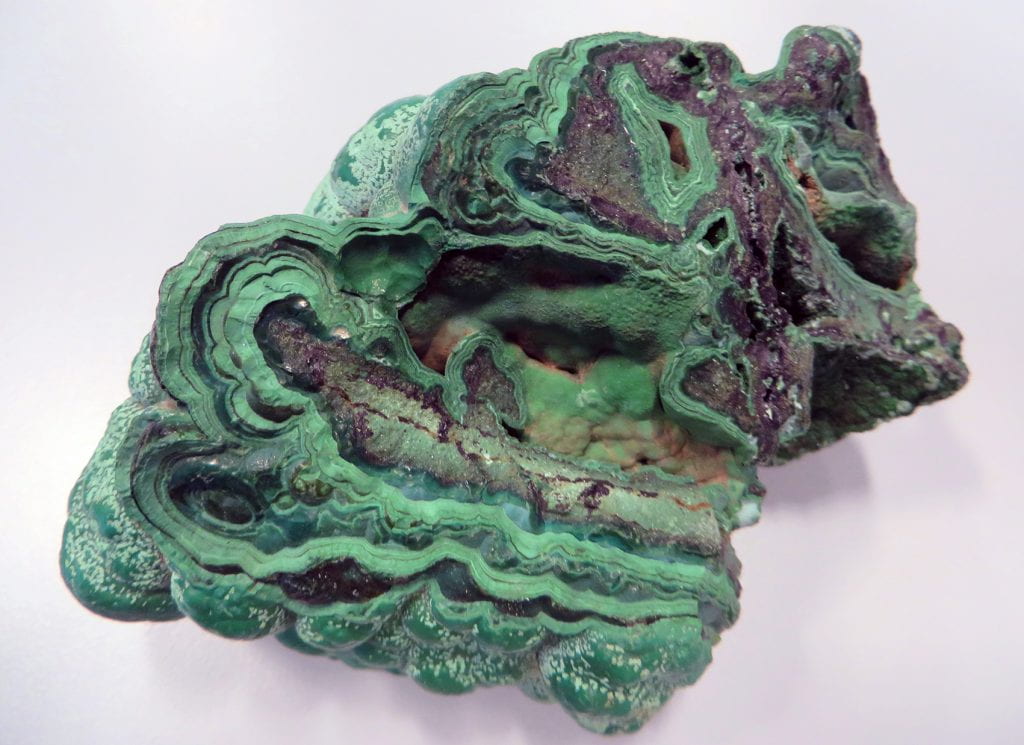
Malachite, a copper carbonate hydroxide [Cu2(CO3)(OH)2] is a naturally occurring mineral formed in the weathered zone of copper deposits. Its a bright green colour, striking in outcrop. It is a mineral that would have stood out in a landscape (with the right geology) and would have been immediately attractive as a mineral with pigment potential.

A mineral specimen of malachite, illustrating its striking colour and typically encrusting habit (photo, Ruth Siddall).

Malachite does indeed have the properties to make a good mineral pigment; it is relatively soft and can be easily ground and it retains its colour when ground (as long as it is not ground too fine). Malachite has been used as a pigment in painting from the Egyptian Dynastic era onwards, and it occurs in all cultures worldwide. However, its use as a cosmetic material is often overlooked and this glimpse of the use of malachite on Egyptian Predynastic palettes is of great interest in terms of providing a more nuanced picture of the use of malachite as a pigment in prehistory.

A photomicrograph of malachite prepared as a pigment and viewed using cross-polarised light (Photo © The Pigment Compendium, 2004).

Over to Matt …

Pigment Processing using Stone Palettes in Predynastic Egypt

To most saying ‘Ancient Egypt’ will conjure images of kings and pharaohs, glittering gold, mummies (especially that of  a certain boy king), temples, and monumental statuary. All of these are from the Dynastic era (c. 3150-30 BCE), with the earlier Predynastic era (c. 6000-3150 BCE) receiving very little attention – in spite of having its own fascinating material culture.

The Predynastic tribes mostly used stone tools, with some copper and copper alloy working, and therefore the most common material remains are pottery, woven baskets, worked stone, beads and stone tools. One of the groups of stone objects, and the third most common object found in burials, is the stone palette. Palettes have been found from different sub-periods within the Predynastic era, however they were all made from the fine-grained greywacke sandstones and siltstones found in the Wadi Hammamat in Egypt’s Eastern Desert. The shape of palettes varied stylistically across each of the different periods of the Predynastic era, with palettes having been found ranging from simple geometrical-shaped forms to animal-shaped silhouettes to later palettes which typically have large, intricately carved surfaces.

Since their rediscovery in the late 19th Century, Predynastic palettes have been associated with the processing of pigments, with the likes of pioneering arcaheologist and Egyptologist Flinders Petrie stating that they were used for processing the copper ore malachite for use in cosmetics. This assertion is in part due to palettes being rediscovered in graves with traces of green staining still remaining on their surface.

Rhomboid-shaped palette in the Bolton Library and Museums collection (accessioned as 1909.76.10).


Fish-shaped palette in the Petrie Museum collection (accessioned as UC4374).

Whilst many scholars repeat 19th Century statements that malachite was ‘ground’ on palettes, experimentation has shown that malachite would in fact be crushed – initially against a large anvil stone and then the resultant crystal shards should be crushed further to a fine powder on the surface of a palette. The malachite needs to be wrapped in fabric or leather; this helps to contain the very flyable shards produced during crushing – something analogous to wrapping biscuits in clingfilm before crushing them to make a cheesecake base. To create the finest possible powder the anvil needs to be as smooth and polished as possible, something for which the surface of a palette is ideally suited.

Crushing malachite against a large sandstone anvil stone, with a handheld limestone hammer stone, to produce small shards and powder.

Once the malachite powder has been obtained, it can be mixed with a base to form a cosmetic or paint. Scholars suggest that this base could have been a drying oil such as linseed or poppy, a lipid (animal fat), or even simply water.

There is no evidence for malachite being used as a paint in the Predynastic period; pottery and other objects of this time only show evidence of ochre or gypsum-based paints. It therefore seems to be logical that malachite was instead only used as a cosmetic and applied to the body. Different scholars have differing ideas on what exactly the use of this malachite application could be. Some have suggested a strictly utilitarian use, with malachite application around the eyes acting as a defence against the sun, for medicinal benefit, or even to ward off flies. Others suggest much more ritualistic uses, with the application of pigments having a tegumentary use and essentially acting as a form of mask. Palettes were not a common item and were likely only owned by the elite members of society, something which would support a more ritualistic use over a purely utilitarian one.

Whilst palettes are typically discussed for processing of malachite, there have been palettes rediscovered with traces of different pigment on their surfaces. It also appears that the difference in pigments is related to their find location, with palettes found in settlement contexts having red ochre staining whereas palettes found in funerary contexts display green malachite staining.

It is impossible to say what the everyday settlement use may have been, however archaeological evidence of the funerary uses does appear to validate Petrie’s initial assertion that palettes were used with a form of eye cosmetic. Human remains found at the site of Aidema still retain malachite residue around their eyes, additionally a painted clay head was found at the site of el-Mahasna (in tomb H.97) which has green malachite around the eyes. This does imply that a part of the funerary ritual could involve the application of malachite pigment, from a stone palette, to the eyes of the deceased. Later Dynastic practices also apply green pigment to the eyes, as a symbol of rebirth, however one should be careful comparing the Dynastic and Predynastic as they are separated by hundreds to thousands of years and it would be logical to expect beliefs and ritual changed over this time.

Whilst there have been several suggestions and interpretations of what palettes may be used for, it is clear that they played a role in the creation and use of pigments. The difference between pigments traces on palettes found in settlement and funerary contexts suggests that palettes held multiple roles in both daily life and also as part of funerary rituals, and that there is likely no single answer to their use. Sadly, we can only speculate on their uses, and we will never know the exact answer of what these objects meant to the people who owned them.

Follow Matt on Instagram and Twitter

To cite this blog:

Szafran, M., 2020, Pigment Processing using Stone Palettes in Predynastic Egypt, The Pigment Timeline Project, UCL Blogs 05/05/2020; https://blogs.ucl.ac.uk/pigment-timeline/2020/05/05/eternal-green-ma…pigment-in-egypt/

A Colour A Day: Week 5

By Ruth Siddall, on 26 April 2020

Jo Volley writes….

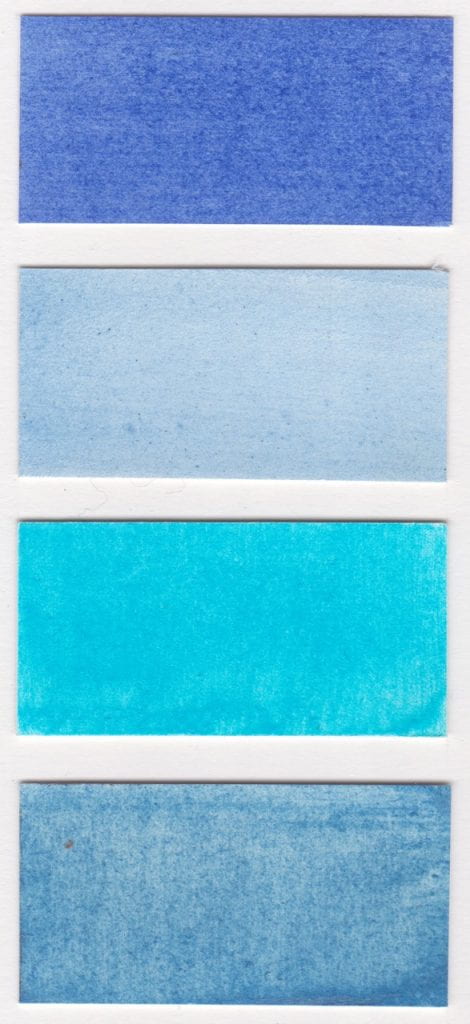
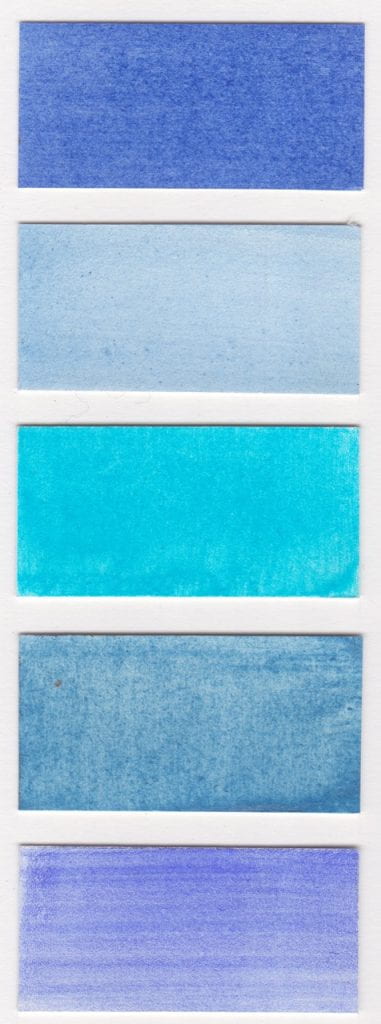
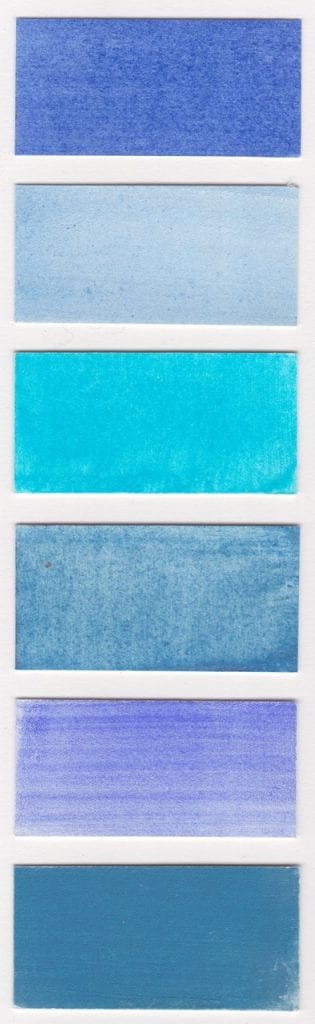
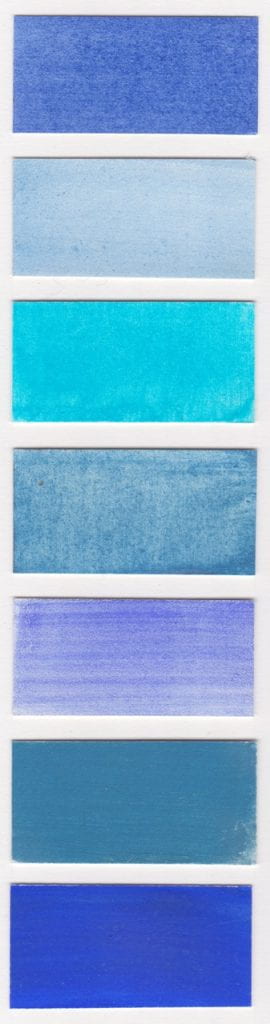
A COLOUR A DAY – Week 5 –-20th  -26th  April  are 7 historic blues bound in gum arabic.

‘We love to contemplate blue, not because it advances to us, but because it draws us after it.’ Goethe

  1. Genuine Ultramarine blue
  2. Ultramarine Ash
  3. Ploss Blue
  4. Egyptian Blue
  5. Han Blue
  6. Azurite
  7. Smalt

A Colour A Day: Week 4

By Ruth Siddall, on 19 April 2020

A COLOUR A DAY – Week 4 – 13th -19th April

Jo Volley writes …

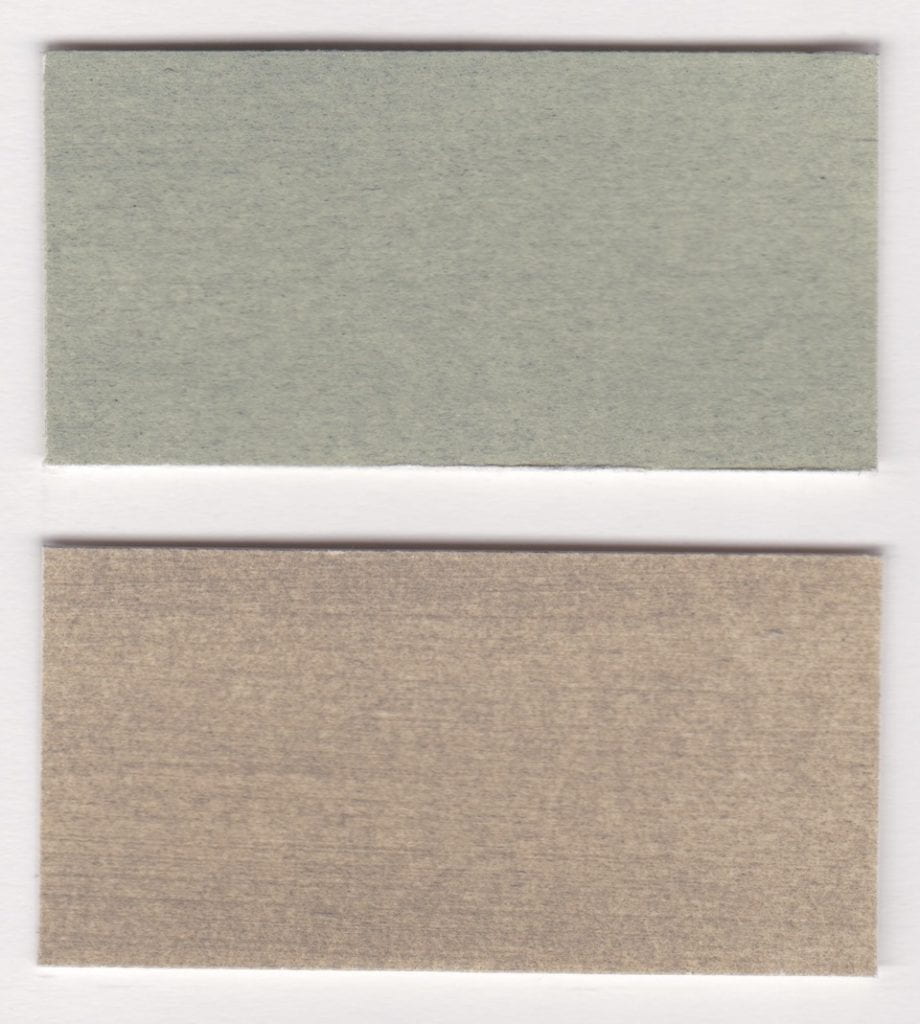
For Week 4, here are 7 green earth pigments from various locations from around the world.

‘I kept putting the same colour on – the same colour, the same colour – but every time I put it on it was different. Each time it was this whole new light/colour experience. It was not a revelation, but a whole wonderful new experience… To me, it involves harnessing some of the powers of the earth. Harnessing and communicating.’  Brice Marden on terre vert

  1. Bavaria
  2. Verona
  3. Cyprus
  4. Austria
  5. France
  6. Russia
  7. Poland

Jo Volley, 19 April 2020

A Colour A Day: Week 2

By Ruth Siddall, on 5 April 2020

A Colour A Day is a year-long project by Jo Volley, which began on the first World Pigment Day, 22 March 2020,  to celebrate one colour each day by recording a swatch. This is the post of colours created for Week 2; 30th March – 5th April.

This week’s contributions are group of colours made from natural sources that Jo has collected and prepared as pigments.

  1. Iron Gall Ink
  2. Hampstead Heath Ochre no.6
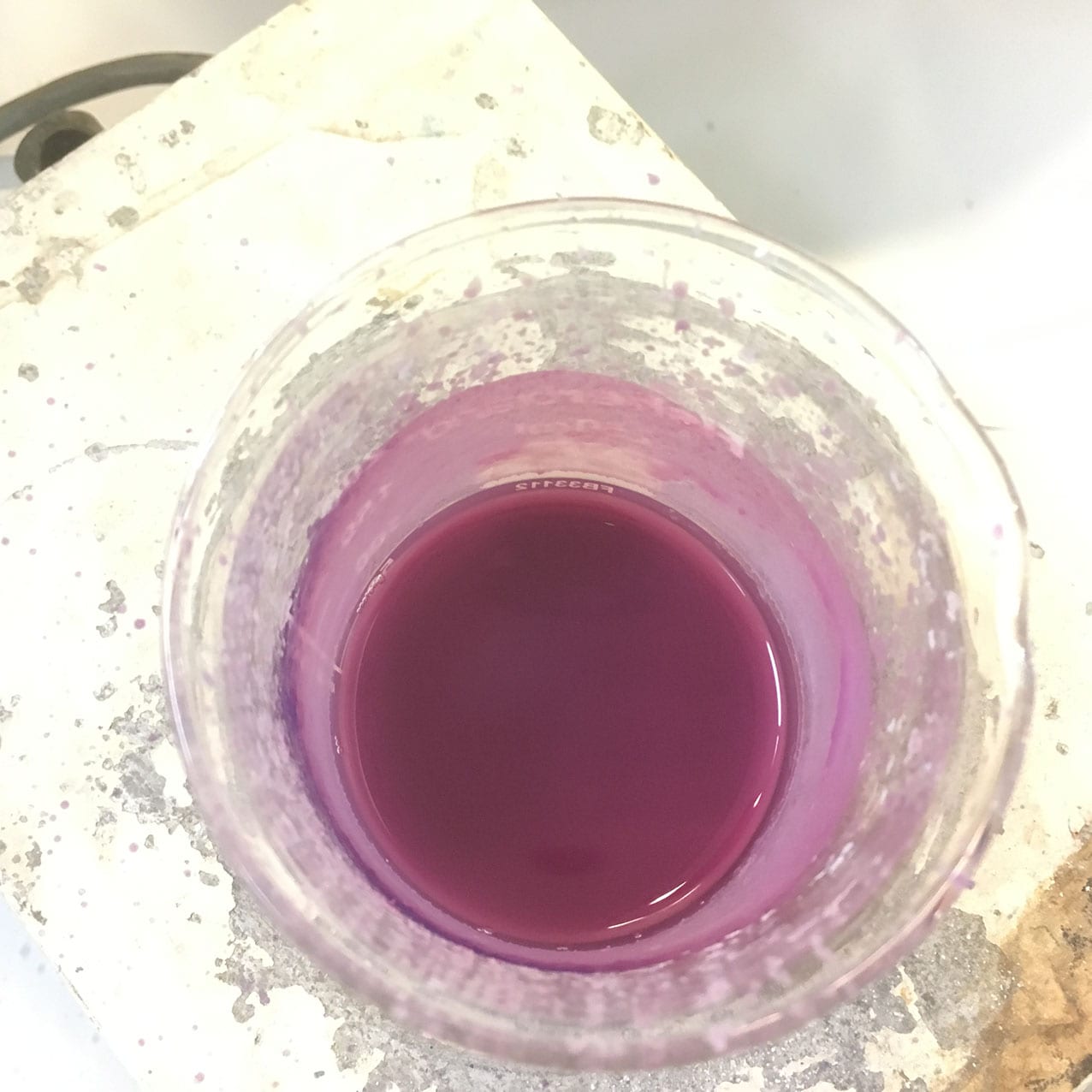
  3. Pomegranate Ink
  4. Hampstead Heath Ochre no.3
  5. Cork Black
  6. Prespes Red Ochre
  7. Bone Black

The Origin of Ochres #1: Interbasaltic Beds

By Ruth Siddall, on 1 April 2020

It is fair to say that ochres and their origins are poorly discussed in the academic geological literature. Though ubiquitous in the landscape, they are largely ignored by most geologists. They occasionally pique the interest of economic geologists but are generally dismissed and shovelled away in favour of something more shiny. Ochres can form in a wide range of geological environments on Earth and indeed, on Mars (there’s a reason it’s red), but in this post I’m going to focus on ochre forming on the weathered surfaces of solidified basalt lava flows (I may get around to writing about other ochre-forming environments in the future). At its simplest, ochre is defined as an earthy deposit predominantly composed of metal-rich oxides or oxide-hydroxides. By far and away, iron ochres are the commonest, but ochres of other metallic elements such as cobalt, nickel, copper etc. can also form. Ochres form in the surface or near-surface environment, in the presence of oxygen and water. Iron ochre formation is accelerated by warmer Mediterranean or tropical climates, and the presence of red rocks is therefore often indicative of past warm climates in the rock record.

The inspiration for this post was a photo (above) posted on Instagram for World Pigment Day by Scott Sutton of an ochre layer between basalt lava flows in the Rio Grande Gorge of New Mexico. This region’s geology is dominated by basaltic volcanism which erupted in the upper Miocene, around 10 million years ago. These eruptions were not like any basaltic volcanism we can observe from active volcanoes anywhere on Earth today. They were large-scale, effusive flows which spread out covering large areas and forming a plateau composed of a thick pile of solidified lava. Such formations are subsequently known as plateau basalts or (continental) flood basalts. The basalts of the Rio Grande Gorge are part of the Taos Plateau Volcanic Field (TPVF). Following the end of volcanism, the Rio Grande cut down through the basalt pile exposing 180 m of section. Scott’s visit into the river gorge and his photograph revealed part of this geological history. The old adage says that if you want to hunt elephants, first you must go to elephant country. The same is true for geological prospecting; horizons forming between successive basalt lave flows are typically ochre-rich, and therefore these are good places to go pigment hunting. Certain types of rocks form in certain regions, and their occurrence is generally controlled, ultimately, by the regional plate tectonic environment. The kind of basalts that are erupted into rift valleys – areas of continental extension, which is the setting of the Rio Grande – are typically iron-rich. Most basalts contain significant iron, but continental flood basalts are the richest. When they cool and become weathered, ideally in a warm, wet climate, they produce iron-rich soils; ochres. These ochres are then sealed and preserved by the next lava flow that covers them. Later in their geological history, these so-called interbasaltic beds can be further weathered and the ochre more concentrated by groundwaters which percolate through these porous layers. Layers of basalt are impervious.

This series of geological logs, from a guide to the Rio Grande basalts by Dungan et al. (1984), shows how the individual basalt flows (white) are interlayered with sediments, including ochre palaeosols (stippled). Like so many other papers on this subject, the authors record much about the basalts and little, if anything is said about the ochres.

In the British Isles the British Tertiary Volcanic Province (BTVP) is a series of flood basalts formed as the North Atlantic Ocean opened around 60 million years ago. Most famously, these are exposed in Northern Ireland on the Antrim Coast where they form the Giant’s Causeway. This basalt pile is famous for its ochreous interbasaltic horizons and is the one place where a series of papers have been published on ochre formation. Although several ochre-rich interbasaltic horizons occur between the flows of the Antrim plateau basalts, there is one 30 m thick horizon of weathered basalt and associated palaeosols which has attracted attention for many years. It is known as the Inter-Basaltic Formation (IBF) and the ochres, known locally as boles (a good painter’s term) are mostly laterites, that is aluminium and iron-rich ochres (aluminium-rich ochres are known as bauxites), The main aluminium mineral present is gibbsite. Laterites are typically orange in colour. Yellow goethite and red hematite iron ochres also occur here, along with purple-coloured ‘lithomarge’ which is rich in clay minerals and hematite.

The Antrim Basalts from an early publication by Cole et al. (1912). The huge Bole Bed is inexpertly marked out in (appropriately) red paint.

The analyses carried out on the Antrim ochres suggests they formed in warm, wet and occasionally hot, arid climates in the early Palaeogene. Similar horizons are also found in India’s Deccan Traps flood basalts.

A figure from Ghosh et al. (2006)’s paper on the boles of the Deccan Traps; interbasaltic ochre beds formed here in very similar climatic conditions to those of the Antrim Basalts. This 2 km thick pile of basalt flows was erupted towards the end of the Cretaceous, 66 million years ago. 

Basalts are composed of three main minerals, olivine, pyroxene and plagioclase feldspar. The iron minerals are produced from the breakdown of olivine and pyroxenes, whereas the aluminium-rich laterites and bauxites form due to the breakdown of the feldspars.  Hematite (iron oxide) and goethite (iron oxide hydroxide) are the main and most stable iron ochre constituent minerals. Gibbsite (aluminium hydroxide) is the predominant mineral in laterites and bauxites.

You don’t need huge plateau basalts to find ochreous interbasaltic beds. You can find them on most volcanoes that have erupted basalt. These examples below are in the lower eruptive sequences of the Greek volcanic Island of Thira (Santorini). The reddened layers are clearly seen between the layers of grey-black basalt.

A view towards Firostefani on the Santorini Archipelago. You can see the reddened ochre layers between the grey coloured basalts.

Follow Scott Sutton on Instagram, and visit his webpage here.

Download this article as a pdf document


References and further reading

Cole, G. A. J., Wilkinson, S. B., McHenry, A, Kilroe, J. R., Seymour, H. J., Moss, C. E. & Haigh, W. D., 1912, The interbasaltic rocks (iron ores and bauxites) of North East Ireland., Memoirs of the Geological Survey of Ireland., Dublin, Ireland, 143 pp.

Dungan, M. A., Muehlberger, W. R., Leininger, L.,  Peterson, C., McMilan, N. J., Gunn, G.,  Lindstrom, M. & Haskin, L., 1984, Volcanic and sedimentary stratigraphy of the Rio Grande gorge and the late Cenozoic geologic evolution of the southern San Luis Valley., in: Rio Grande Rift (Northern New Mexico), Baldridge, W. S.; Dickerson, P. W.; Riecker, R. E.; Zidek, J.; [eds.], New Mexico Geological Society 35th Annual Fall Field Conference Guidebook, 157-170

Ghosh, P., Sayeed, M. R. G., Islam, R. & Hundekari, S. M., 2006, Inter-basaltic clay (bole bed) horizons from Deccan traps of India: Implications for palaeo-weathering and palaeo-climate during Deccan volcanism., Palaeogeography, Palaeoclimatology, Palaeoecology 242, 90–109.

Hill, I. G., Worden, R. H. & Meighan, L G. 2001, Formation of inter basaltic laterite horizons in NE Ireland by early Tertiary weathering processes. Proceedings of the Geologists’ Association, 112, 339-348.

Ruffell, A., 2016, Do spectral gamma ray data really reflect humid–arid palaeoclimates? A test from Palaeogene Interbasaltic weathered horizons at the Giant’s Causeway, N. Ireland., Proceedings of the Geologists’ Association., 127, 18-28.

Pigment Stories: Sarah Needham’s Graphite

By Ruth Siddall, on 25 March 2020

Graphite is a naturally occurring mineral pigment, a form of  carbon, which occurs in geological environments which have undergone high temperature metamorphism or where there has been precipitation of elemental carbon from fluids. Vein carbon deposits are regarded as exceptionally pure. Graphite has been used as the main pigment for pencils. A lode of graphite was discovered in Seathwaite in the English Lake District in the 16th Century, when it was assumed to be lead (plumbago) because of it’s sub-metallic, silver grey lustre. Graphite has a very high specific heat capacity (as opposed to the metal lead), so it was initially used for moulds for casting cannon balls. The graphite pencil was exclusively manufactured in Britain because of the particular quality of the Seathwaite deposits, but they were relatively rare. The uniqueness of the Seathwaite deposit was that it could be sawn into square-section rods which could be used for drawing. Most artists and draughtsmen were using silverpoint for drawing at the time and this continued to be used until the mid 19th Century when the ruction of graphite pencils became universal.

For World Pigment Day, artist Sarah Needham wrote about a graphite pigment made from graphite rods used in the steel-making industry.

“I’m really interested in the way that pigments leave traces of our history and human interconnectedness across time and geography. The pigment in these videos is graphite, recovered from graphite rods my Uncle bought at auction when the steel works in a North Yorkshire town were closed down. This is a particular incidence of history that is close to my very own personal history, firstly because my uncle found them, and secondly because on the other side of the family there is a history of stainless steel cutlery making. The industrial graphite took some pounding to get into powder form and I did this by covering it in a cloth before pounding it.

More often I look for pigments that play a role in historical events which have resonance with current events. For example my recent collection From Alchemy to Chemistry uses pigments that were synthesised as a result of chemical analysis, to replace older natural pigments, in the industrial revolution. The connection being an era when technological change revolutionised our ways of being, living, doing and seeing…just like the technological revolutions of
today.”

What exactly are graphite rods? They are used in the steel industry for a stainless steel making technique called the electric arc furnace (EAF) process and for refining the final product (turning steel into stainless steel) in blast furnace processes. The latter were those most probably used by Sarah’s ancestors. Graphite rods are used as electrodes as they can carry huge amounts of electric current. They are made by mixing graphite and pitch and then placing this mixture into tubular moulds. These are then heated so that the pitch turns to coke, this mixture is then heated to extremely high temperatures, in modern process, these are typically 3,000 °C, so that the entire mix of hydrocarbons is reduced to pure graphite.

Follow Sarah Needham on Instagram.

Earth Blue – a guest blog by Professor David Dobson

By Ruth Siddall, on 7 May 2019

Professor David Dobson was UCL Slade School Scientist in Residence for 2017-2018. Intrigued my the media coverage that the development of the new YIn Mn Blue pigment made in 2017, David was moved to make his own blue and think more about blue minerals in the Earth. David has recently been interviewed in Science Magazine by Kai Kupferschmidt.

David writes …

We live on the blue planet. Blue is so common in our everyday experience that we don’t even notice it. The sky is blue due to light scattering and water absorbs short wavelengths of the visible spectrum making it a pale blue.  But blue minerals are rare; so much so that in medieval and renaissance time blue pigments were reserved for God and the saints.  Most mineral colouration comes from small amounts of transition metal impurities in the mineral structure.  This class of element can exist in several different electrical charge states and the hopping of electrons from one transition metal ion to another causes absorption of light in the visible spectrum and hence colour.

Iron, with allowed charges of 2+ or 3+, is the most common transition metal and so most minerals display the colours associated with electron hopping between 2+ and 3+ iron – red or brown when 3+ dominates and green when 2+ dominates. But deep in the Earth’s interior, at pressures of 180 to 230 thousand atmospheres the most common mineral, ringwoodite, is a rich royal blue. Once again, water is responsible, at least in part. In this case water is incorporated into ringwoodite as protons (H+ ions) and it substitutes for the main cations, Mg2+ or Si4+. In order for a stable substitution in a crystal lattice the charges must balance – you can’t replace one silicon (Si4+) ion for just one proton because the crystal would be left with an excess negative charge which would blow it apart.  Instead the proton is accompanied by an iron ion to make a [Fe3+H+] substitution on the silicon site.  This pushes the iron into a much smaller site than it usually occupies, surrounded by only 4 oxygen (O2-) ions rather than the usual 6 oxygens.  This in turn changes the energy of charge transfer electron hopping transitions between iron 2+ and 3+ ions, making ringwoodite blue rather than brown. This [Fe3+H+] substitution is such a good fit in the silicon site that, if all the ringwoodite in the Earth had as much water as possible in its structure (and that is a BIG if), there could be as much as 4 time the entire volume of the oceans locked up as structurally bound water in the Earth’s mantle and Earth’s interior would be as blue as its exterior.

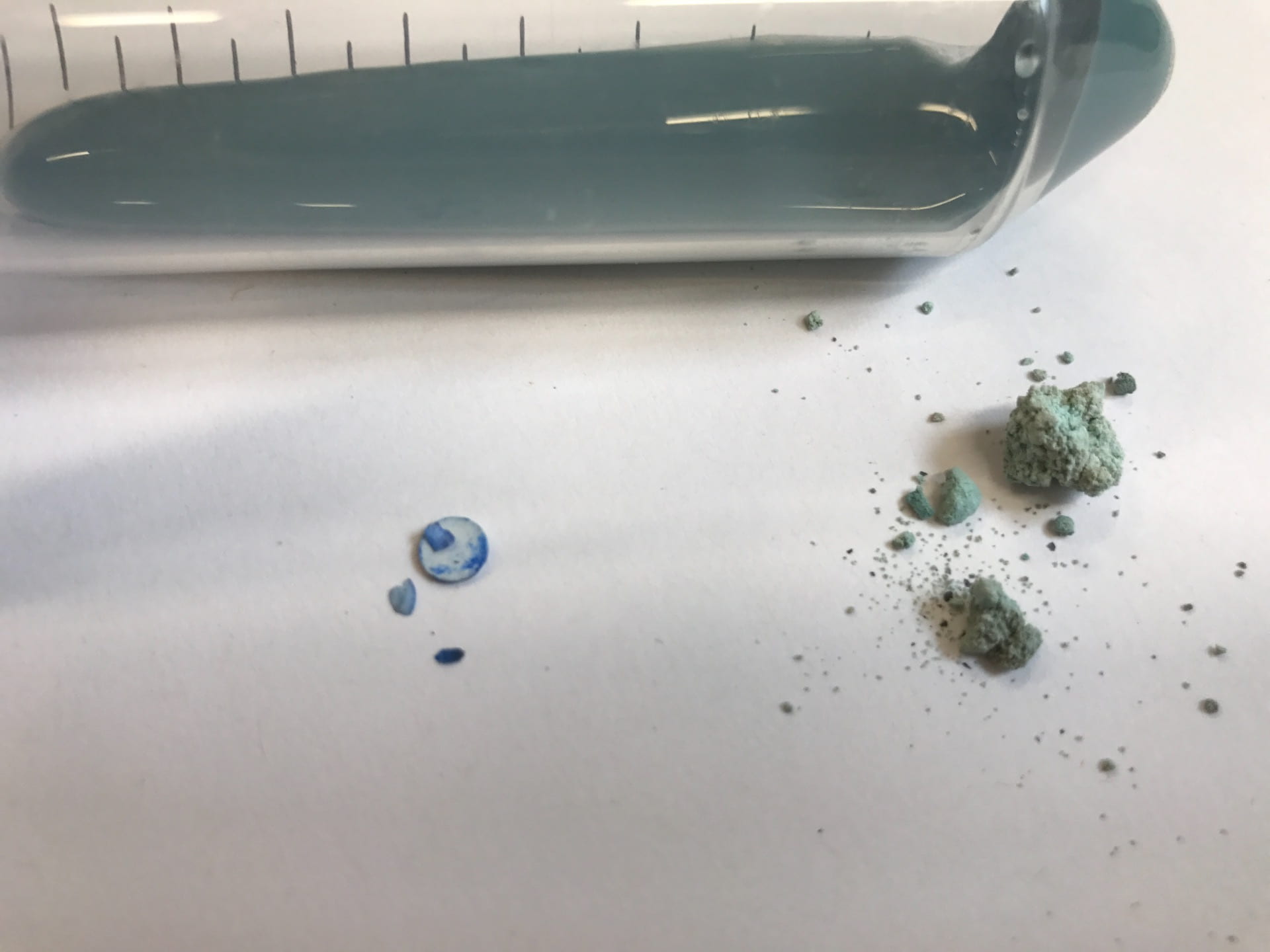
Here in UCL Earth Sciences we are attempting to develop synthetic structures which mimic the unusual ferric iron structure of ringwoodite but which are stable at atmospheric pressure.  So far we have shown that we can make blue pigments from iron-bearing oxides and are now investigating how much Fe3+ the structures can take before they become unstable.  That will determine just how blue we can make them. The prospects are bright…blue.

Ringwoodite synthesised at 20 GPa and containing 10% iron


David’s new blue, with about 0.3% iron


Three blues created by Fe2+-Fe3+ charge transfer: vivianite (in the centrifuge vial), (on the left) my Fe-bearing zinc germanate with Fe from 0 to 0.3% and (on the right) a Fe-dopes zinc silicate.
 

Photoblog: Colour and Poetry and The Nomenclature of Colours

By Ruth Siddall, on 22 March 2019

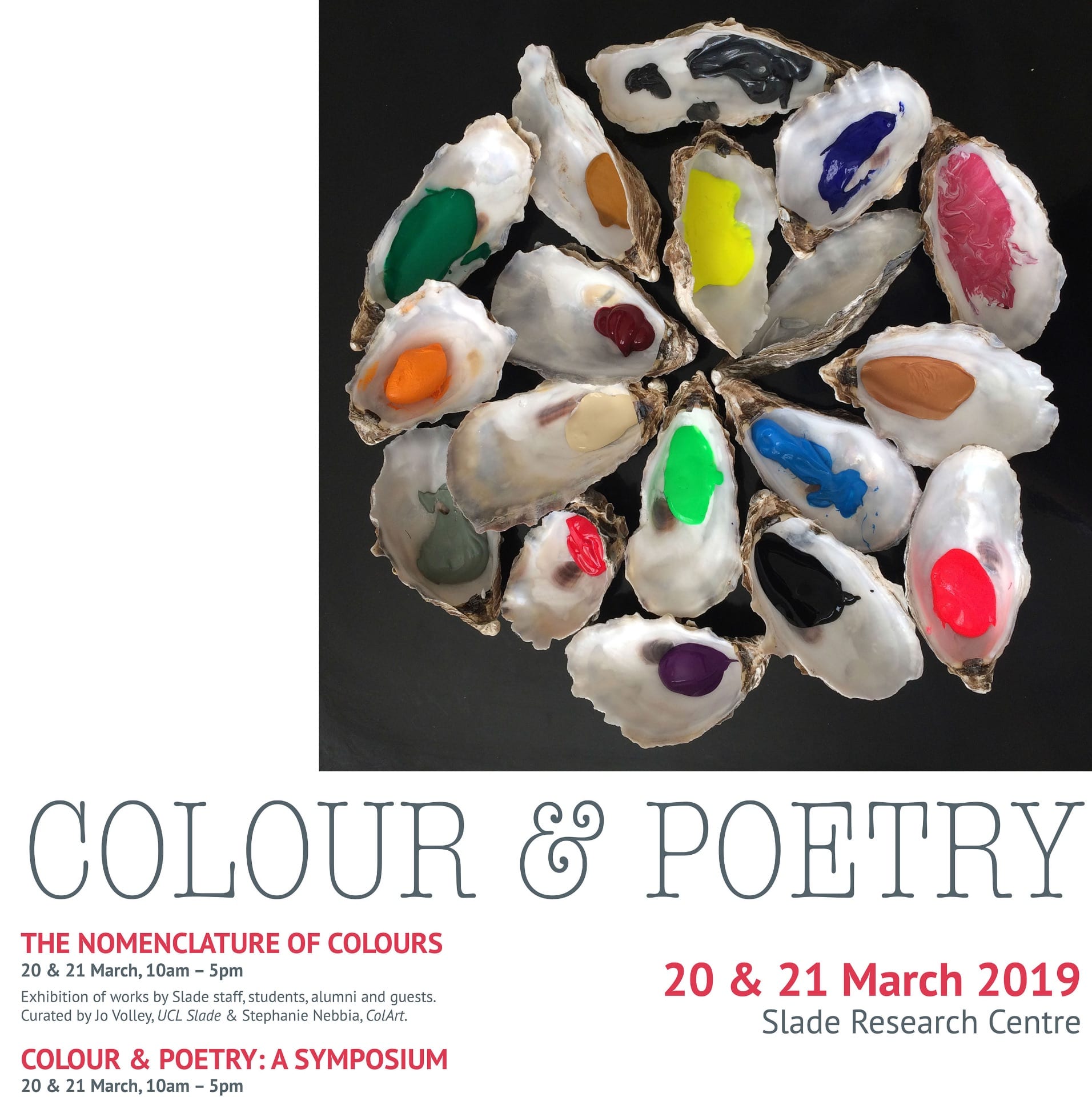
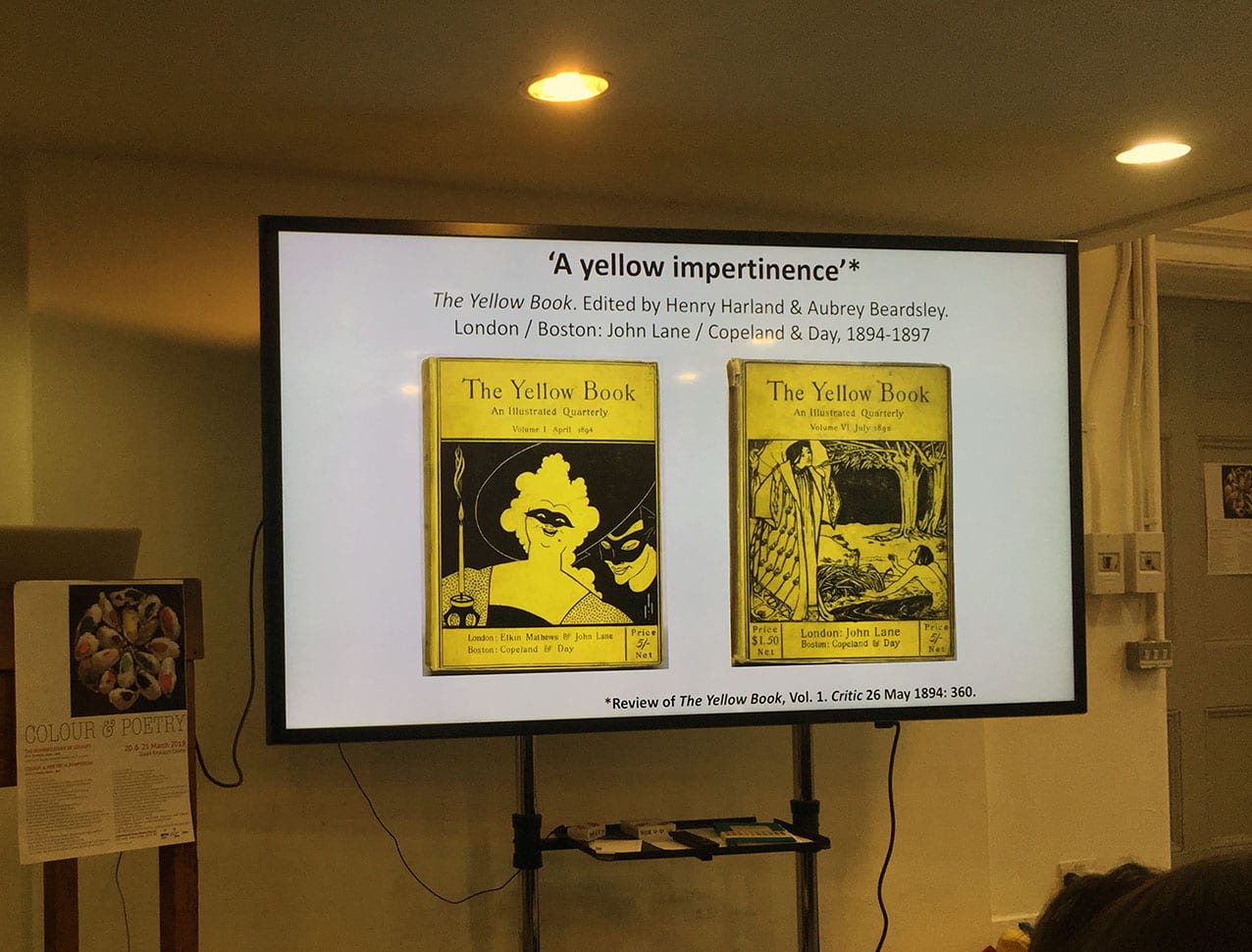
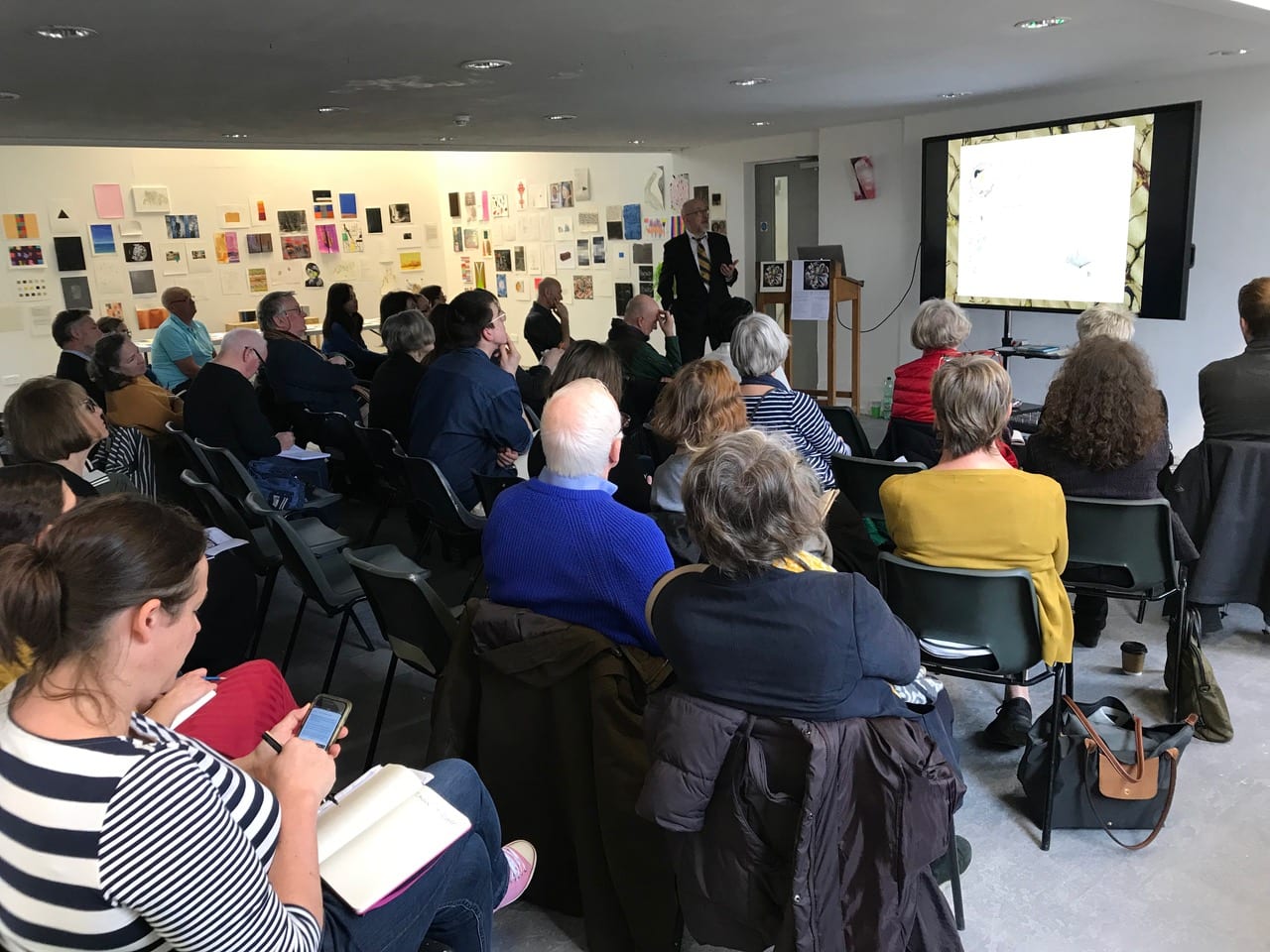
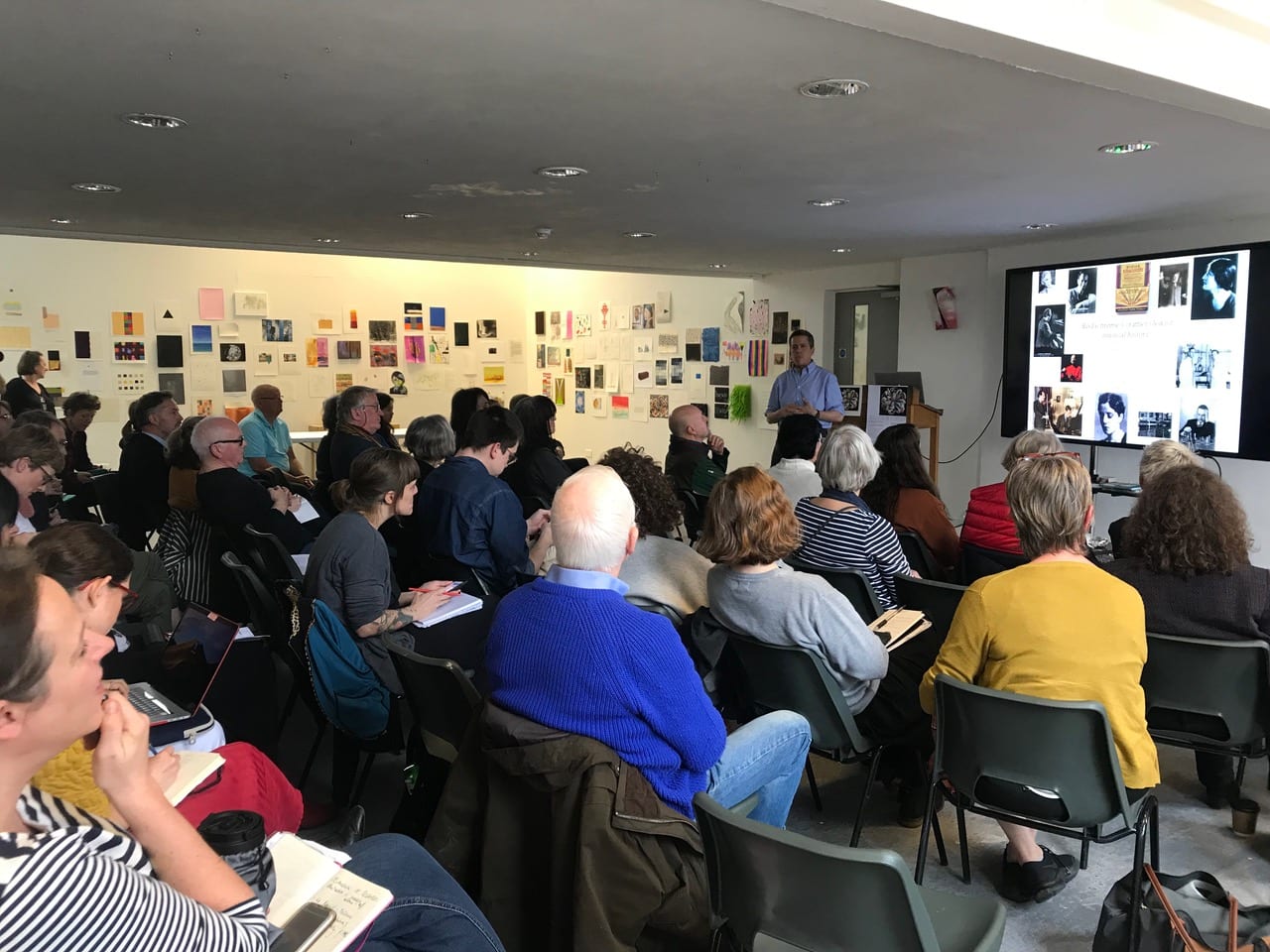
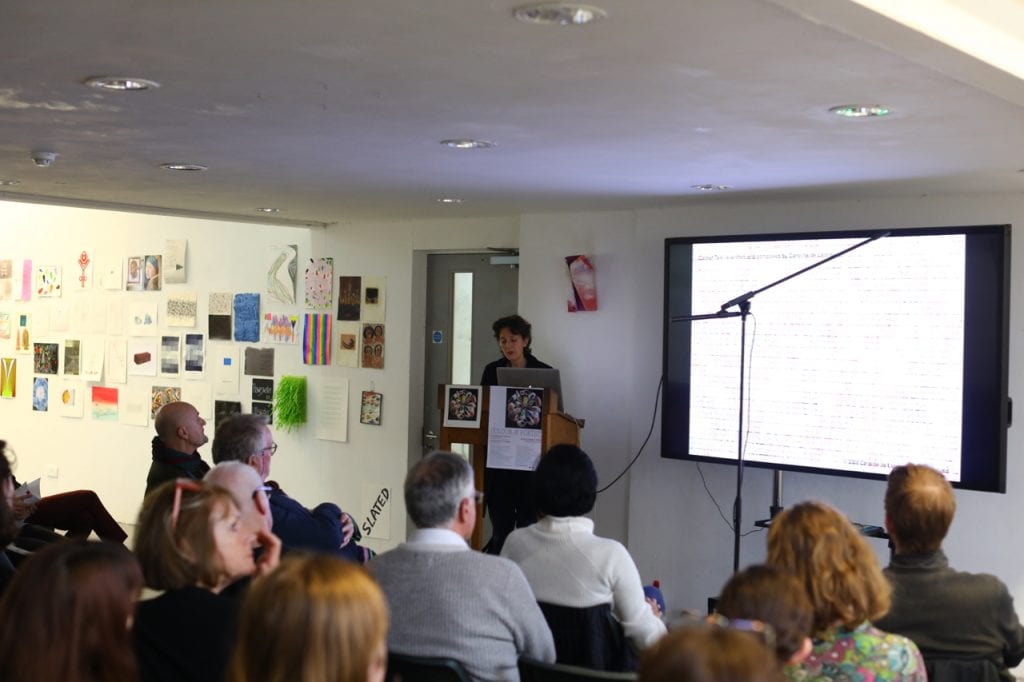
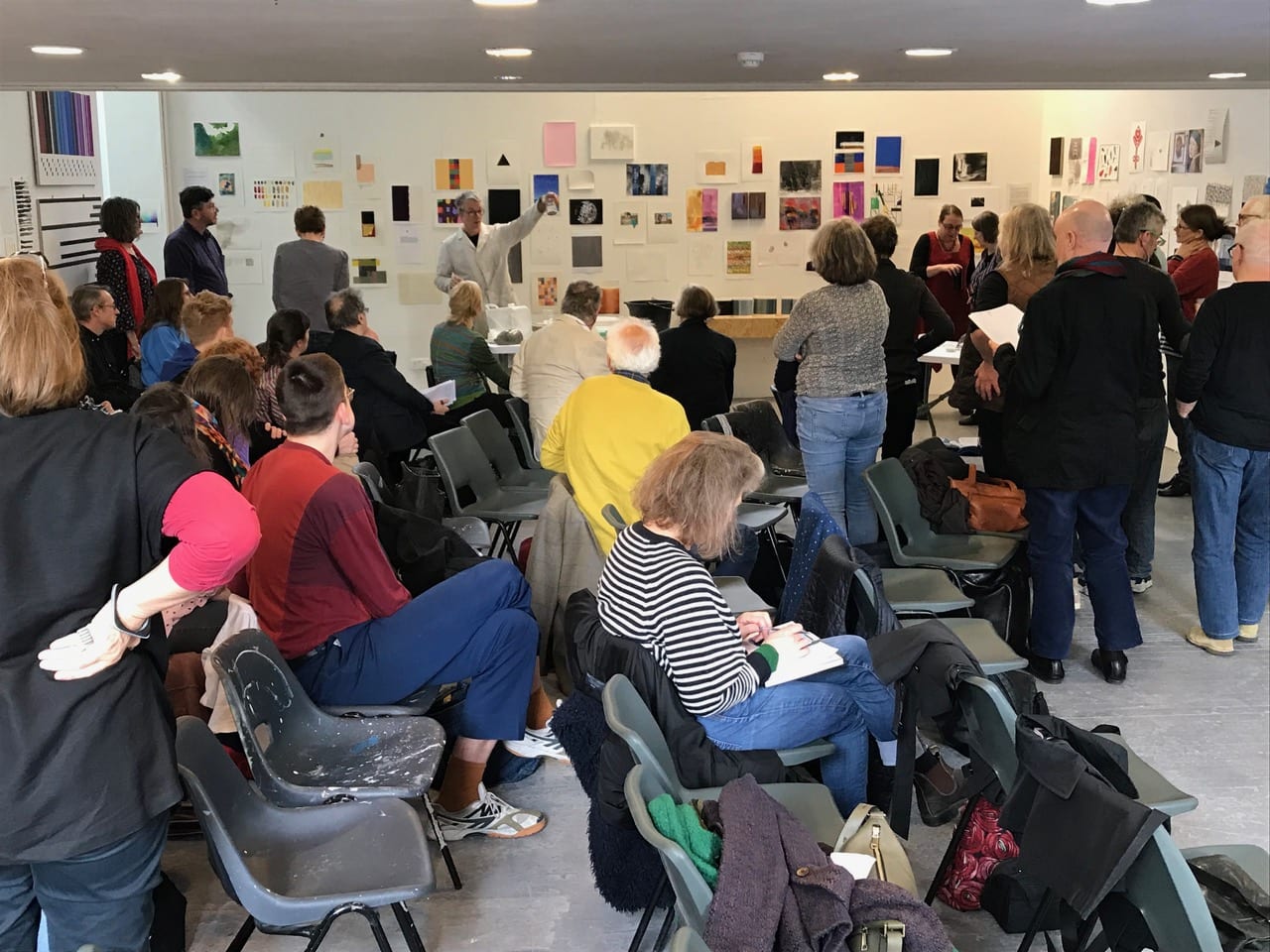
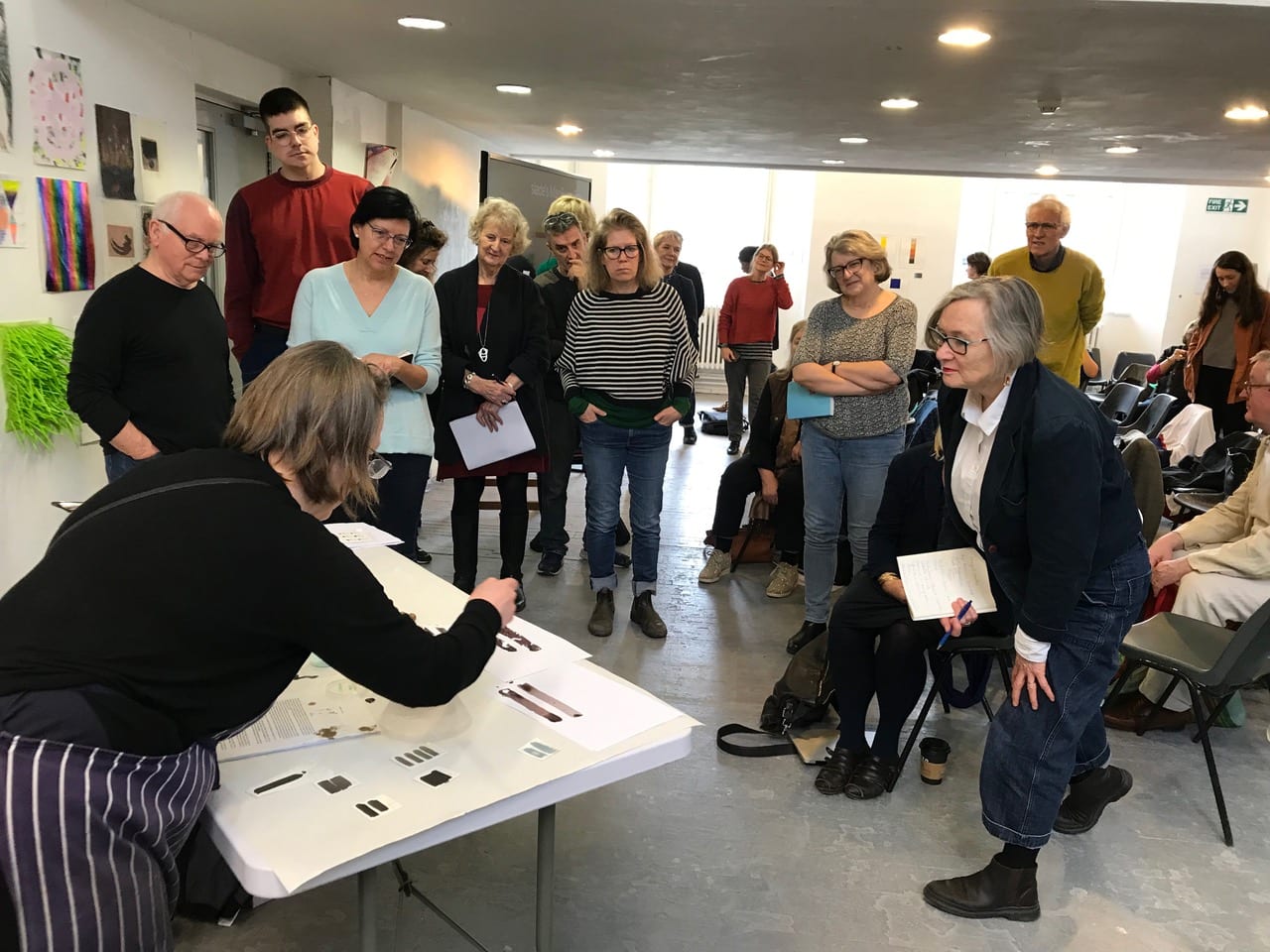
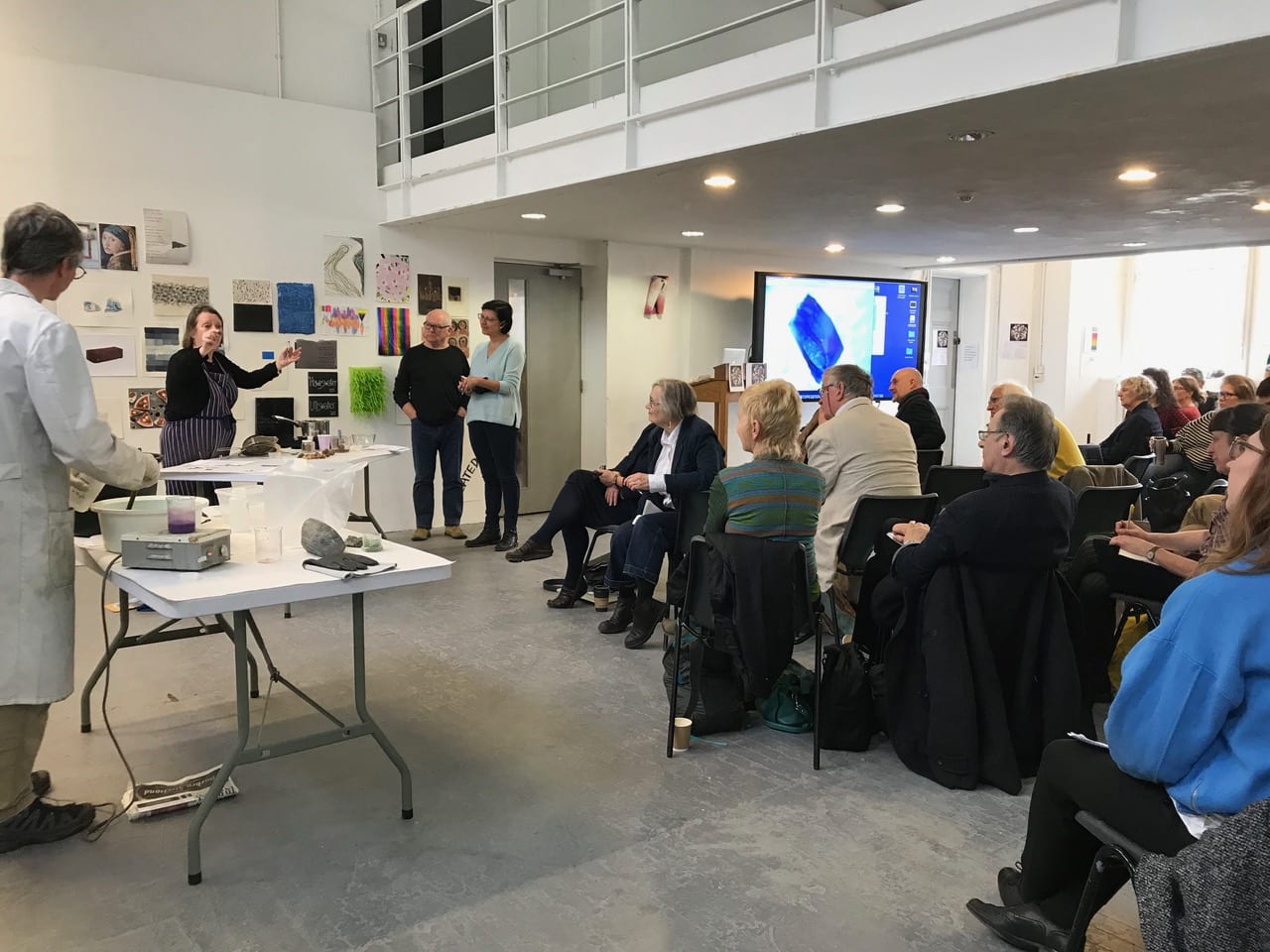
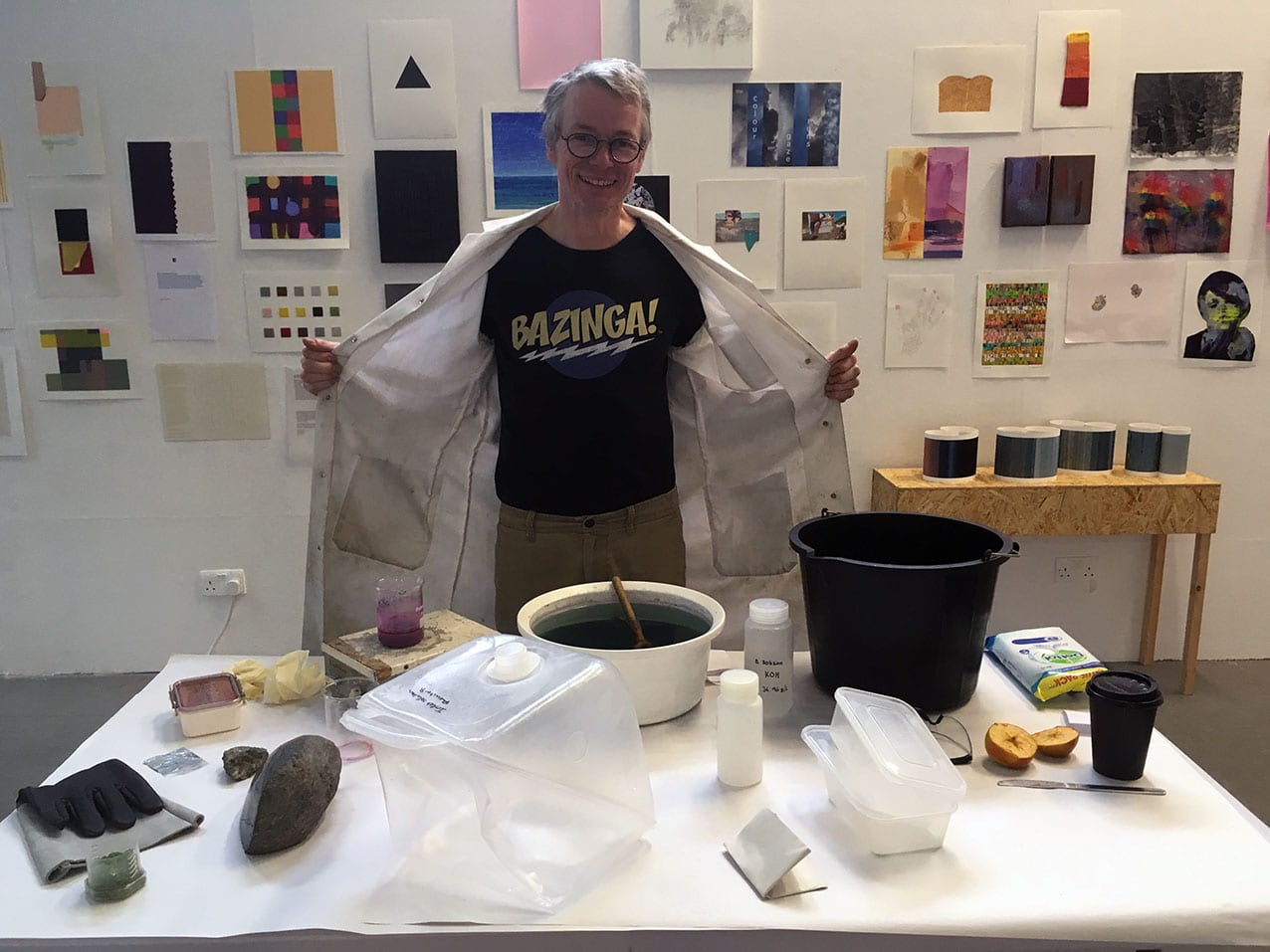
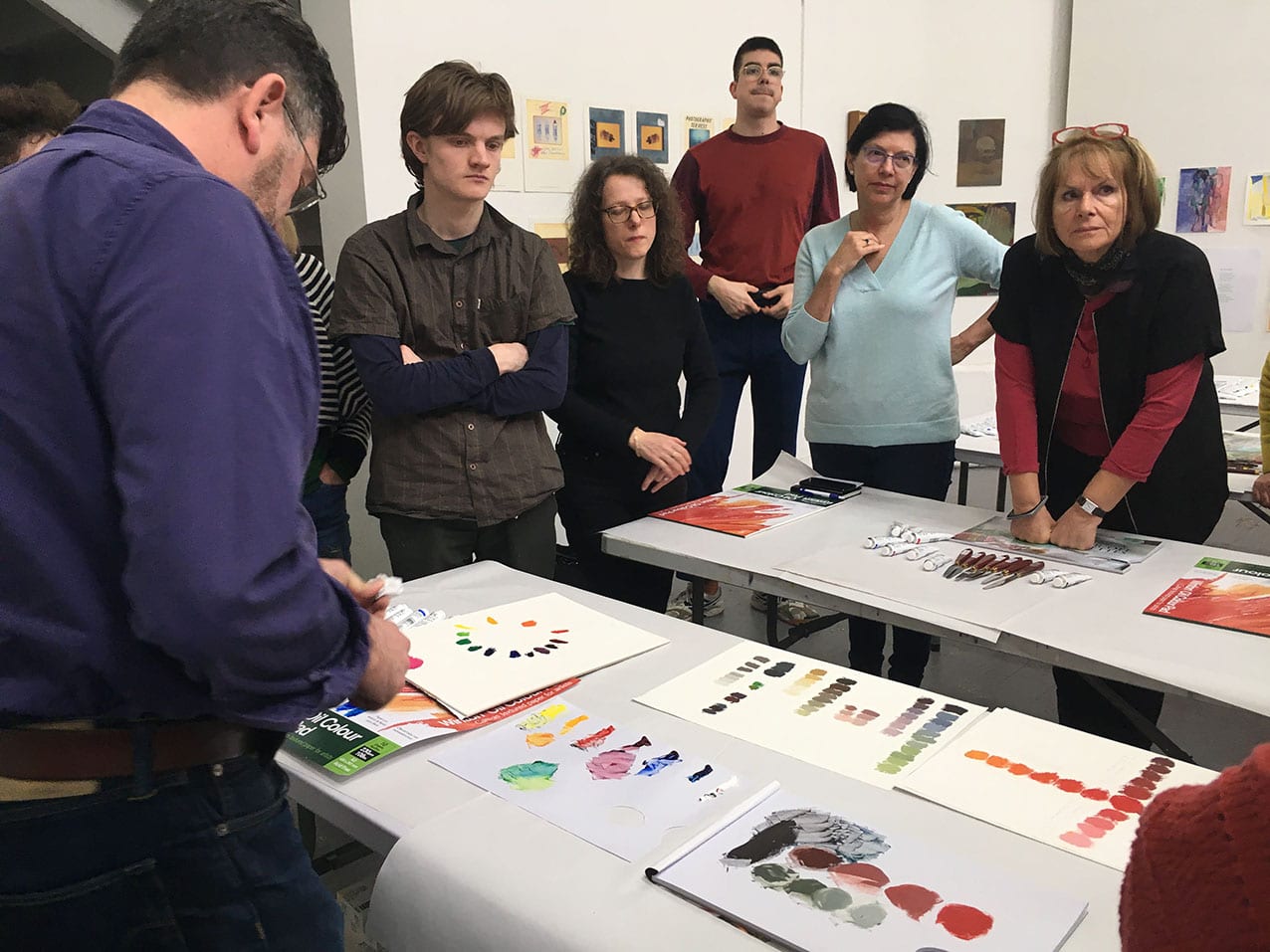
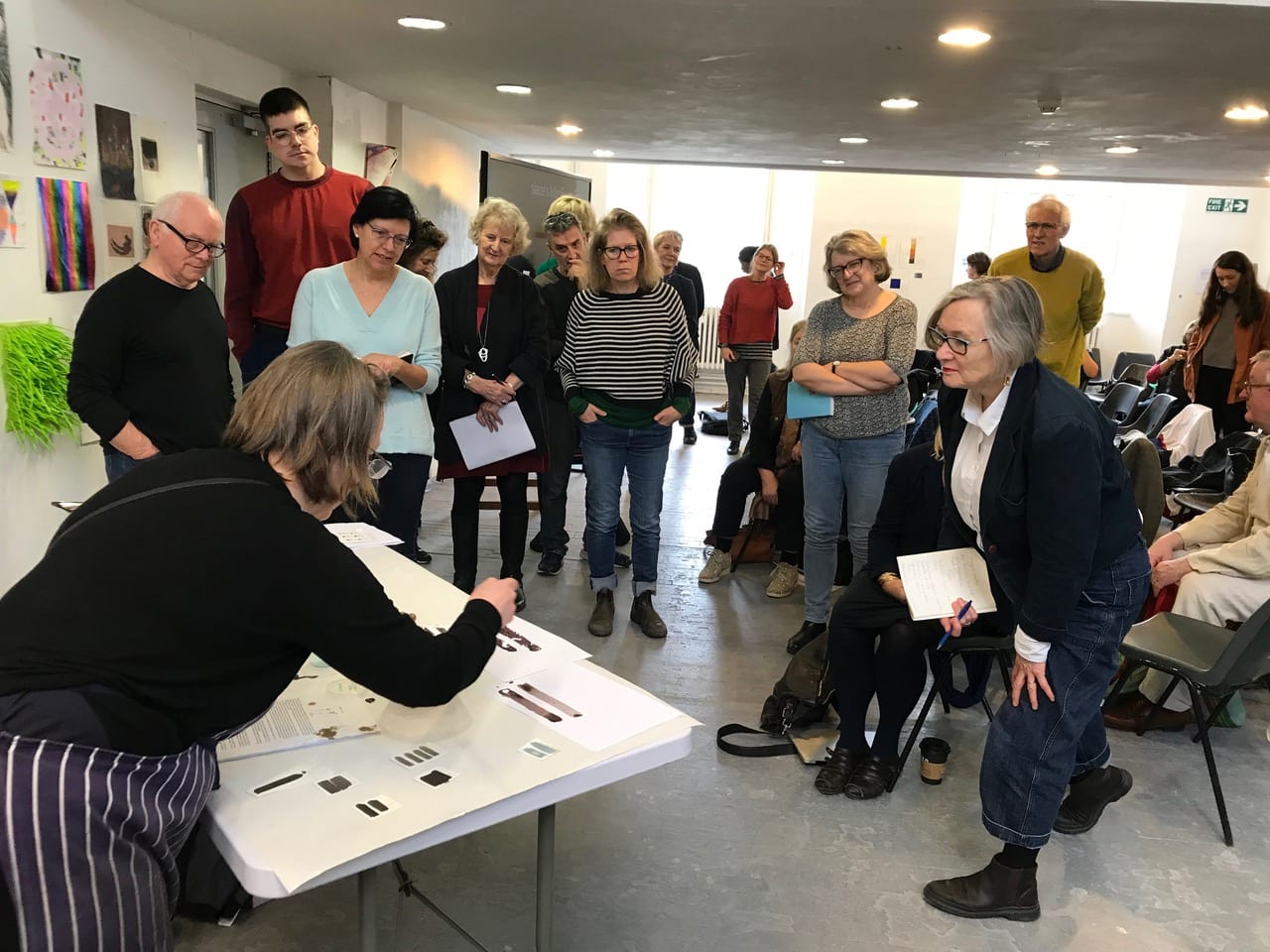
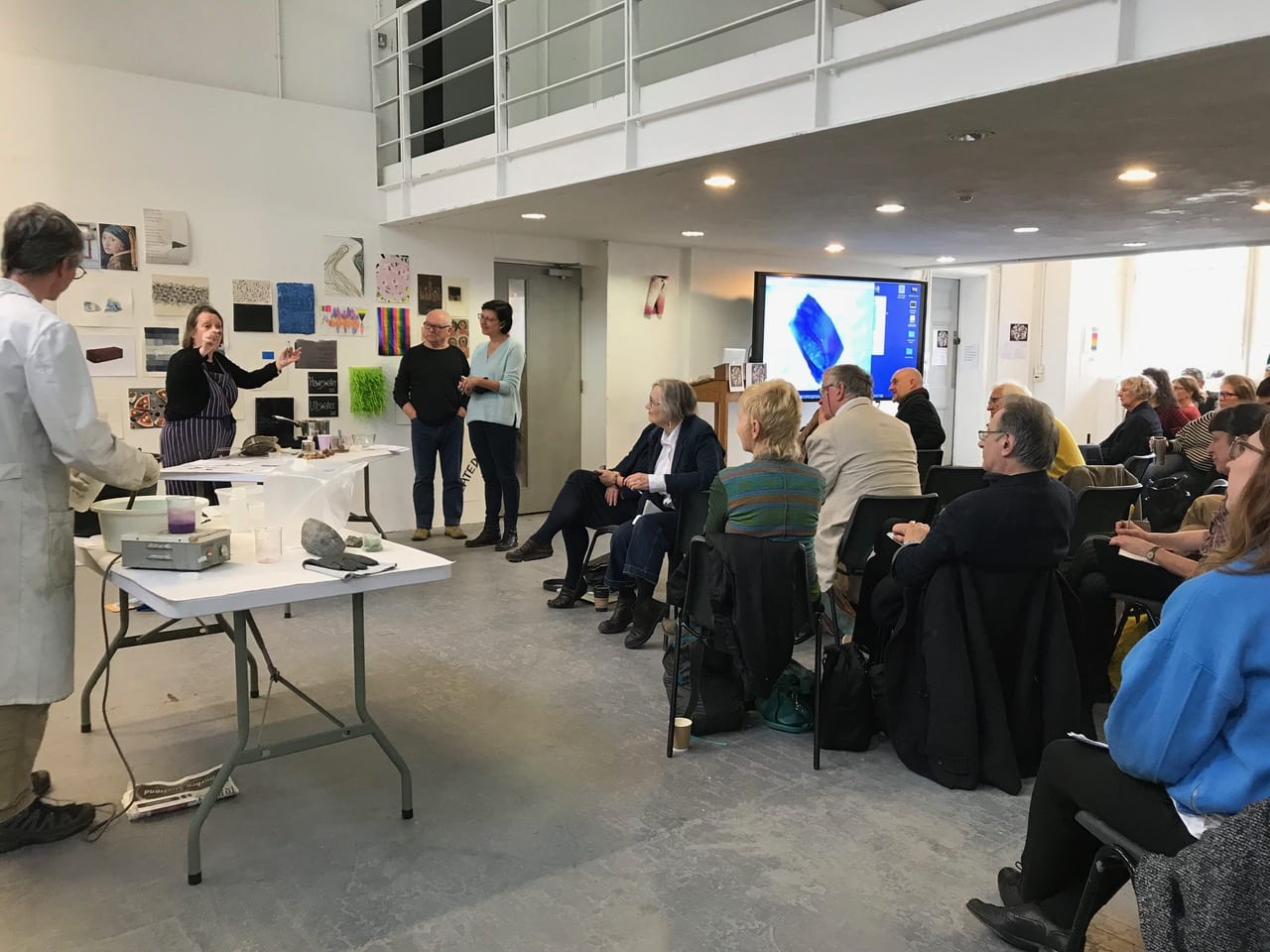
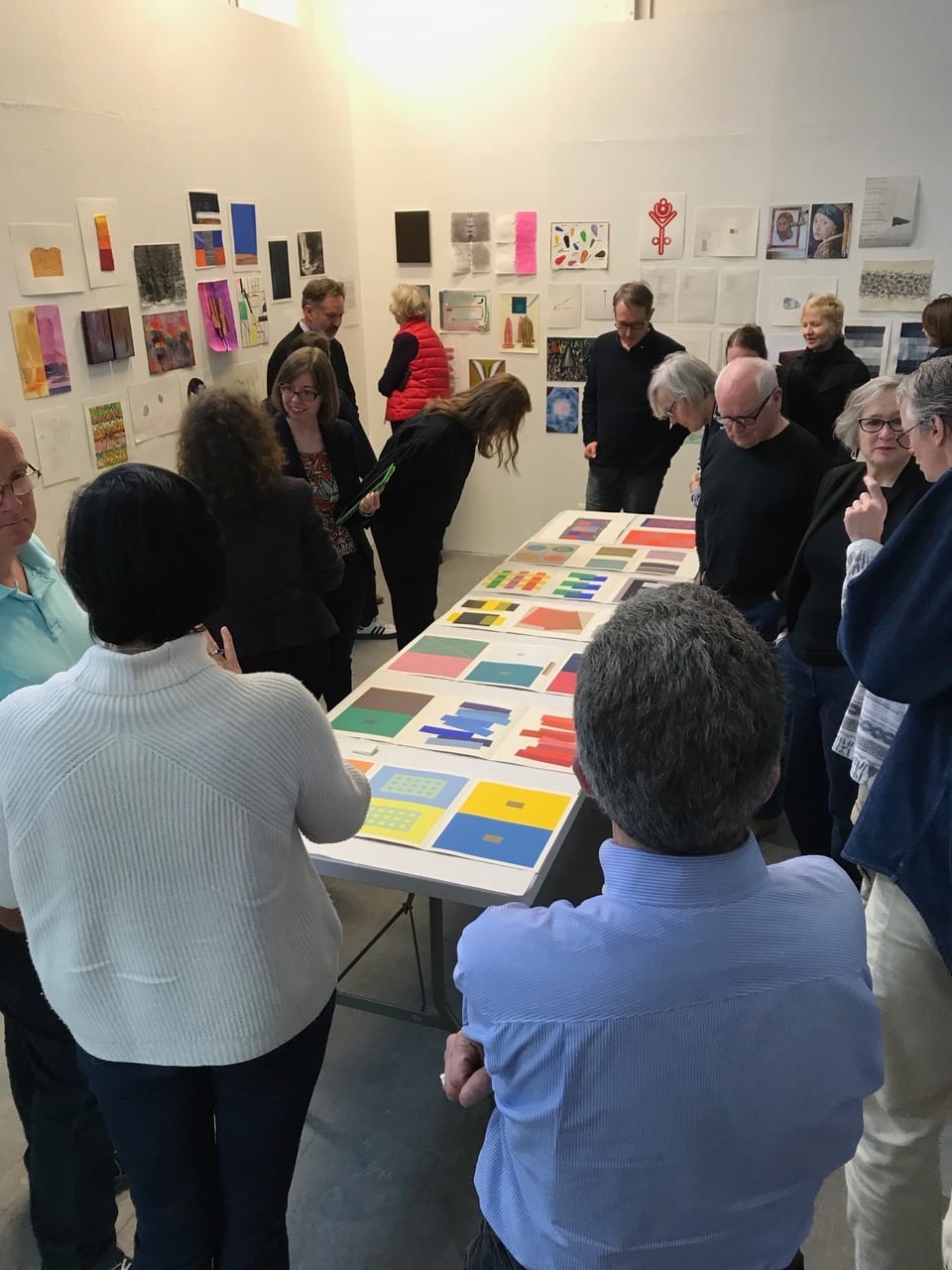
A a cross- and interdisciplinary event at the UCL Slade School of Fine Art to celebrate International Colour Day and World Poetry Day took place on 20th and 21st March 2019. This included all things colourful and poetic and often both, from talks, poetry readings, to making and mixing pigments, and looking at images in the accompanying exhibition The Nomenclature of Colours.

The symposium was conceived and organised by Jo Volley of the Slade School and the exhibition The Nomenclature of Colours was curated by Jo and Stephanie Nebbia. The photos used here were taken by Gabriela Giroletti and Ruth Siddall.

The full programme is available here.
 

Speakers talking about colour and research were; Michael Berkowitz, Malina Busch, Jane Bustin, Mark Cann, David Dobson, Taylor Enoch, Roland-Francois Lack, Liz Lawes, Andy LeakAntoni Malinowski, Onya McCausland, Dimitris Mylonas, Ruth Siddall, Henrietta Simson, Estelle Thompson and Edward Winters.

The poets who read from their work were Mataio Austin Dean, Rhun Jones, Sharon Morris, Fabian Peake and George Szirtes. Caroline de Lannoy‘s ‘Colour Tale’ was performed by Caroline and Slade School students, the ‘Colour Tale Choristers’.

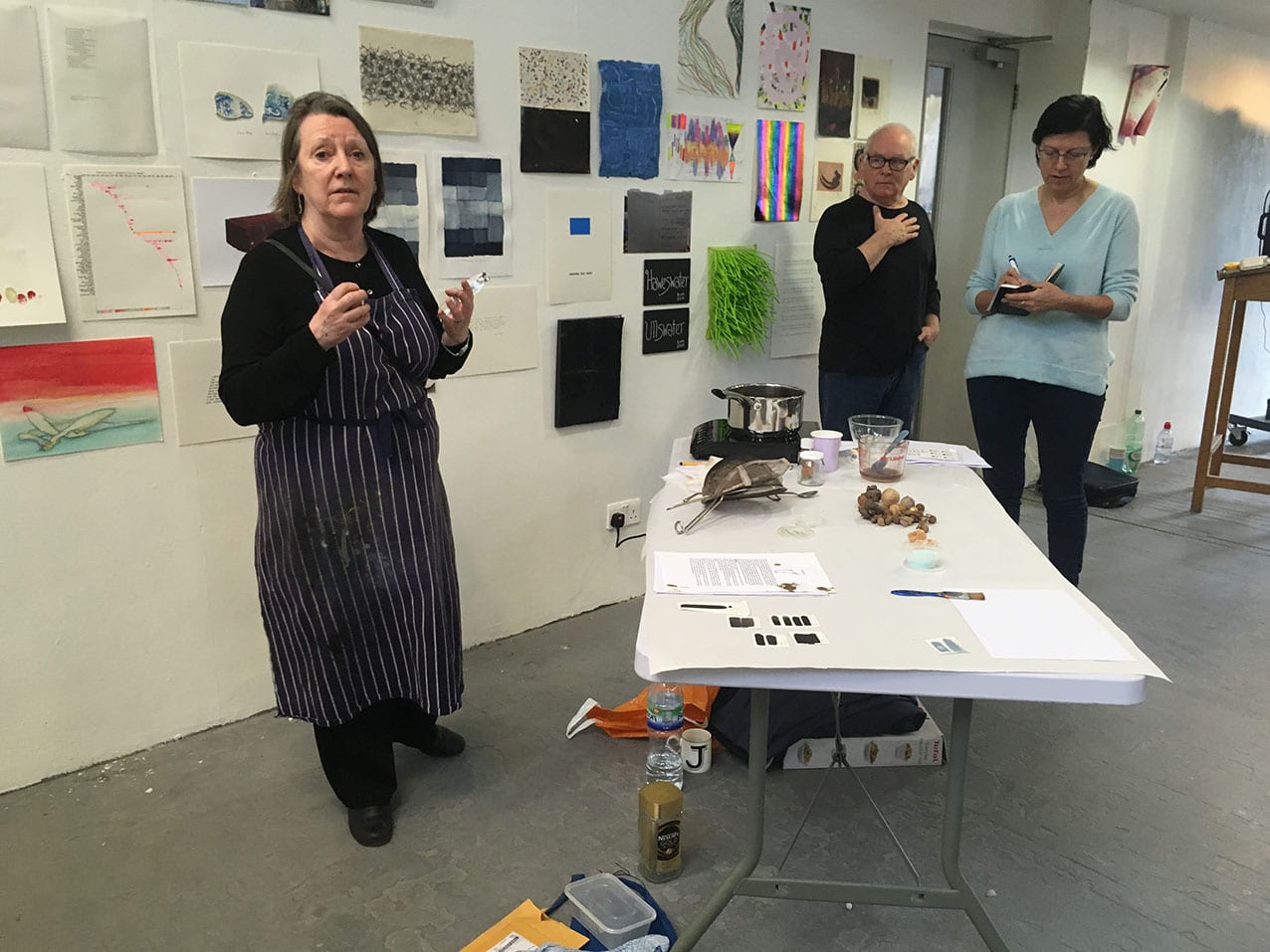
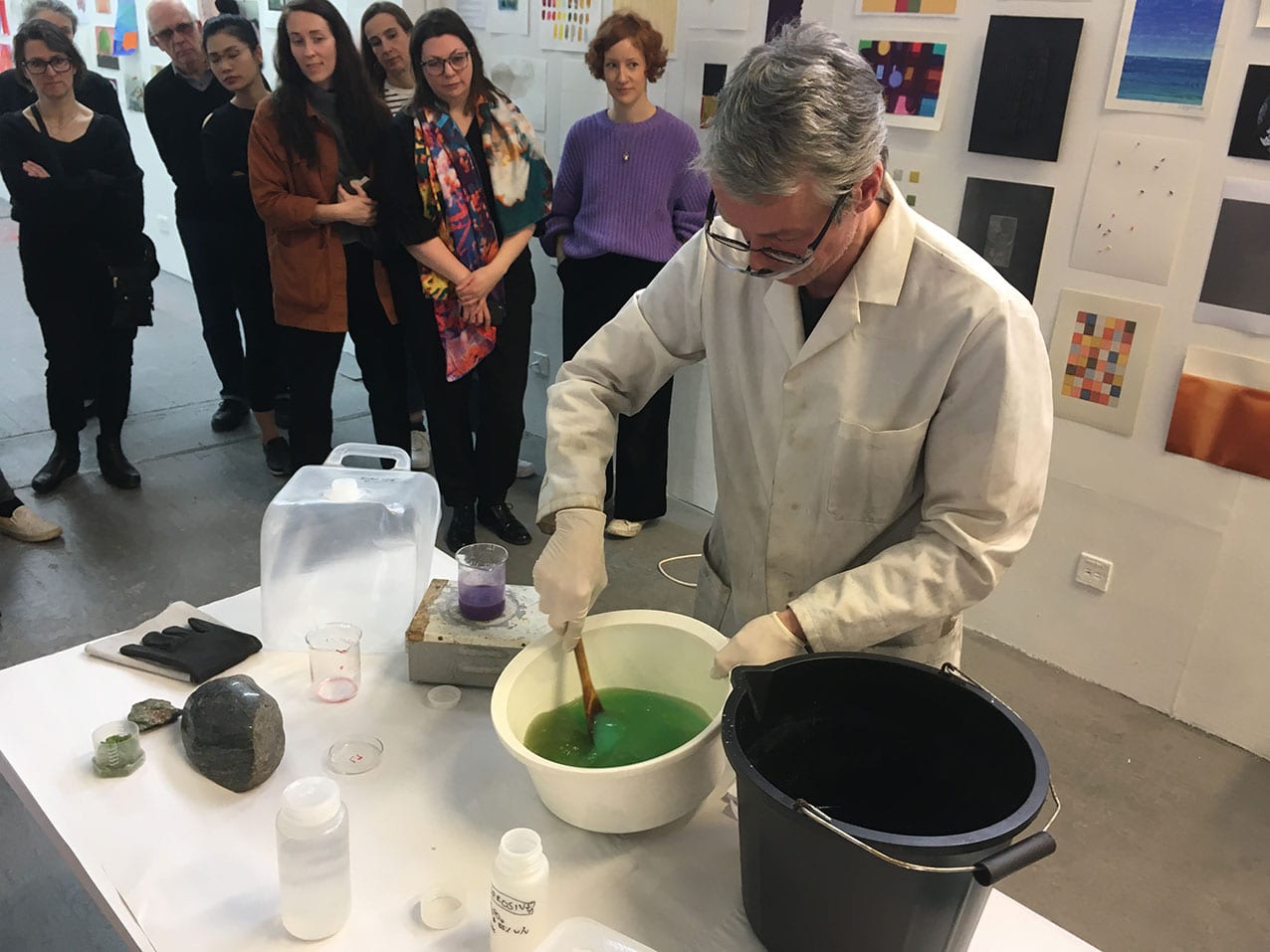
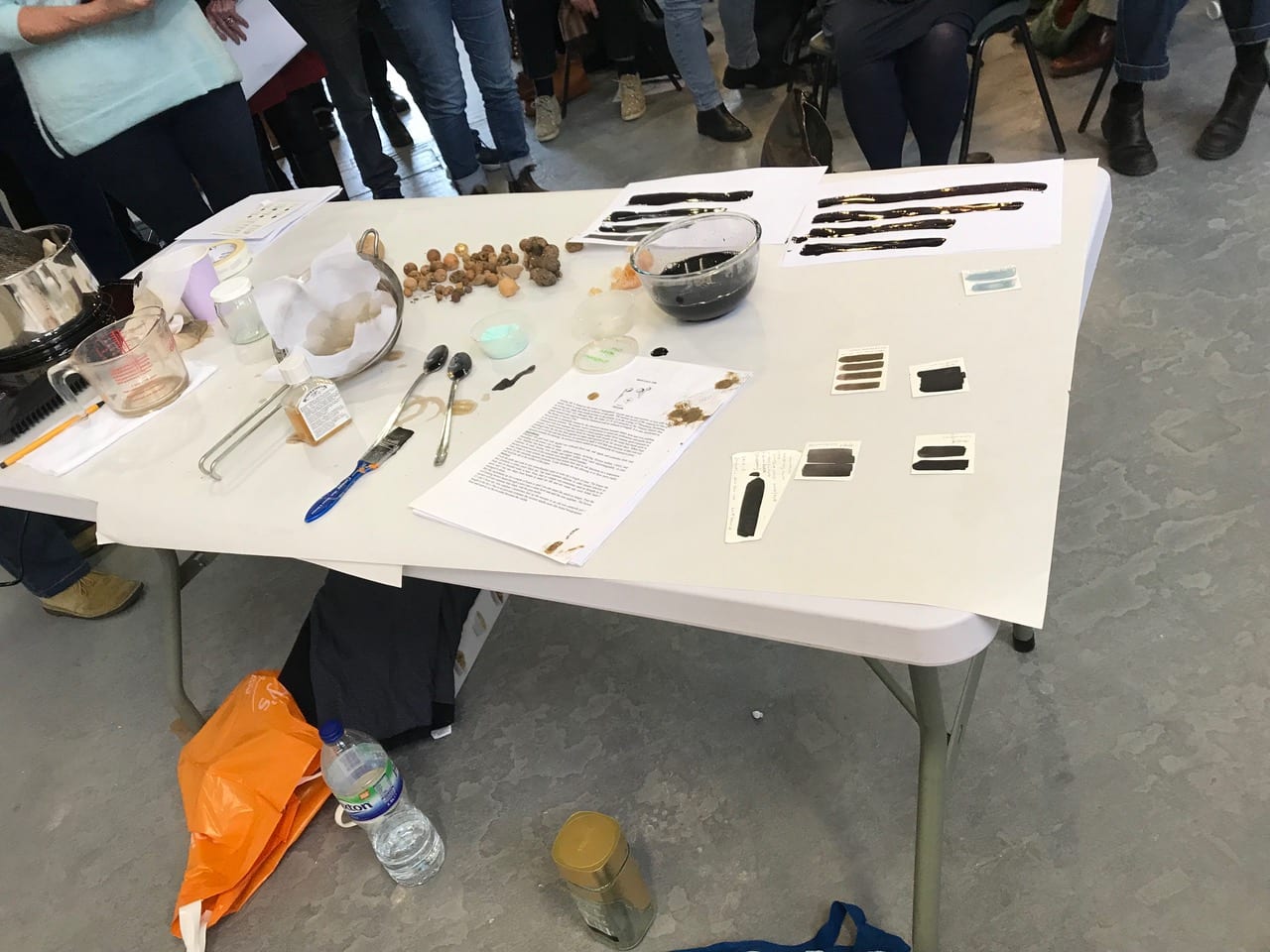
David Dobson, Ian Rowlands and Jo Volley demonstrated making and mixing pigments.

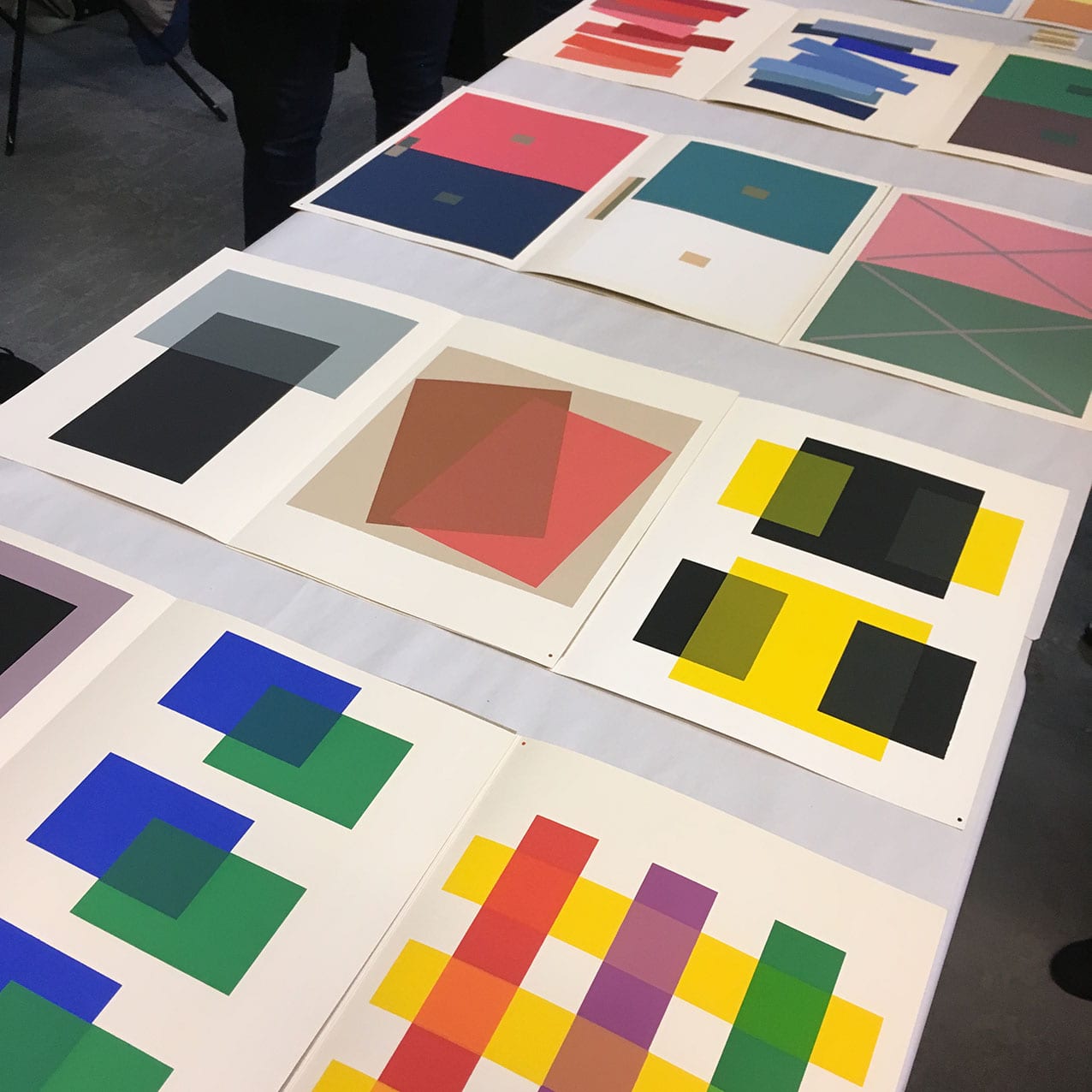
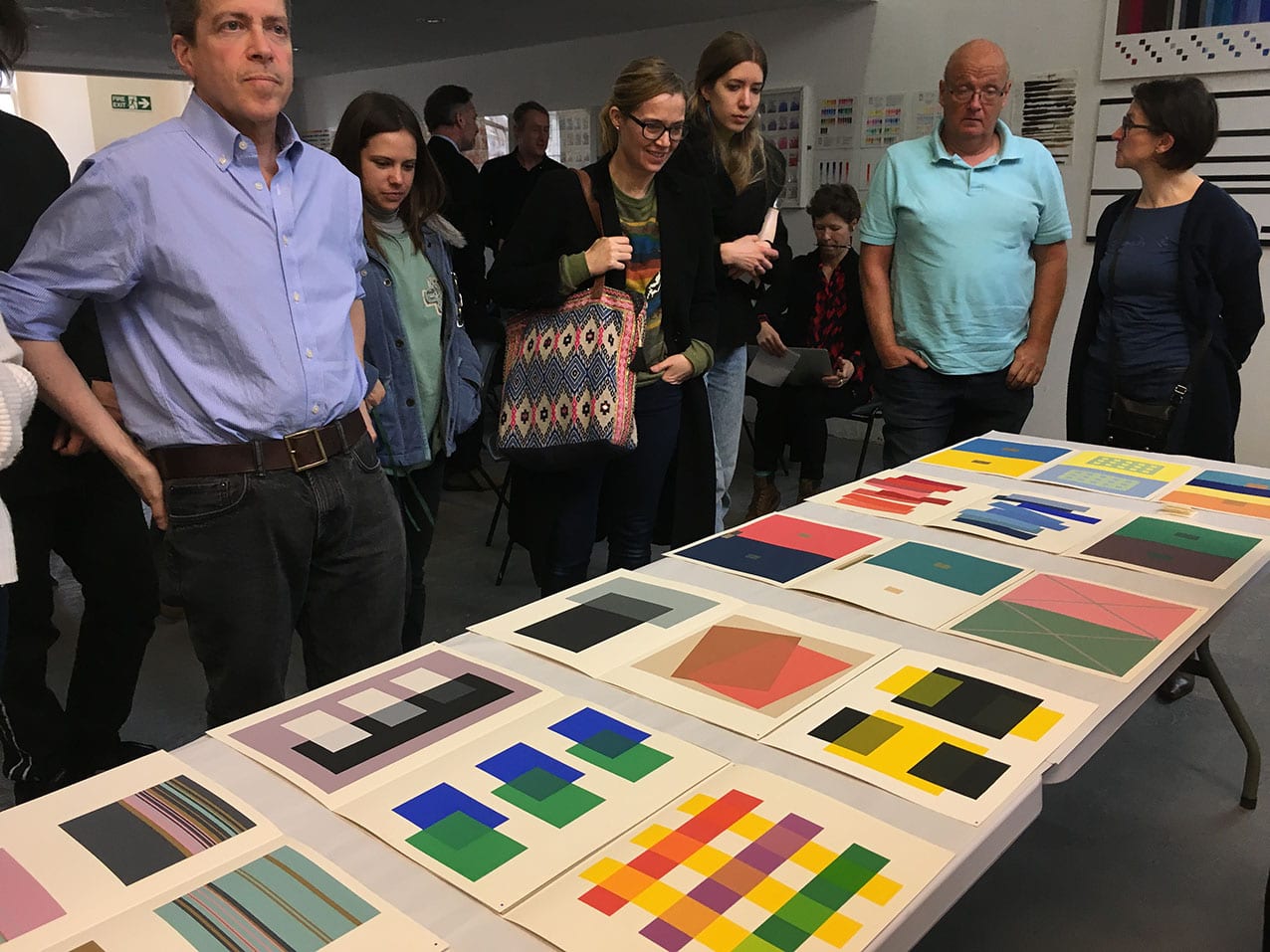
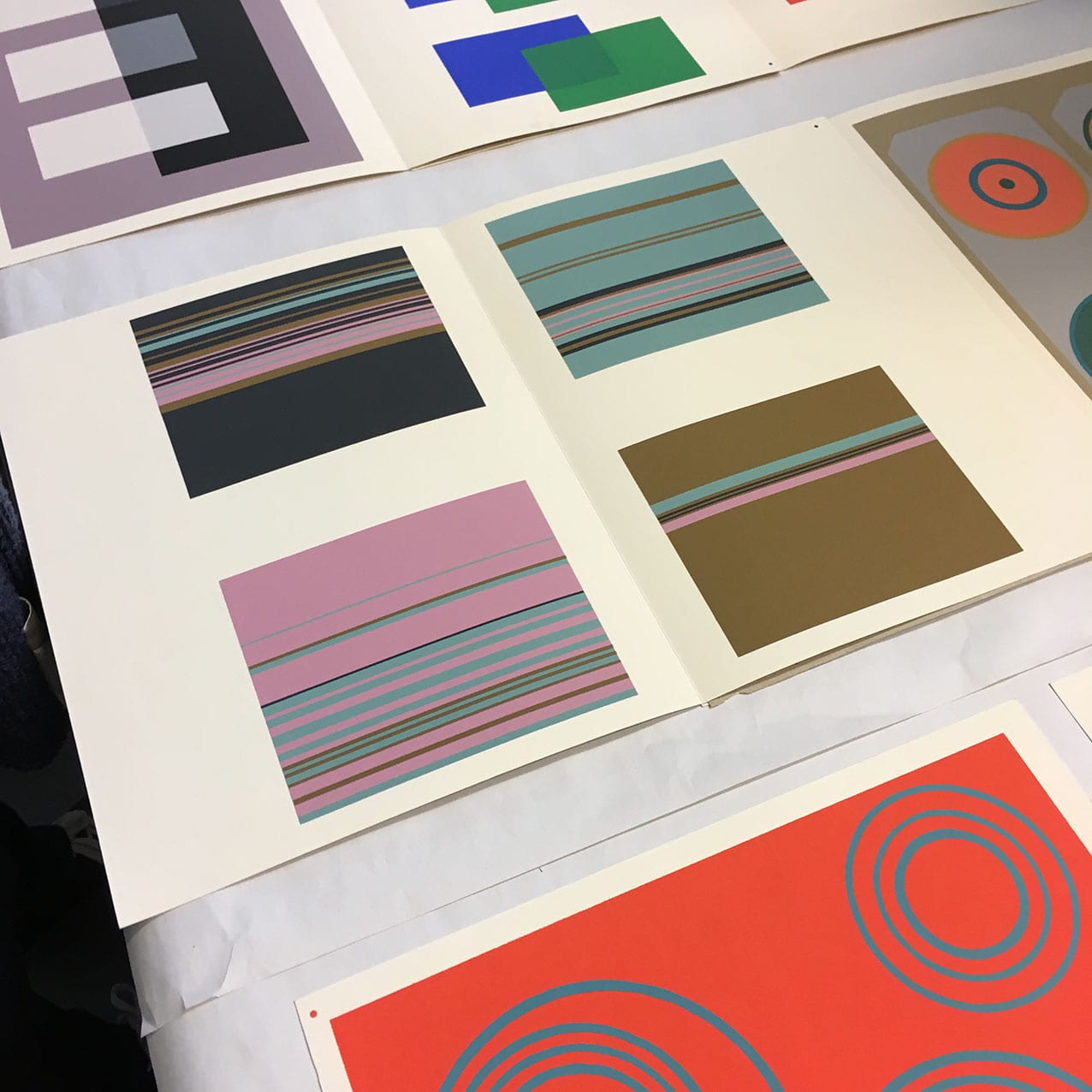
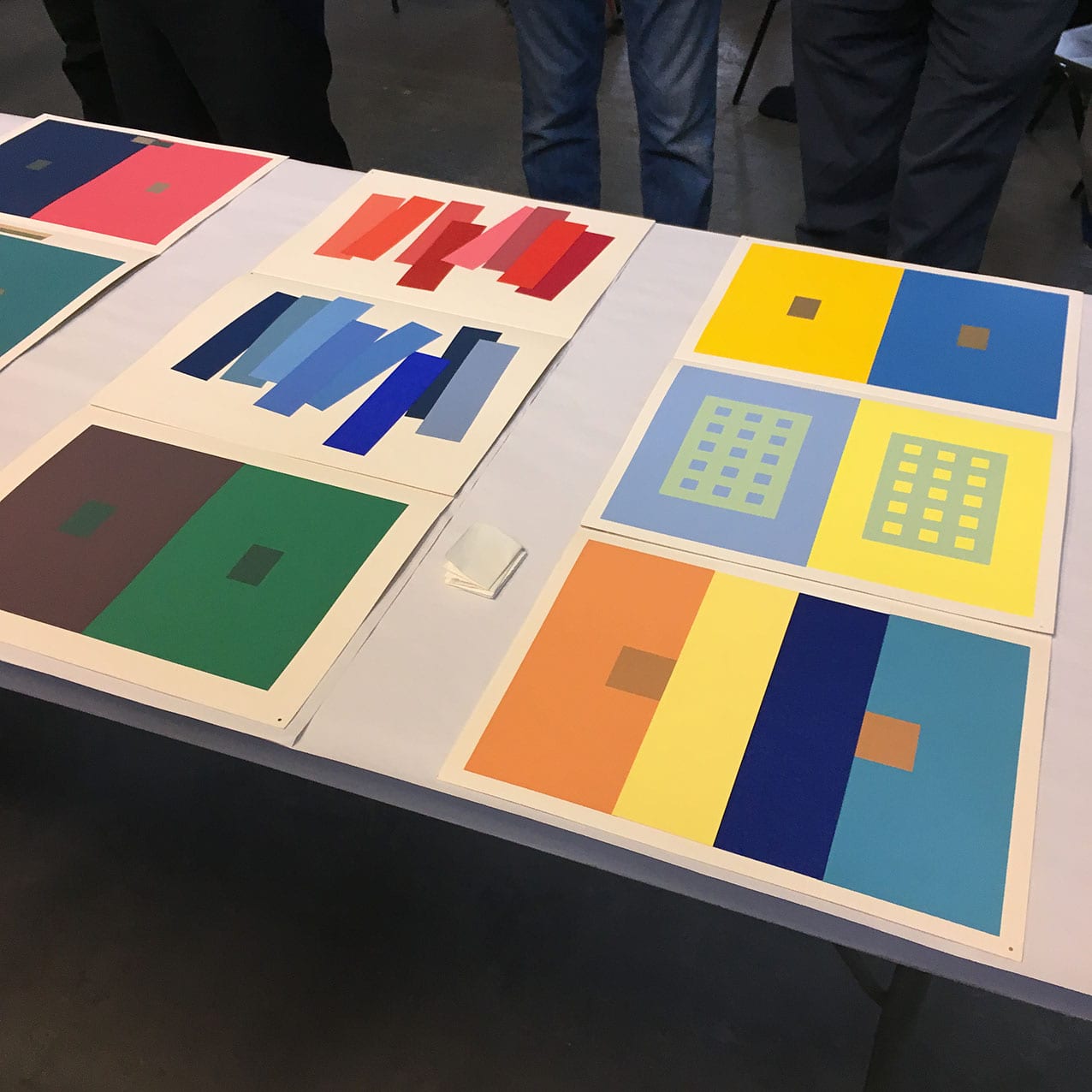
Looking at Josef Albers’s silk screen prints from the Slade’s edition of Interaction of Colour in a talk and discussion led by Malina Busch.

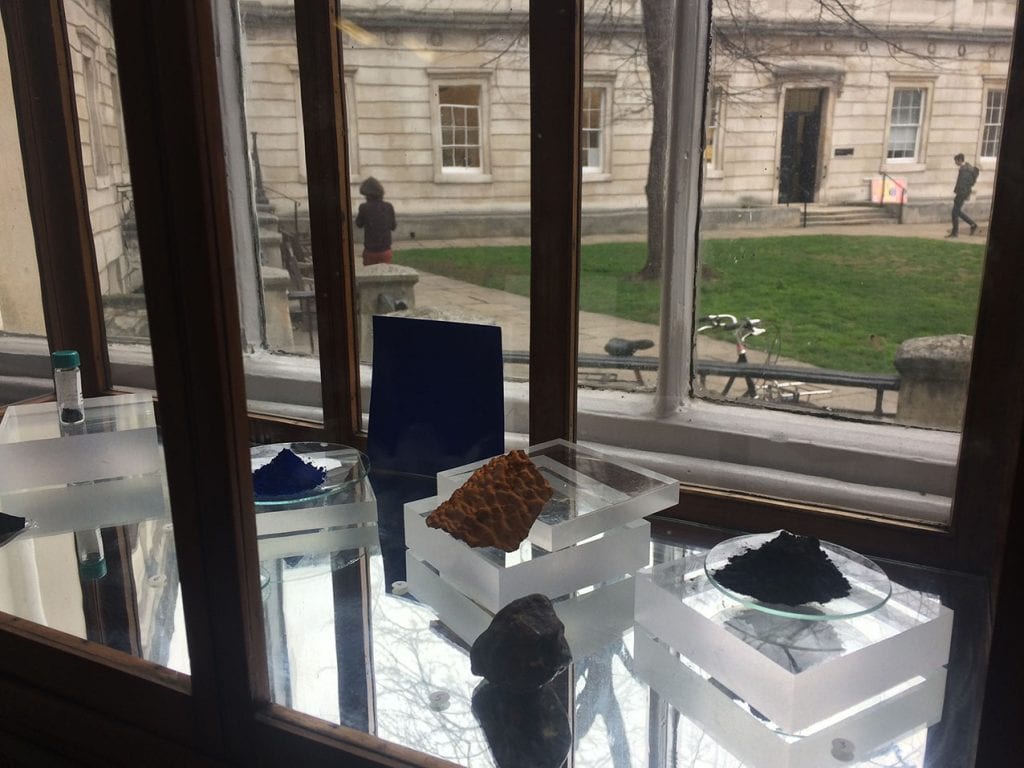
An exhibition of pigments in the Material Museum curated by Jo Volley.