X Close

Research Department of Primary Care and Population Health Blog

Home

Menu

Archive for the 'Uncategorized' Category

Digital health interventions: Hype or hope?

By Nathan Davies, on 5 October 2016
EM

In this post originally written for the BMJ and posted on blogs.bmj.com/ce, Prof Elizabeth Murray talks about digital health interventions in the NHS.

Digitising the NHS is back in the news with the publication of the Wachter report on using IT in the NHS to achieve healthcare’s triple aim of better health, better healthcare and lower cost. As Wachter says, not “giving highest priority to digitisation would be a costly and painful mistake”.[1] 

Although the report focuses on digitising secondary care, many of the recommendations are equally applicable to digital health interventions (DHI). DHI are interventions delivered on a digital platform, such as the web or mobile phones, which aim to deliver health care or health promotion, including behaviour change,[2][3] self-management support,[4] or treatments such as Internet Cognitive Behavioural Therapy (ICBT). Because of their potential to combine personalisation with scalability, they hold out real hope for delivering better health, better healthcare and lower costs, but the potential has yet to be realised, despite the millions of commercial “health apps” available.

Achieving the potential of DHI will require investment, research and development. Wachter recommends the NHS “digitise for the correct reasons” – for DHI this means identifying a clear clinical need, where a treatment or education programme is known to improve health, and where the treatment or education can be delivered effectively and at lower cost, on a digital platform compared to face to face. For the benefits of scalability to be realised, DHI must reach large sections of the population, but at present, low engagement by users often limits effectiveness. As Wachter says “it is better to get digitisation right than to do it quickly” and “health IT Systems must embrace user-centered design”. Developing DHI that are effective, acceptable to patients and health care professionals and that fit with NHS workflows takes time, effort and substantive user design. Our self-management programme for people with type 2 diabetes (HeLP-Diabetes) took 2 years to develop, and involved a multi-disciplinary team of patients, clinicians, behavioural scientists, health service researchers, software and web-designers. It was developed around user requirements, had a strong theoretical underpinning, and all content was evidence-based. We believe that this extensive input was essential for achieving the high levels of acceptability to patients and health care professionals, as well as the effectiveness and cost-effectiveness demonstrated in an RCT (submitted for publication).

Wachter also emphasises the importance of investing in effective implementation of digital resources, advising that benefit realisation requires ongoing investment, workforce development, and adaptive, as well as technical, change. Our work with HeLP-Diabetes reinforces this advice. We showed that if health professionals invested a small amount of time (less than 5 minutes) in promoting the programme and encouraging patients to use it, uptake was significantly increased, and the digital divide was overcome. However, many general practices struggled to invest even this small amount of time.

Are DHI worth the investment in research and implementation? For answer, I’d like to quote Wachter again:

To those who wonder whether the NHS can afford an ambitious effort to digitise in today’s environment of austerity and a myriad of ongoing challenges, we believe the answer is clear: the one thing that NHS cannot afford to do is to remain a largely non-digital system. It is time to get on with IT.


Reflections of a Novice researcher

By Nathan Davies, on 20 July 2016

In this post Marie-Laure from the eHealth Unit talks about her experiences of entering the scary world of academia. A very funny post which I am sure many of us can relate to in one way or another. 

Visions

I always enjoyed research as an undergraduate and was thirsty for some time to gain in-depth knowledge of one particular field. A two-year part-time academic clinical fellowship (ACF) sounded perfect: I could balance my time between being a GP Registrar and a researcher. The eHealth Unit immediately caught my attention – I had seen what a difference technology could make in a hospital setting and wanted to know all about primary care and public health applications. I was hooked by the dream of developing an app that would save billions of pounds for the NHS, educate people by the millions and save thousands of lives! I let my imagination run away. When I pictured the eHealth Unit at UCL, I saw what I imagine a tech start-up in Silicon Valley to look like: people riding down corridors on segways, ordering their morning coffee from the full-time barista on site, free massage twice a day etc. I stayed up until the early hours completing my ACF application form powered by the thought of the free Coco Pops and Nobel Peace Prizes that would surely come my way. ·

Reservations

Application form submitted: tick. Interview granted: tick. Interview preparation: HELP? Clearly I couldn’t mention the peace prizes and segways in the interview. Yes I enjoyed research as a medical student, but I only had two mediocre publications. Plus, did I really want to be an academic? Would I have to start wearing glasses and spraying Eau de Old Library Book every day? ‘Research’ sounds very nice. But what is it exactly? How were the other ACFs I spoke to so certain of their chosen path in life? Had the Academia Fairy visited them in their sleep?

Enter Professor Murray, who just said: calm down, and be honest. I couldn’t say for sure that I wanted to do a PhD and pursue a career in academic general practice because I didn’t have any real experience of research. And that’s exactly what I told the interview panel. So yes, I was surprised when I was offered the fellowship.

Reality

First day at the eHealth Unit. Free coffee! (Who cares that it’s instant?) My first few weeks were spent familiarising myself with the Unit’s existing work, especially HeLP- Diabetes, the impressive NIHR-funded type 2 diabetes self-management programme, and getting a real sense for what research should look like.

Time to get to grips with my own project. I had exchanged a number of emails with Professor Murray before my start date, and had chosen diabetes prevention as my research topic. I spent at least a month reading and thinking (a true pleasure compared to the pace of seeing patients in general practice). I refined my research questions: what is the evidence that diabetes is preventable? What is the evidence that lifestyle modifications can help to prevent or delay the onset of diabetes in high risk populations? Which components of lifestyle interventions are effective and how do these work? Most importantly: can digital interventions help with these effective components?

With a good grasp of the current literature, I set about planning my research project. The eventual aim might be to develop a complex (digital) intervention so I familiarised myself with the MRC guidance. The first step in any complex intervention is to carry out a thorough ‘Needs and Wants’ assessment, i.e. qualitative work that would be used together with existing frameworks and literature reviews to inform an eventual digital intervention.

It was soon clear that I would need to apply for some funding for this and I put together a rough draft for the SPCR FR11 Grant. This was my first grant proposal. The first time I designed a study protocol. The first time I costed a study and recruited PPI input. The first time I provided the scientific rationale for a study. Does this officially make me a researcher now? I think so. With the help of two brilliant PPI and a very experienced team I put together a grant application. I was over the moon – on a Segway Rocket with a personalized PR0F3SS0R number plate – when I was told it had been successful.

Since the funding was granted I’ve been finding out about ethics and R&D approvals, and exactly why everyone sighs and looks at me pitifully when I say what stage I’m at. Yes, it’s a slow process. But I feel like a real researcher. And I know all the acronyms so feel like I’m part of the gang now. IRAS, HRA, REC, NoCLOR, CRN, PAF, DRN, DSH: no problem.

Reflections

So while free massages and Coco Pops haven’t featured thus far, I can’t say I’m disappointed. I’ve discovered what it’s like to conceive and own a research project and to feel like I have in-depth knowledge of a particular field (no matter how niche digital diabetes prevention may be). I can now say with confidence that I like research. Plus there are many other perks. I’ve attended a number of useful courses and I’ve had to think and learn about marketing strategies, social media and coordinating efforts across the team; skills that are rarely developed at this stage of GP training. And the work environment is incredibly supportive. I feel like I am part of a wider network, with many opportunities.

I also love the mix between clinical work and research. It’s easy to feel frantic and overworked in general practice. The two and half days I spend on my research offer an antidote to this. I’ve found the research has kept me interested in the wider picture too; the background and the many ‘why?s’ that crop up during my consultations. It’s sometimes difficult to balance the two, but none of it is insurmountable.

So, do I want to do a PhD? I can’t say for sure yet. But I wouldn’t be disappointed if the Academia Fairy visited me in my sleep now.

Human-computer interaction

By Nathan Davies, on 12 July 2016

In this post, Nikki Newhouse from the eHealth Unit and UCLIC talks about her visit to the CHI’2016 conference in San Jose, California.

Exhibit Hall Grand Opening

Exhibit Hall Grand Opening

In early May, I visited San Jose in California for CHI’16, the biggest annual conference in the HCI (human-computer interaction) calendar. Held over the course of a week, the conference’s scope is enormous, attracting around 3,000 international delegates who come to learn about and discuss how people interact with technology. Delegates are drawn from a wide range of disciplines and it’s an active, exciting event, where academics and students mix and engage directly with entrepreneurs, designers, industry experts and commercial leaders.

I attended as a participant in the CHI’16 Doctoral Consortium (DC). The DC brings together a small, international group of postgraduate students to explore and develop their research under the guidance of an expert panel. Competition to take part is high: 15 places were allocated from 67 applications and I was honoured to be the only student selected from the UK. The panel consisted of Hilary Hutchinson (Google), Alan Borning (University of Washington) and Yvonne Rogers (UCL). Participation in the DC involves attending a 2-day pre-conference workshop during which all attendees present key aspects of their research and receive constructive feedback from the group and panel on how to take their work forward. There was also the opportunity to develop networking skills and chat informally with invited guests from industry and academia.


CHI’s class of 2016

CHI’s class of 2016

Consortium attendees’ presentations represented the huge range of interests, questions and approaches that come under the exciting HCI research umbrella. I presented my multidisciplinary research on the use of technology in the transition to first time parenthood; other students’ work included projects on collaborative writing, working with service dogs, how people interact with digital books, rethinking the role of smart cities from a perspective of supporting wellbeing, and designing digital tools for dispersed populations with rare diseases. As well as gaining valuable presentation practice and personalised feedback, we presented a poster within the main conference and our extended abstracts were published in the highly-regarded CHI Extended Abstracts, available in the ACM Digital Library.

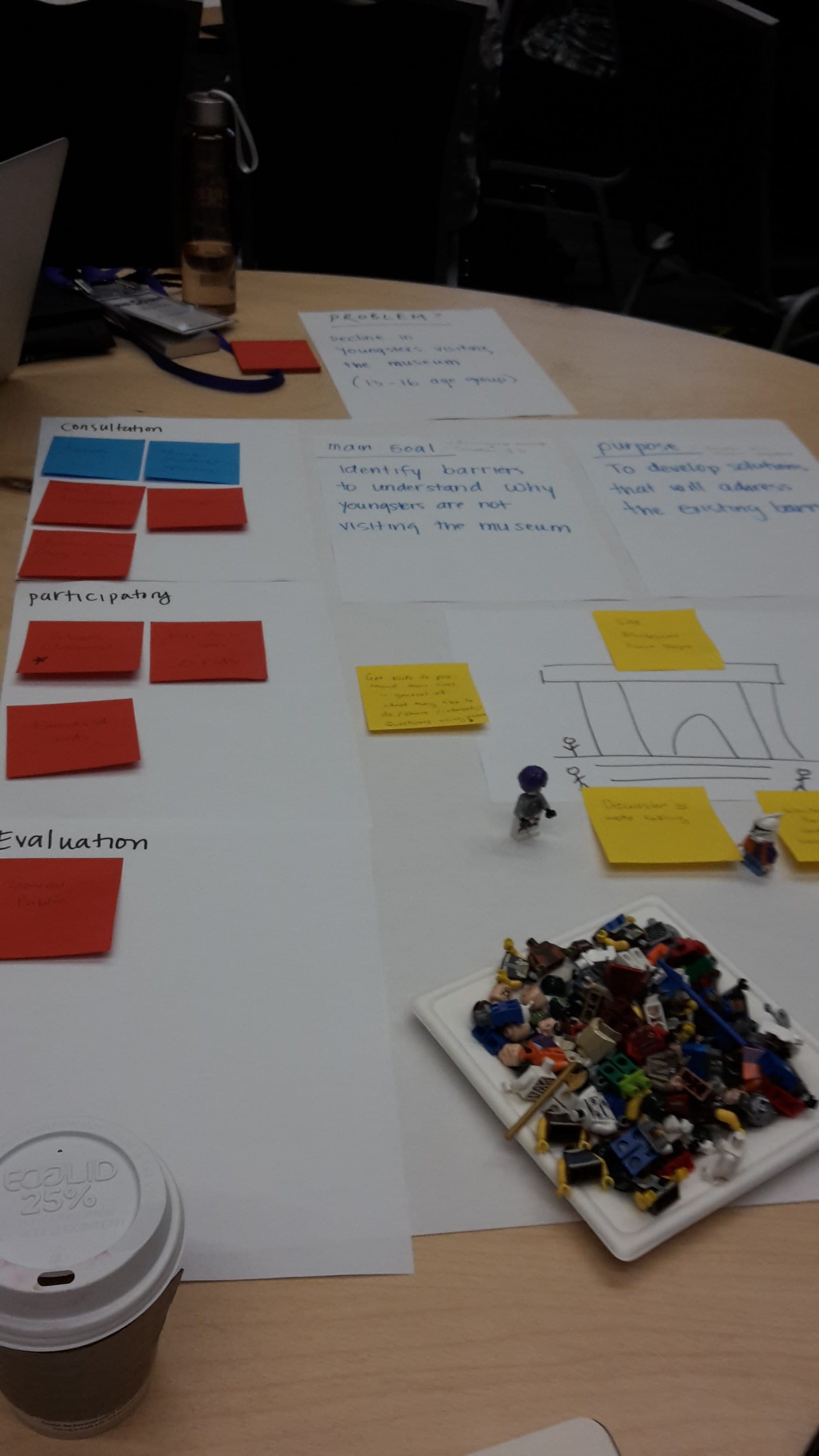
Fun with Lego at the participatory design workshop

Fun with Lego 

The conference benefits from standout keynote speakers from academia and industry and a multi-track programme that includes talks, workshops, courses, lunches, a job fair, interactive demonstrations, special interest groups and even ‘alt.chi’, a forum for ‘controversial presentations’. I attended an exceptional course on positive computing and designing for wellbeing, facilitated by Prof. Rafael Calvo  and Dorian Peters (both University of Sydney) in which we explored approaches to evaluating and designing for wellbeing determinants like autonomy, competence, connectedness, meaning, and compassion. I also attended a hands-on course in participatory design methods, hosted by Aarhus University’s Susanne Bödker, Christian Dindler , Ole Sejer Iversen and Kim Halskov. The course gave an overview of participatory design history, practices and methods. Basically, we had a great time solving design challenges with Lego!

Attending CHI’16 has been one of the standout experiences of my PhD and I feel extremely privileged to be one of the ‘Class of 2016’. HCI is an exciting field to work in: it combines academic rigour and methodological pluralism with fun, curiosity and an inherently pragmatic approach to problem solving. CHI’17 will be held in Denver and I’m already excited about attending!

Patient-Centred Care

By Nathan Davies, on 23 June 2016

In this post Kingshuk Pal talks about patinet-centred care and what does it mean?

Everyone agrees that patient-centred care is a good thing. But what exactly does that mean? And why should we bother?

There are many definitions of patient-centred care. The simplest involves “understanding the patient as a unique human being”. More technical definitions involve lists of interconnecting components like: (1) exploring both the disease and the illness experience; (2) understanding the whole person; (3) finding common ground regarding management; (4) incorporating prevention and health promotion; (5) enhancing the doctor–patient relationship; (6) ‘being realistic’ about personal limitations and issues such as the availability of time and resources.

But true patient-centred care is also professional-centred care. It recognises that health professionals are not automated healthcare dispensers mechanically processing each complaint in robotic monotony. Healthcare professionals are unique human beings too. The doctor is a drug. Healing comes from connections as much as from prescriptions.

We are constantly driven to become more efficient. To do more in less time. But as we get busier and more productive, we give our patients less attention; we give them less of ourselves. We connect with them less.

What can we gain by challenging the paradigms of efficiently delivered, protocol-driven, evidence-based standardised care? What happens when we treat patients as people and give them our attention rather than a prescription?

This is one example based on a true story published in the Lancet last week:

http://www.thelancet.com/journals/lancet/article/PIIS0140-6736(16)30410-X/abstract

Pharmacovigilance at PRIMENT

By Nathan Davies, on 6 May 2016

What is pharmacovigilance and why is it important?Charlene Green

Pharmacovigilance (PV) is the science and activities relating to the detection, assessment, understanding and prevention of adverse events or any other drug-related problems. It’s an important discipline because it allows us to find out what safety issues relate to a drug with the aim of improving patient care and safety. Without pharmacovigilance we would be giving potentially harmful drugs to patients without monitoring their effects! There is also a specific legal requirement to monitor the safety of drugs in clinical trials.

So what are we doing here at Priment?

Historically, Priment has typically been involved with non-drug clinical trials (psychological interventions, qualitative research etc.) but there has been a desire over the past year or so to expand the research portfolio to include clinical trials of investigational medicinal products (CTIMPs) i.e. drug trials. To be able to achieve this Priment has excitingly developed a PV system and we can now support researchers at all stages throughout a trial with their PV needs. It’s an exciting time for the unit as we are taking on PV responsibilities for two really interesting trials, KIWE and PANDA.

KIWE is a trial that is investigating the use of the ketogenic diet in infants that have epilepsy. They would otherwise have to rely on years of anti-epileptic drug treatment so the findings will be really important for these children and their families. The trial team are based at the Institute of Child Health.

The PANDA trial is comparing the use of an anti-depressant drug (sertraline) with placebo in patients that have depression to find out who might fully benefit from anti-depressants. The team are based at the Institute of Psychiatry and we are also working with them on another trial that will join the Priment portfolio in a few months.

Why?

PV in clinical trials is new to many of the researchers working at/with Priment so we wanted to be able to ensure a consistent approach to this aspect of our work and to be sure that we are working in line with the regulations. By centralising PV we are taking away a barrier to starting work on CTIMP trials and hopefully giving researchers an added benefit of working with Priment as we expand our portfolio.

How Priment supports CTIMPs

We are involved from the protocol development stage right through to trial closure and provide support on protocol development, adverse event management, training, periodic safety reporting and the management of reference safety information (to name a few things!). We are here to support trial teams throughout the clinical trial lifecycle and will endeavour to do our best to provide answers to queries and problem-solve whenever necessary.

What does this mean for Priment?

Priment ‘sits’ within 2 of UCL’s Institutes – the Institute of Epidemiology and Health Care  (IEHC) and the recently formed Institute of Clinical Trials and Methodology (ICTM).  The inclusion of clinical trials into Priment’s work allows us to contribute to the achievement of the aims of both, notably ‘Evaluating strategies for the prevention & treatment of physical ill health’ (IEHC) and ‘To improve local, national and global health by conducting clinical trials and other well-designed studies’ (ICTM).

What next?

The Priment portfolio of CTIMPs is expanding and we are working on 2 more trials which we hope will be open by late 2016/early 2017. They are RADAR and ANTLER:

The RADAR trial is comparing the use of an anti-psychotic drug reduction programme with maintenance treatment in patients that have schizophrenia and psychosis. By slowly tapering patients off their treatment it is hoped that the unpleasant side-effects of the drugs may be avoided while hopefully keeping patients well.

The ANTLER trial is also investigating a drug reduction programme but this is for patients with depression. An anti-depressant drug reduction programme is being compared to maintenance treatment to find out which types of patients can benefit from reduced drug treatment.

For more information about PV at Priment, or to find out how we may assist you with your trial please contact Charlene Green (PV Coordinator).

One marathon, two marathon, who will do the third..?

By Nathan Davies, on 3 May 2016

An incredible achievement from two members of the department this month. Emma Dunphy and Ann Liljas have both completed a marathon!! Congratulations both! They have given us a short overview of their experiences – any one tempted to run next year..?

Both Myself and Ann Liljas have just completed a marathon. No, not the metaphorical marathons of academic work that PCPH people complete all the time, but an actual marathon.  Ann ran Rotterdam Marathon 2 weeks ago and I ran London Marathon last Sunday. Perhaps it’s worth adding that global average (median) for women completing a marathon in 2014 was 4 hours 42 minutes and 33 seconds.  Here is a little of our experience.

Ann:

Marathon training requires quite a lot of preparation and having signed up for Rotterdam marathon in April motivated me during the dark and cold winter months to get up early and go for a run before work. Doing several laps around Regent’s Park on my way to work sometimes made me wonder if it was just me running like an idiot at 7am in the dark in order to build up endurance for a long-distance run. On race day those morning runs felt incredibly far away – the sun was shining and I was surrounded by 30,000 other runners in colourful clothes. This was my fourth marathon (of which one was part of an ironman) and my goal was to get a new personal best. Based on my previous experience I know that my greatest strength is that I can keep running at the same pace for a long time. So I started at a pace that felt challenging yet manageable. After three quarters of the run I started feeling lack of energy but managed to keep going albeit slightly slower. But when I saw the finish line in the horizon I thought I better spend any energy left and managed to increase my speed a little. I completed the marathon in 3 hours 33 minutes and 4 seconds – a new personal record by five minutes.

Emma:

I thought I would hate all the training but actually the routine of running to or from work and around the canals, hills, and grotty neighbourhoods of London has been a real pleasure. Well… most of the time. I ran for the Terence Higgins Trust, a charity for sexual health and people living with HIV. It’s a wonderful cause and it was motivating when the race got tough.

On race day, I was absolutely terrified. Even though I had trained well and avoided injury, it was just nerve racking to be facing such a distance,  with what felt like the whole world watching.  Everything you hear about the crowd lifting you was true, especially with family and friends dotted along the way. Ann was cheering for me at mile 13 but I somehow missed her amongst all the other cheers. I hobbled in at 4 hours 23 minutes, exhausted but very proud. I celebrated with group of friends and some paracetemol. What a day!

A secondment at Tsinghua University, Beijing, China

By Nathan Davies, on 16 December 2015

Rosa Lau, PhD student (PCPH), talks about her experience of working in Tsinghua University, China.

I was recently lucky enough to spend one month on a secondment at Tsinghua University in Beijing China, through the Ubi-HEALTH program. The main focus of the Ubi-HEALTH exchange program is to build and establish a network to disseminate knowledge regarding available technologies for healthcare to be shared between students, researchers and host institutions between different countries.  It primarily operates in Europe, Mexico, Chile, China and the USA.

Tsinghua university

Tsinghua University (清华大学) was established in 1911 and is ranked as one of the best universities in mainland China. The university covers an area of 392 hectares and facilities include sports centres, book shops, banks, hospitals, primary and secondary schools, community centres, cafes, supermarkets, and over 10 dining halls and restaurants.  On my first day, I was advised to buy a second hand bike just to travel within and around campus.

Over the one month period, I worked in the Research Institute of Information Technology with Professor Yongqiang Lyu and his team. There are a number of Research and Development (R&D) Centres within the research institute including the Future Information Technology (FIT) Centre and eHealth Centre.

Health Kiosk

Professor Lyu and his team developed an interactive self-service healthcare kiosk for the community. The kiosk integrates various medical devices and sensors for assessing the physiological characteristics of users, such as blood pressure, electrocardiography (ECG), pulse rate, blood glucose, blood oxygen, body composition (e.g. height, weight, body mass index, body water, muscle mass, body fat, waist-hip ratio) enabling an overall health score to be computed. Following use, a summary results report can be printed. In addition, users can access their digital report on their mobile phones and share the information with their friends and family via WeChat (a mobile text and voice messaging communication service, similar to WhatsApp) or, by scanning the QR (Quick Response) code provided in the paper report. A QR barcode can store a large amount of data that enables links to videos, Twitter or website pages. Some work around testing accuracy with users was carried out previously and the product is currently undergoing commercial deployment.

While on my secondment  I visited the China Open Tennis Tournament to observe how the health care kiosk was delivered and used in this particular setting (i.e. a public event), as well as people’s experience with the kiosk . Its use was facilitated by staff to ensure smooth operations in between tennis games. My field notes along with some implications and design recommendations (e.g. interpretation of results, graphical user interface (GUI)) were shared and discussed with the team. I also produced a document outlining a number of issues to consider if it were to be implemented and/or delivered in other settings, such as office buildings. In addition, I helped develop the educational content, particularly information related to blood pressure, body mass index, basal metabolic rate and cardiovascular disease, as well as lifestyle options and healthy living, all of which were based on evidence. All of this work has contributed towards the next phase of intervention development, ready for evaluation at a later stage.

Seminar picture

Towards the end of the secondment, I gave a seminar to a group of graduate students. The seminar covered the following areas:

  • Brief introduction to the eHealth unit at UCL
  • How the Medical Research Council Framework can be used to develop and evaluate e-health technologies using a few examples from the unit
  • Introduced the concept of implementation, why it is important, issues we need to consider and how it can be studied (my PhD project)

The presentation was well received – the students were very engaged and asked some really interesting questions. After the seminar I was asked by the students to stay and sit in their group meetings where they discussed their projects and received feedback from their tutors. It was an informal event and participation was voluntary. It was exciting to hear about their innovative work related to health and education. It was a stimulating environment, where they all shared their progress and challenges.

Beside work, I was invited to a formal welcome lunch and numerous meals with staff and students. I took a trip to Yuanmingyuan (also known as the Old Summer Palace) with the students, as well as visiting other well-known areas such as the Tiananmen Square, some Hutongs (old city alleys), Lama Temple and 398 Art district. I also had the opportunity to watch a live tennis female doubles match at the China Open!

Overall it was an invaluable experience to live and work in China. I am extremely grateful to Ubi-HEALTH program for the opportunity and to Professor Lyu’s group for their kind hospitality.

For more information contact Rosa Lau.


UCL TechSharing Seminar Series

By Nathan Davies, on 18 November 2015

nikkinewhouseNikki Newhouse, multidisciplinary PhD student (UCLIC and PCPH) and coordinator of the TechSharing Seminars, reports on the latest seminar in the series, which invited the audience to question prevailing paradigms in digital intervention evaluation.

 September saw the return of the popular UCL TechSharing Seminar, a quarterly collaborative half-day workshop aimed at sharing multidisciplinary knowledge and experience of working with technology and digital interventions.

The seminar series was established in 2013 and is organised by PhD students and early career researchers from UCL’s Interaction Centre (UCLIC) in the Department of Computer Science and the eHealth Unit in the Research Department of Primary Care and Population Health.  The series was established as a way of bringing together colleagues from across UCL who work in complementary but disparate fields including health, online intervention development and human-computer interaction. The seminars allow us to share expertise and knowledge and encourage strong and fruitful future collaborations. Previous seminars have focused on a range of topics, from developing theory underpinning intervention development, to systems analysis and storyboarding, even how to select your software developer. Targeted at UCL students and academics, external attendees and speakers are more than welcome!

The seminars follow a format that allows for a wide variety of presentations and questions from the audience. Discussion and debate are positively encouraged and this seminar’s audience did not disappoint, with lots of lively conversation between speakers and audience members keeping the seminar’s timekeepers on their toes. This term’s seminar was entitled Evaluating digital interventions – challenging prevailing paradigms and focused on challenging the paradigms currently ingrained in the design and evaluation of healthcare interventions. The first session focused on the pros and cons of utilising participant usage data in health intervention development and included presentations from Delmiro Fernandez-Reyes (UCL – Paediatrics, Global Health Infectious Diseases and Computational Statistics), Kathy Stawarz (UCL-UCLIC), Mirco Musolesi (UCL – Geography) and myself & Ghadah Alkhaldi (UCL- eHealth Unit & UCLIC) on a diverse range of topics including the relationship between usage data and user engagement, and the design of apps to aid habit formation. The second session examined the role of control groups in digital intervention design and led to some lively discussion, with presentations from Aleksandra Herbec (UCL – Epidemiology and Public Health), visiting PhD student Tobias Sonne (Aarhus University), Claire Garnett (UCL – Clinical, Educational & Health Psychology) and Ildiko Tombor (UCL – Epidemiology and Public Health, UCL).

Two keynote speakers then addressed the fundamental questions of whether or not the ‘gold-standard’ RCT paradigm is the best approach to take in the context of digital interventions and, if not, what is the alternative. Professor Elizabeth Murray (UCL- Head of the Research Department of Primary Care and Population Health & eHealth Unit) explored the option of implementation as an alternative to the RCT, using examples from the HeLP-Diabetes research programme. Professor Murray suggested that we consider the possibility that implementation can be undertaken prior to, or in parallel with, the traditional trial paradigm. There was much discussion about the consequences and implications of the continued dominance of RCTs. Professor Ann Blandford (UCL- UCLIC & Institute for Digital Health) then asked To RCT or not to RCT? That is the question… Professor Blandford’s talk focused on the philosophical and practical similarities and differences between traditional public health and computer science complex intervention development frameworks and stressed the need for a multi-lingual approach, which effectively translates between and across the disciplines. She stressed the importance of context in the development and evaluation of digital interventions and highlighted the role of qualitative methods as a key approach in both establishing user requirements and system effectiveness.

If you would like to know more about the seminars or to get involved as part of the organising committee, please get in touch! A huge thank you to this event’s organising committee: Rosie Webster, Aisling O’Kane, Ghadah Alkhaldi and Aleksandra Herbec. In addition, we wish Rosie all the best in her new role as Senior Public Health Officer at Breast Cancer Now.


Nikki Newhouse

nikki.newhouse.14@ucl.ac.uk


NIHR School for Primary Care Research trainee event (September 2015, St Anne’s College, Oxford)

By Nathan Davies, on 11 November 2015

In this post two of our PhD students Hilary Davies and Sonia Cotton, both funded by the NIHR School for Primary Care Research (SPCR), share their experience of this years annual trainee event hosted by the School.

The NIHR School for Primary Care Research is a partnership between nine leading academic centres for primary care research in England. The School’s main aim is to increase the evidence base for primary care practice through high quality research and strategic leadership (http://www.spcr.nihr.ac.uk/). The school consists of nine leading academic centres for Primary Care research; Bristol, Cambridge, Keele, Manchester, Newcastle, Nottingham, Oxford, Southampton, UCL.

We always look forward to the annual National Institute for Health Research (NIHR) School for Primary Care Research (SPCR) trainee event. It is a time when all the trainees (PhD students and fellows) and trainee leads from all Universities within the school come together to disseminate and celebrate work that they have conducted during the year.

The event this year took place over two days in September at St Anne’s College in Oxford. The program for the two days was divided up between workshops, poster presentations and guest speaker lectures. The trainees from the different universities were divided into 3 groups and presented their posters to other trainees, the poster sessions were chaired by training leads. These sessions proved very interesting and a chance for other trainees to ask question and recommend ideas on going forward with the studies. Trainees also have the opportunity to field challenging questions. This was my third trainee event and it was really interesting to see how other trainees have progressed with their studies.

The organisers used the previous years’ evaluations to ensure that relevant workshops take place. This year’s workshops included; dealing with the media, qualitative research, using large primary care databases, obtaining funding and applying for grants and fellowships. The workshops were presented by current and past trainees and other experts in the field.

We were also treated to two fantastic guest lectures by Professors Chris Ham and Graham Watt. Professor Ham discussed the future of the NHS and his key summary points were that the present Government needs to supply adequate funding for Health and Social Care, improved primary care workforce and resources are necessary to meet increasing demands and new models of care should to be developed and implemented for the changing population needs. The emphasis of Professor Watt’s lecture was a question about whether or not academic general practice was relevant or not. He discussed many issues regarding this, but one particular report stood out; “General Practitioners at the deep end”, which explored the experiences and views of GPs working in the most deprived areas.

The food is always a highlight at the trainee event and we were treated to a variety of delicious dinners in the college’s dining rooms. The evening event was held in the dining hall at Somerville College. Somerville College was founded for women when they were barred from attending University and the college did not tie itself to any religious affiliations. Dame Sally Davies gave an inspiring speech regarding the significance and impact of the School of Primary Care research.

Unfortunately, this is my last year as a trainee and I am going to miss the annual event. It has been a privilege to be part of the NIHR SPCR. As well as having a fantastic annual event for the trainees the NIHR SPCR provides a generous training budget. The training budget we received during our time as PhD students has allowed us to attend training courses and conferences both national and internationally, as well as providing the equipment needed to succeed in our research. It has been an honour to be part of the NIHR SPCR.

Why the NHS needs general practice

By Nathan Davies, on 5 January 2015

In this piece Prof Martin Marshall discusses why the NHS needs general practice. This was originally posted on The Improvement Science London webpage (http://islondon.org/). 

martin marshall

Most people are inclined to what we might call a ‘provider bias’ when asked to describe how health care is organised and delivered. Familiar structures are embedded in our psyche – primary care, where generalist first-contact services are provided close to people’s homes; secondary care, where a wide range of specialist services are provided in general hospitals; and tertiary care, where a narrow range of services are provided in super-specialist hospitals. If the concept of ‘self-care’ gets any look-in, it is usually as an after-thought and rarely with much conviction.

But this neat world is being challenged, and not just because we are blurring the boundaries between traditional sectors. If the formal institutions making up the NHS are to survive in any form, we need to put greater emphasis on the informal systems that underpin them. At a recent seminar I heard Stewart Bell, Chief Executive of Oxford Health NHS Foundation Trust, one of the most experienced managers in the NHS and champion of things unfashionable, suggesting a radical change in terminology. How about this: Primary care is what people do for themselves to improve their health, like taking paracetamol when they have a headache or looking after their diabetes. Secondary care is what families, friends and members of the local community do for people when they are unwell, like providing a listening ear when someone is stressed, or reminding others to give up smoking and eat healthily. Tertiary care is what general practitioners, community-based nurses and other community practitioners provide for patients when they decide to utilise formal care. Quaternary care is what goes on in hospitals and quinary care is what happens in super-specialist hospitals.

Is this just playing with words? I don’t think so. Language is a product of the way that we think but also influences how we conceptualise what we see around us. It is strange that we seem to be more willing to restructure our buildings than we are to restructure our thinking but doing the latter might be more beneficial than the former. The interface between community and hospital services is important but the one between self-care and professionalised care has the potential to offer far more opportunities to improve the experiences, outcomes and value of care. This is the space in which people manage self-limiting conditions without recourse to expensive and sometimes damaging medical interventions, where people with long term conditions realise the evidence-based benefits of working as active partners with health professionals, rather than as grateful recipients of professional largess. Re-defining what we mean by ‘primary care’ puts patients first and raises the profile of self-care and shared-care in the consciousness of the health system.

The formal health system is important but in the greater scheme of things, not as important as it thinks it is. And it might have a greater impact on people’s health if it focused its considerable resources on helping people to deliver their own primary and secondary care.