X Close

Events

Home

UCL events news and reviews

Menu

Archive for February, 2014

Greening the recovery: the report of the UCL Green Economy Policy Commission

By ucyohru, on 27 February 2014

gepc1

“We need to recognise the fierce urgency of now,” declared Professor Paul Ekins at the opening of the launch of the UCL Green Economy Policy Commission’s Greening the recovery report, in what appeared to be the beginning of an impassioned rallying cry for a radical overhaul of the UK’s economy.

Instead, Professor Ekins pointed out that this was a soundbite uttered by the Chancellor George Osborne five years ago.

By repeating it, his aim was to sound a note of caution about the likelihood that the recommendations by UCL’s Green Economy Policy Commission – comprising a range of UCL, visiting, and external academics – would be adopted.

This was despite the fact that the panel of experts brought together to discuss the report all broadly agreed that its objective of a greener economy was laudable, even if they didn’t agree on how to get there.
(more…)

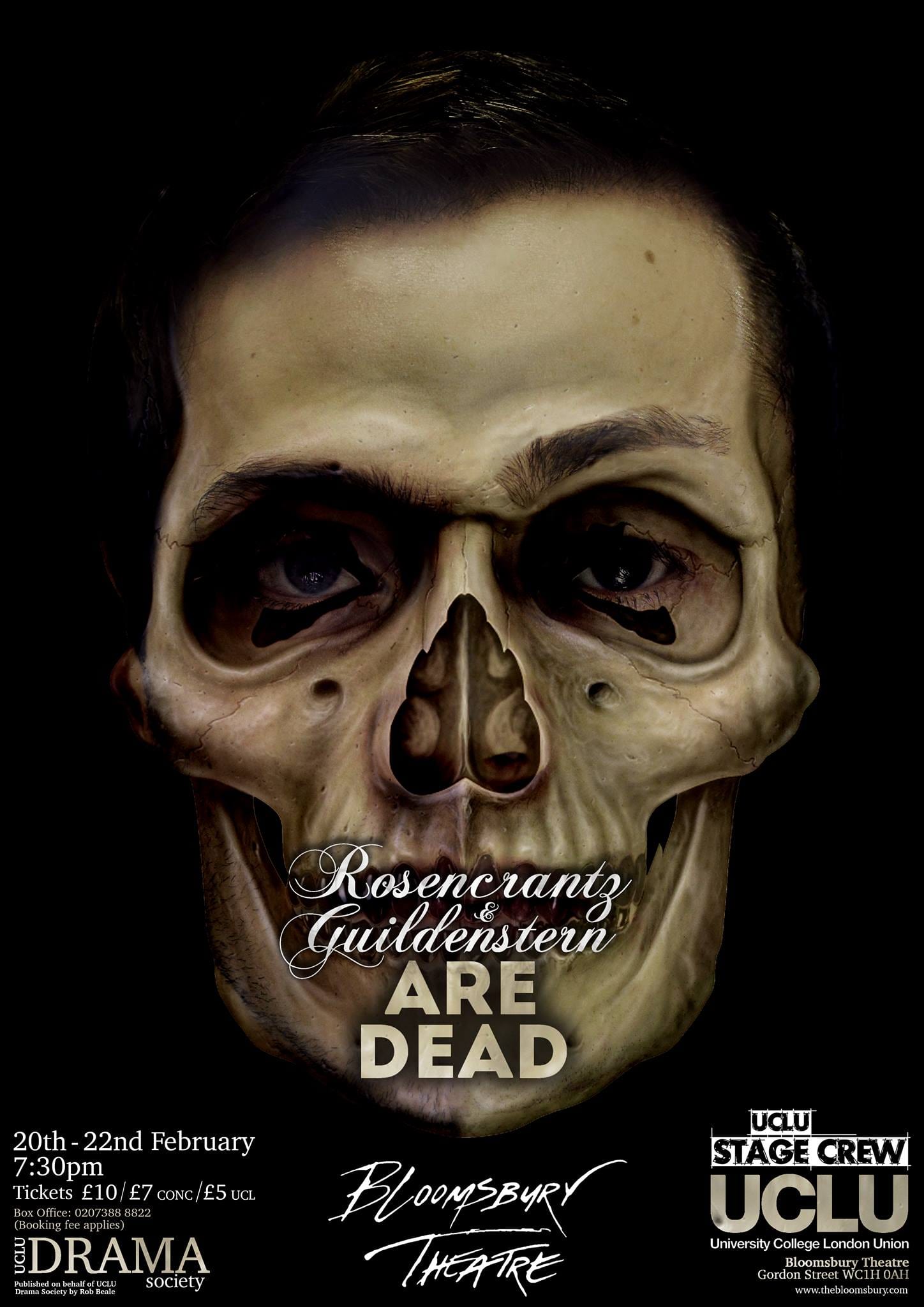
Rosencrantz and Guildenstern are temporarily revived in the Bloomsbury Theatre

By uclektm, on 25 February 2014

UCLU Drama Society poster

UCLU Drama Society poster

It’s complicated, but bear with me. Here are some concentric circles of theatre: Rosencrantz and Guildenstern Are Dead  is a 1966 play by Tom Stoppard. Rosencrantz and Guildenstern are characters from The Tragedy of Hamlet, Prince of Denmark (but you can just call it Hamlet because everyone does) written somewhere between 1599 and 1602, maybe.

From 20 February to 22 February, the UCLU Drama Society performed a production of the play by Stoppard containing the elements of Hamlet as they appear in both original texts, but adapted and modernised to an extent, appearing without full Elizabethan costumes or set.

Amid these elements, the direction of Rob Beale found something that approached a fresh take on representing the void at the heart of the play.  (more…)

China’s self-identity as a modern civilisation

By ucyow3c, on 24 February 2014

pencil-icon

Written by Bobby Xinyue (UCL Greek & Latin)

How can the translation of a single word sum up the cultural history of a nation?

In the inaugural lecture of the Centre for Research into Dynamics of Civilisation (CREDOC) Professor Wang Mingming of Peking University argued that the way in which the word “civilisation” was translated into Chinese and understood in Chinese history is typical of the fluidity of civilisations — the bringing in of the outside.

Thomas Cole, 'The Course of Empire – Destruction' (1836)

Thomas Cole, ‘The Course of Empire – Destruction’ (1836)

Wang Mingming’s illuminating lecture was prefaced by a mission statement from one of the co-directors of CREDOC, Professor Maria Wyke (UCL Greek & Latin), who outlined that the objective of the centre is to bring together colleagues around the world to compare and explore the geographical, material, cultural and ethnic structures of civilisations, and to probe the relationships between all these throughout the history of mankind.

Professor Wang’s lecture, entitled ‘To learn from ancestors or to borrow from the foreigners? China’s self-identity as a modern civilisation’, demonstrated precisely how the centre’s objective could be achieved.

(more…)

The gadfly of Athens

By Ben Stevens H P Stevens, on 20 February 2014

“You are the incarnation of the good life”. As opening gambits go, it’s a sure-fire way to win over an audience and a compelling way to begin a lecture about Socrates.

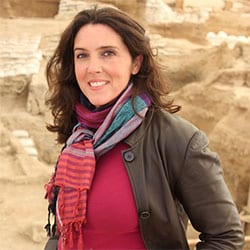
Bettany Hughes

Bettany Hughes

But then, through her extensive TV work, author and historian Bettany Hughes knows all about how to captivate modern audiences with tales from antiquity and her public talk, ‘Athens: the theatre for Socrates’ ideas’, on 13 February was no exception.

The lecture was part of Ancient Plays for Modern Mind – a public engagement programme organised by UCL Greek & Latin, which was certainly doing its job, judging by the large number of eager sixth-form students sat around me.

Hughes began the lecture proper by explaining the meaning behind her “incarnation” comment; that by attending her talk and engaging in face-to-face debate, we were participating in one of the joys of life – at least as far as Socrates was concerned.

Having recently been asked by a journalist why the philosopher is relevant today, she told us that, although she could have supplied them with a book-length answer, her eventual reply was much shorter.

(more…)