Happy? Quagga Day!

By Jack Ashby, on 12 August 2011

extinction in South Africa 1883 Plate CCCXVII in von Schreber, Die Saugethiere in Abildungen Nach der Natur (Erlangen, 1840-1855)

A Quagga

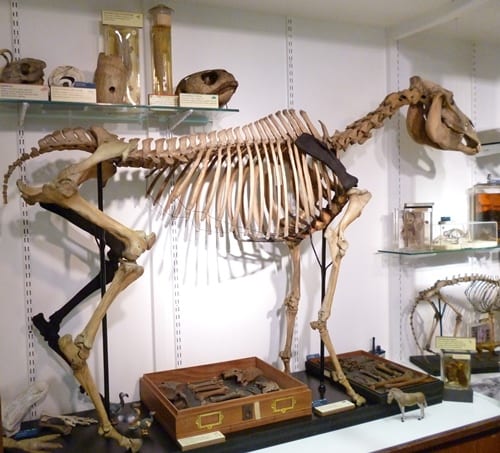
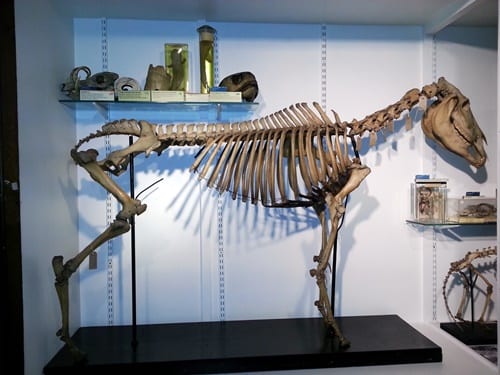
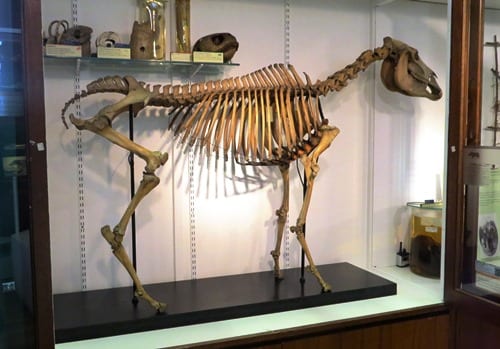
128 years ago today, 12th August 1883, the last quagga died.

And so here I celebrate what we at the Grant Museum, if no-one else, call “Quagga Day”.

How rare it is that the date of the demise of the last individual of a species is known – such opportunities for commemoration should not be missed.

The quagga is no stranger to our blog – this is the third time we’ve written about it since the site was created in January. It is our most blogged about specimen. This is because it is the rarest skeleton in the world (though read our Curator Mark’s post about that claim). The Grant Museum houses one of only seven skeletons in existence. (more…)

Say Hello To My Little Friends

By Mark Carnall, on 1 August 2011

Image of the new models of Quagga, Dodo and Thylacine in the Grant MuseumThese three specimens are the latest addition to the Grant Museum collection. Before the museum moved, model maker Tom Payne came into the museum and asked if there were any models he could make for the museum.  After some discussion we decided that we’d like to have little life models made of three of our highlight specimens, the quagga, thylacine and dodo. We reference these three specimens a lot but unfortunately, to the untrained eye the skeletons look much like a horse, a dog and a box (now two boxes) of bones.  In particular the quagga and thylacine have interesting fur colouration so we wanted to display this and quagga and thylacine skins are in rather short supply these days. (more…)

The Rarest Skeleton in the World?

By Mark Carnall, on 7 March 2011

Biggest, smallest, fastest, slowest, bravest, first, last and most venomous. It is not uncommon to come across animal specimens in natural history museums labelled according to their extreme qualities. Regardless of what Freud might have to say about this seeming obsession, drawing attention to the extremes of nature helps to capture the attention of visitors as well as create spectacle around specimens which are otherwise common. Unlike most other kinds of museums natural history museums tend to display the same kind of stuff. You’re almost guaranteed to see the exoskeleton of a Japanese spider crab, the skull and antlers of a giant deer, a taxidermy echidna and a cast of Archaeopteryx in every single natural history museum. Not only do these specimens helpfully illustrate the wonderful diversity of life but they also demonstrate extremes. The largest arthropod (well, largest leg span), largest antlers, weirdest mammal and ‘first’ bird. For example, the Grant Museum displays one of only seven Quagga skeletons known in the world, earning it the impressive title of rarest skeleton in the world. However, I’ve always had doubts about this claim which I hope to explore more with this post. (more…)